Close to Broadway, SoBro, the Gulch, and the Cumberland River for easy access to live music, dining, and downtown attractions
Staying in Downtown Nashville
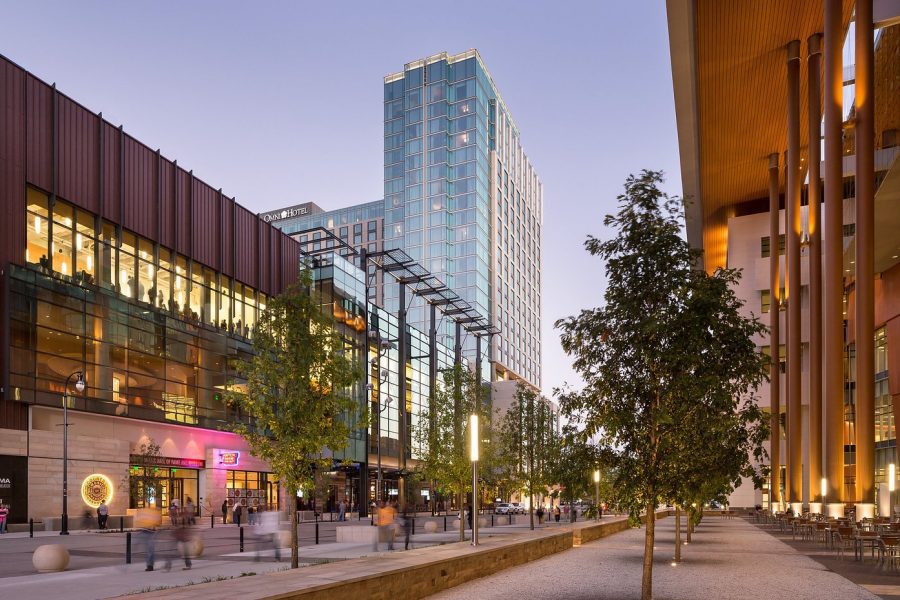
Downtown Nashville is built around Broadway, where live music venues, bars, and restaurants form the city’s main activity corridor. The surrounding streets in SoBro and the Gulch extend this core with modern hotels, dining, and residential development. The Cumberland River runs along the edge of downtown, separating the central district from nearby neighborhoods. Staying here places you directly in the center of Nashville’s music scene, with most entertainment, hotels, and attractions within a compact, highly active area.
Downtown Nashville doesn’t feel like one continuous area — it behaves more like two overlapping zones that change character within a few blocks, especially at night.
The Broadway corridor (roughly between 1st Ave and 5th Ave) is where the city’s energy is concentrated. Live music plays from multiple venues at once, sidewalks stay crowded well into the night, and movement is constant between bars, honky-tonks, and restaurants. On weekends, it can feel like the entire city is compressed into this single stretch.
Just a 2–5 minute walk north or south of Broadway, the atmosphere shifts quickly. Streets become noticeably less crowded, noise levels drop, and hotel zones start to feel more residential and business-oriented. Many visitors don’t realize that staying only a couple of blocks away from Broadway can completely change the experience of the night — from being in the middle of live crowds to returning to a quiet hotel street.
Toward the riverfront and the Gulch-adjacent business edges, the environment becomes more structured and predictable. Hotels in this area are still walkable to Broadway, but the streets feel calmer after 10–11 PM, with less pedestrian flow and fewer late-night stops open directly nearby.
In practical terms, Downtown Nashville is not defined by distance, but by how quickly sound, crowd density, and movement change as you shift a few blocks. For some hotels, you step outside directly into live music; for others, you naturally rely on a short walk or ride to reach the activity zone.
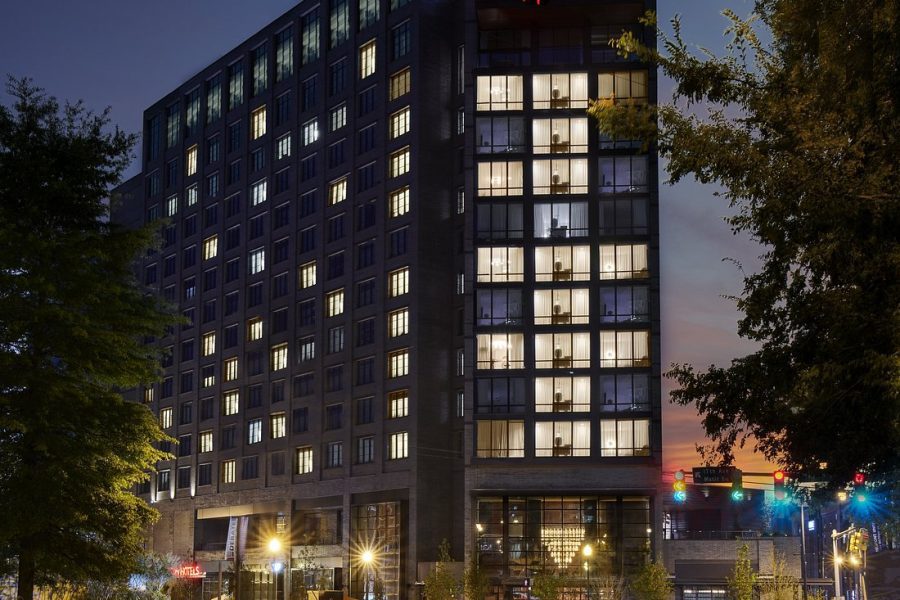
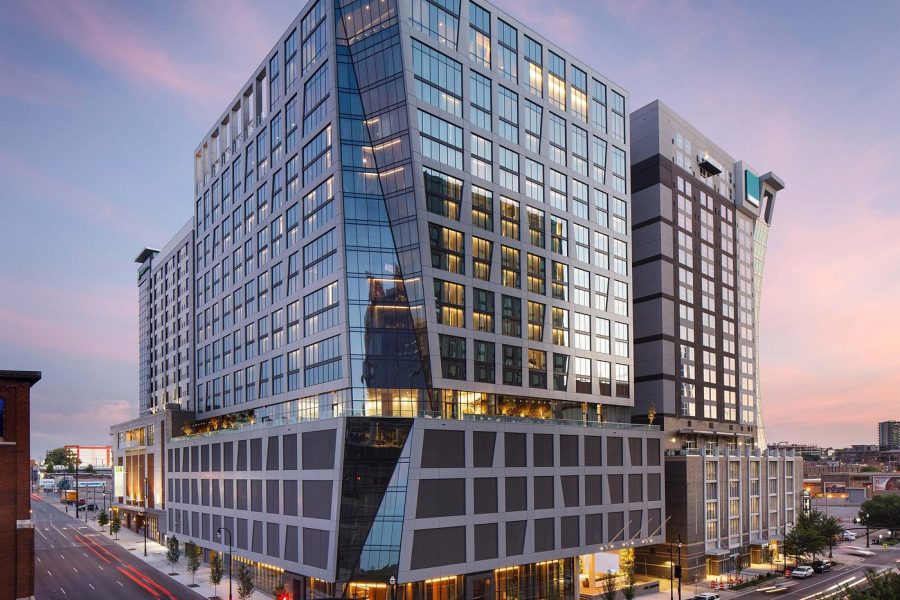
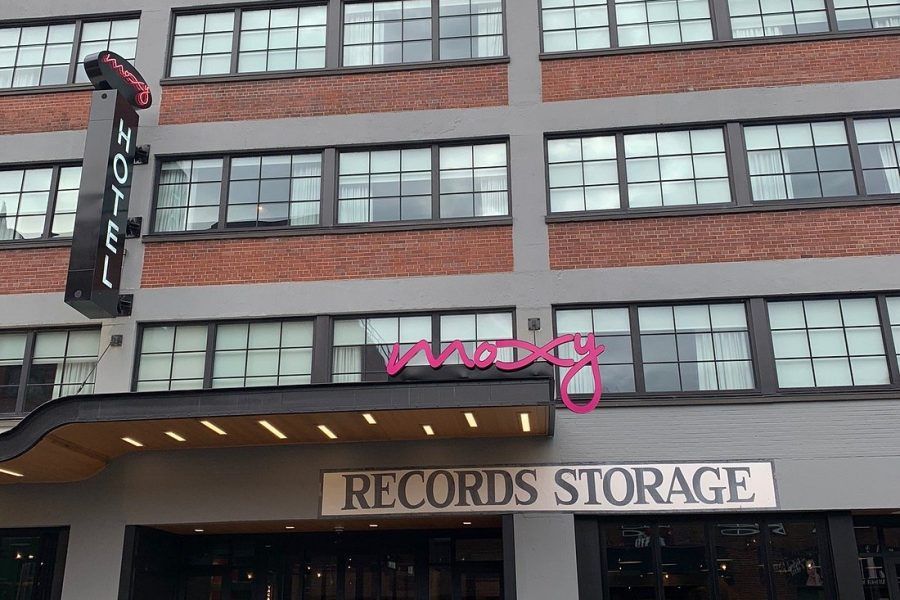
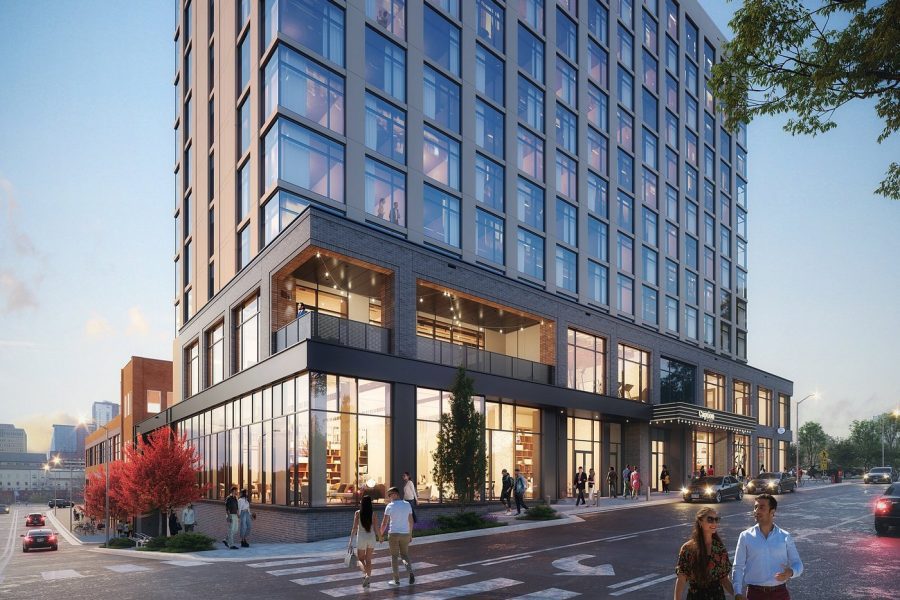
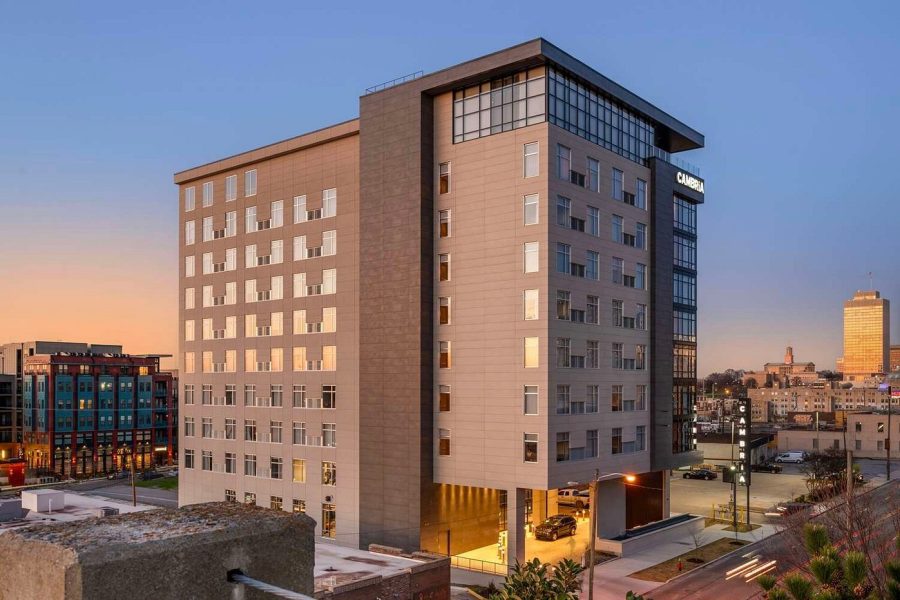
What Downtown Nashville Hotels Actually Look Like in Real Life
Downtown Hotels in Nashville – Frequently Asked Questions
Staying within 1–2 blocks of Broadway puts you directly in the nightlife zone, which means constant music, crowds, and noise late into the night. Even a small shift of a few blocks significantly reduces the intensity while still keeping everything walkable.
It depends on your priorities. If you want to step outside directly into live music and nightlife, it’s ideal. But if you prefer quieter nights or light sleep, even light noise can be a drawback in this area.
Yes, weekends are typically more expensive because of live music tourism and higher demand. Midweek stays can sometimes offer better value even in central locations.
The riverfront side and areas closer to the Gulch edge are noticeably calmer at night. They still offer easy access to Broadway, but without the constant crowd density and noise right outside your hotel.
Because Broadway is a concentrated entertainment strip, and everything around it changes quickly. One street can be loud and crowded, while the next already feels like a standard hotel or business area with much less nighttime activity.
Not necessarily if you stay near Broadway or Printer’s Alley, since everything is walkable. However, hotels slightly further out often make short rides more practical after dinner or late-night outings.
Downtown is better for nightlife and immediate access to Broadway. The Gulch offers newer hotels, more space, and a quieter environment while still being a short ride or walk away.
Choosing a hotel based only on “distance to Broadway” without understanding that even 1–2 blocks can completely change the noise level and overall experience.
Downtown Nashville as a performance space, not a business district
Downtown Nashville is best understood less as a traditional city center and more as a continuous performance space. Unlike business-driven downtowns where activity is shaped by office hours and commuter flows, Nashville’s core is defined by entertainment, live music, and visitor-driven movement patterns.
During the day, the area operates at a relatively moderate pace, with hotels, restaurants, and tour groups shaping most of the activity. As evening approaches, the character of the streets changes significantly. Music venues, bars, and pedestrian corridors become the primary drivers of movement, and the distinction between scheduled performances and informal street music becomes less clear.
Unlike cities where nightlife is distributed across multiple districts, Nashville concentrates its energy into a relatively compact downtown corridor, where walking distance often determines how the experience unfolds rather than transportation.
Staying in Downtown Nashville means being positioned inside this performance cycle rather than near it, with the hotel functioning as a pause point between periods of constant public activity.