Stay between the waterfront, Pike Place Market, and Seattle’s steep downtown streets, where ferries, hills, and neighborhoods quickly change the rhythm.
A Downtown Shaped by Hills, Water, and Distance
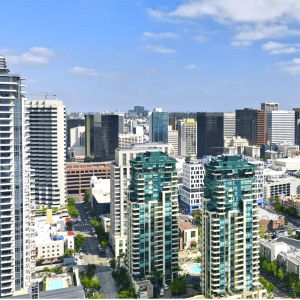
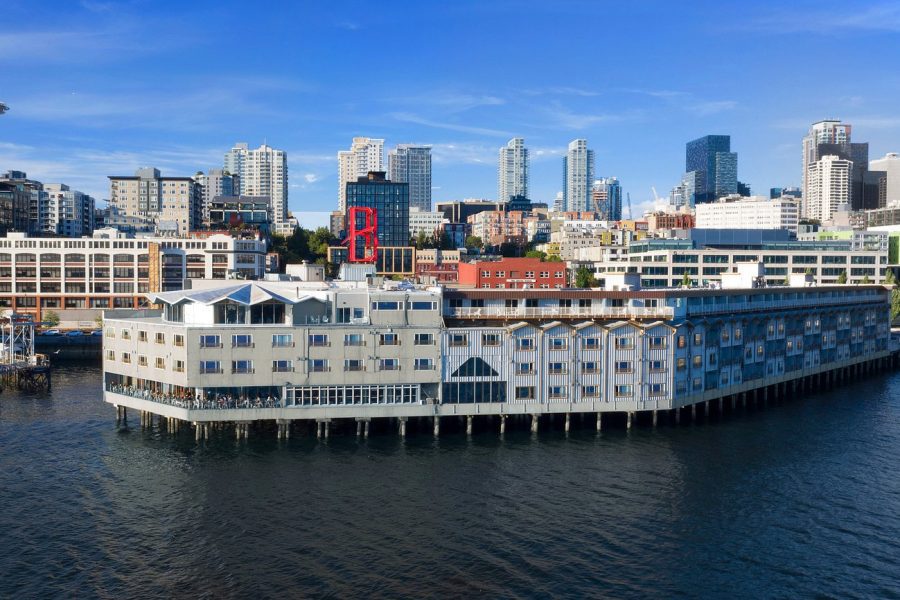
Downtown Seattle feels less concentrated than many U.S. downtowns because the city spreads vertically between the hills and the waterfront instead of around a single central corridor. Moving through the area often means shifting between completely different environments within a few blocks — from the crowded Pike Place Market and ferry terminals near Elliott Bay to the quieter office streets uphill around the Financial District. Belltown adds dense nightlife and apartment towers north of the center, while Pioneer Square introduces older brick buildings, galleries, and a slower historic atmosphere closer to the stadium district. Staying downtown Seattle is shaped as much by elevation and walking routes as by distance itself, especially in a city where the waterfront, transit lines, and skyline are constantly visible from different levels of the streets.
Seattle Isn’t One Downtown — It’s Several Cities Stacked on Top of Each Other
Seattle’s downtown doesn’t feel like a single, unified center. It shifts more in layers than in directions. Down by the waterfront near the Seattle Waterfront, the city is tied to the bay — ferries coming in, crowds moving through Pike Place Market, and a constant sense of motion that never really settles. A stop at places like The Pink Door or a drink at Pike Brewing Company fits naturally into that lower, most active layer of the city.
A few blocks uphill, that energy thins out. The streets turn more orderly, the noise drops, and glass towers start to define the skyline instead of the water. Offices replace foot traffic, and the rhythm becomes slower, almost suspended compared to the shoreline below. Even the nearby nightlife in Belltown, around spots like Cyclops Cafe & Lounge, feels like a different version of the same city rather than a continuation of the waterfront scene.
What makes Seattle different is how quickly that change happens. You don’t really “travel” between neighborhoods here in a traditional sense — you move between elevations, and with each rise or drop in the terrain, the city quietly changes its pace, its sound, and its purpose.
A Look Inside Downtown Seattle Hotels and Their Surroundings
Mistakes People Make When Choosing Downtown Hotels in Seattle
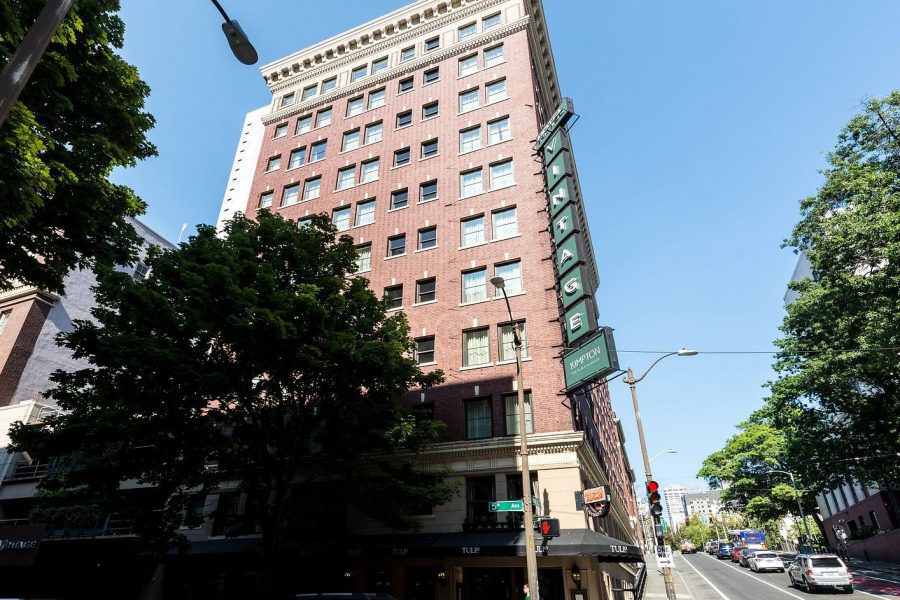
A common mistake when looking at downtown Seattle hotels is assuming the area works like a single, consistent grid where proximity always means similarity. In practice, the city is shaped by steep terrain and uneven transitions, so even a short walk can feel like moving between completely different levels of the city rather than simply changing streets.
There’s a very specific Seattle feeling that catches people off guard — stepping out of a hotel and immediately deciding whether to go uphill or downhill without really thinking about it, and realizing that choice quietly determines what version of downtown you end up in. One direction pulls you toward dense office blocks and quiet evening streets, the other gradually shifts toward more movement, light, and noise without any clear boundary between them.
One side of downtown feels structured around office flow and weekday rhythm, where streets empty quickly after business hours and evenings become almost suspended. Another side carries more continuous activity into the night, with restaurants and pedestrian movement that doesn’t fully break even when the city gets quiet elsewhere.
Belltown adds a different layer entirely — not defined by landmarks or geography, but by persistence of motion, where the streets feel “awake” longer than the surrounding districts. What gets missed most often is that “downtown Seattle” is not a uniform place you enter, but a vertical and directional system where elevation quietly decides the kind of experience you end up having.
Downtown Hotels in Seattle – Frequently Asked Questions
Yes. Maps flatten elevation and street rhythm, so two close hotels can feel completely different once you arrive.
Location matters more than expected, because the surrounding block often shapes the experience more than the hotel itself.
Most of downtown works without one, but movement often depends more on slope and street flow than distance. Walking is common, but not always equally easy in every direction.
No. Even short walks often involve noticeable elevation changes that affect how the area feels and how people naturally move through it.
Not a single street or landmark, but how quickly the atmosphere changes as you move through short distances and different elevations.
Not really. Activity tends to cluster in certain pockets, while nearby streets can feel unexpectedly calm at the same time.
Because downtown isn’t uniform. Some blocks quiet down after work hours, while others stay active longer. The shift happens gradually rather than by clear borders.
That “downtown” doesn’t behave like a single center. The experience changes within a few blocks depending on direction and terrain
Where to Stay in Downtown Seattle (How It Actually Feels)
Choosing a hotel in downtown Seattle often makes more sense when you think about your daily routine rather than the map. What the street feels like when you first step outside usually matters more than the exact address.
In some areas, the day feels structured and contained — mornings move with purpose, and evenings naturally quiet down once work hours end. These stays work best when the hotel is mainly a base you return to between outings. In others, especially toward Belltown, the rhythm stretches later. You leave in the afternoon and easily stay out longer than planned because the streets don’t really settle into silence the same way.
Then there are newer, more open parts of downtown where everything feels slightly more spaced out and less compressed, changing how quickly you decide where to go next. In the end, it’s less about location names and more about the kind of pace you naturally fall into once you’re outside your hotel.
How Seattle’s Downtown Compares to Other West Coast Cities