Hawaii Downtown Hotels

In Hawaii, staying downtown feels different than staying at a beach resort. You’re closer to local streets, small restaurants, harbors, and the rhythm of the islands.

Top Downtown Hotels in Hawaii Worth Considering

Downtown Honolulu feels like a different side of Hawaii that most visitors don’t expect. Around areas like Chinatown, Ala Moana, and the central business district, you’ll find local cafés, busy lunch spots, office crowds, and everyday island routines just a short ride from Waikiki’s beaches. It’s not about resorts here — it’s about how locals actually move through the city.

Best Downtown Hotels in Hawaii for City Stays and Island Access

Because of that mix of city life and island setting, downtown hotels in Hawaii are less about resort isolation and more about being in the middle of everything. From early morning coffee runs to evening walks through busy streets and harbor views, staying downtown puts you into the everyday flow of Honolulu instead of keeping you on the edges of it.

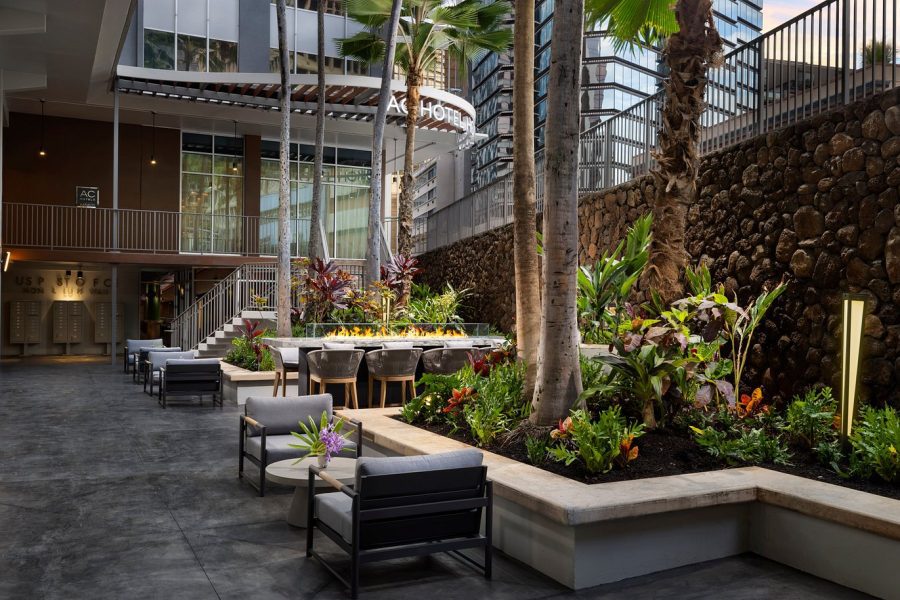
AC by Marriott Hotel Honolulu

1111 Bishop Street, Honolulu, HI 96813, USA

Aston at the Executive Centre Hotel

1088 Bishop Street, Honolulu, HI 96813, USA

Renaissance Residences Oahu Honolulu

1390 Kapiolani Blvd, Honolulu, HI 96814, USA

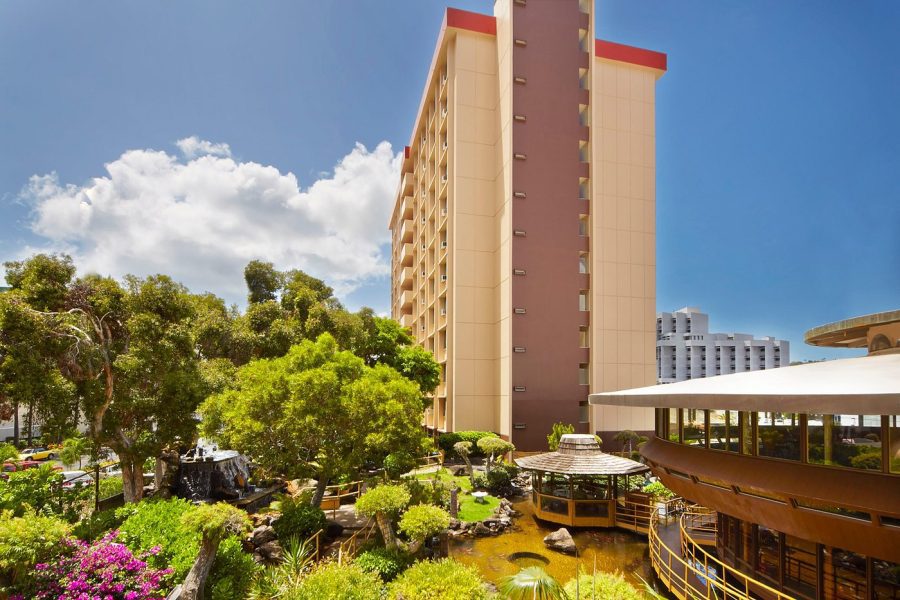
Pagoda Hotel

1525 Rycroft St, Honolulu, HI 96814, USA

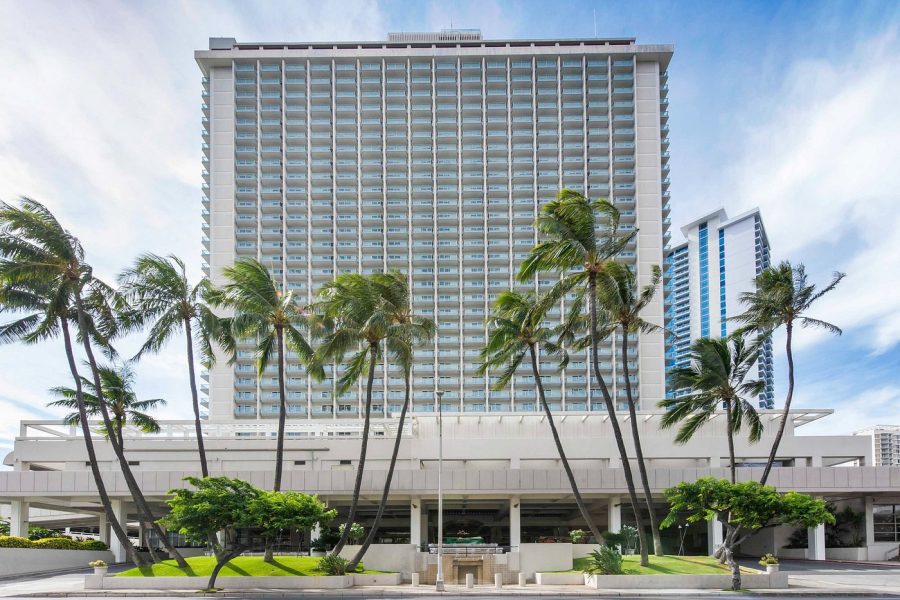
Ala Moana Hotel

410 Atkinson Drive, Honolulu, HI, USA

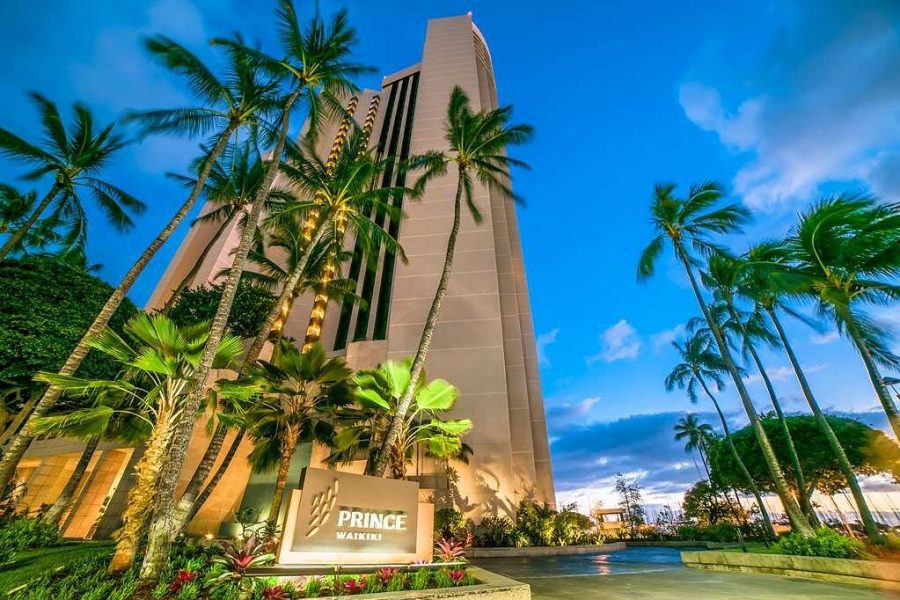
Prince Waikiki

100 Holomoana Street, Honolulu, HI, USA

The Equus

1696 Ala Moana Boulevard, Honolulu, HI 96815, USA

Hilton Vacation Club The Modern Honolulu

1775 Ala Moana Blvd, Honolulu, HI 96815, USA

Ilikai Hotel & Luxury Suites

1777 Ala Moana Blvd, Honolulu, HI 96815, USA

Hawaii’s Urban Coastlines Shaped by Ocean Views and Volcanic Terrain

Island Cities Framed by Ocean Horizons and Volcanic Landscapes

Hawaii’s urban centers offer a perspective that feels entirely different from mainland cities. Here, downtown isn’t just a business district—it’s part of a living island environment where ocean views, historic landmarks, and local culture exist side by side. 

What defines Hawaii’s downtown experience is its natural integration with the surroundings. Instead of separating urban life from nature, these cities embrace it. 

Honolulu – Coastal skyline shaped by culture and global tourism

Honolulu stands as Hawaii’s most dynamic urban center, where downtown streets flow directly into the iconic stretch of Waikiki

Just minutes from the financial district, Waikiki Beach draws visitors year-round, while Diamond Head rises in the background as one of the island’s most recognizable natural landmarks. Cultural depth is found in places like Iolani Palace and the Bishop Museum, both offering insight into Hawaii’s royal history and traditions.

Dining and nightlife are an essential part of the experience. Restaurants such as Duke’s Waikiki and House Without a Key capture the essence of oceanfront dining, while spots like Arnold’s Beach Bar offer a more relaxed, local atmosphere.

Hilo – Rainforest surroundings and a slower urban rhythm

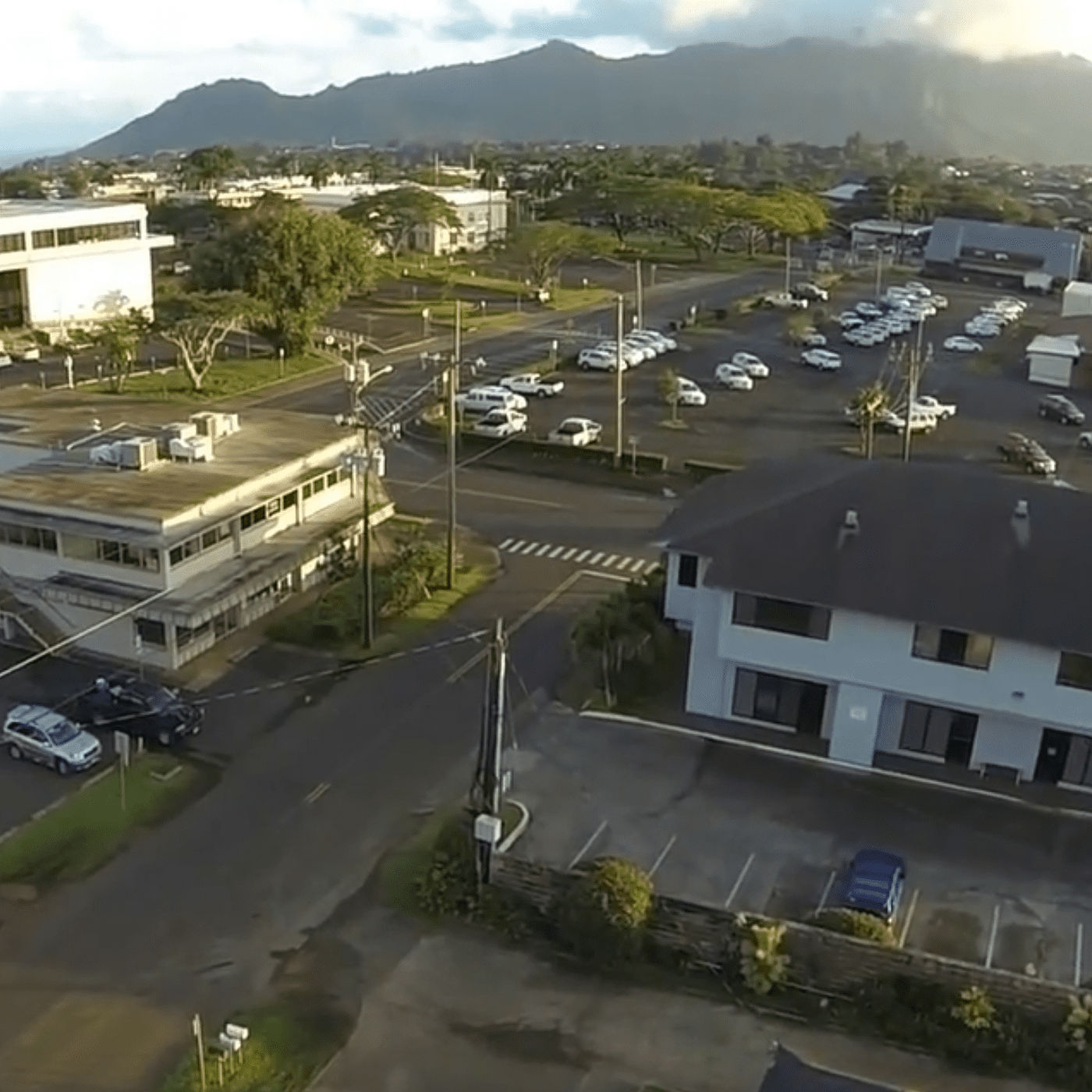
On the eastern side of the Big Island, Hilo presents a quieter, more grounded version of city life. 

Nearby, Hawaii Volcanoes National Park reveals the powerful geological forces that shaped the island, while Liliuokalani Gardens provide a peaceful coastal retreat within the city itself. Historic buildings and local markets add character to Hilo’s streets, preserving a sense of authenticity that defines the area.

The local food scene leans heavily on fresh, regional ingredients. Establishments like Pineapples Island Fresh Cuisine and Hilo Brewing Company highlight the island’s flavors while maintaining a laid-back, welcoming environment. Staying downtown in Hilo means being close to both everyday island life and some of Hawaii’s most dramatic landscapes.

Lahaina – Oceanfront streets shaped by history and art

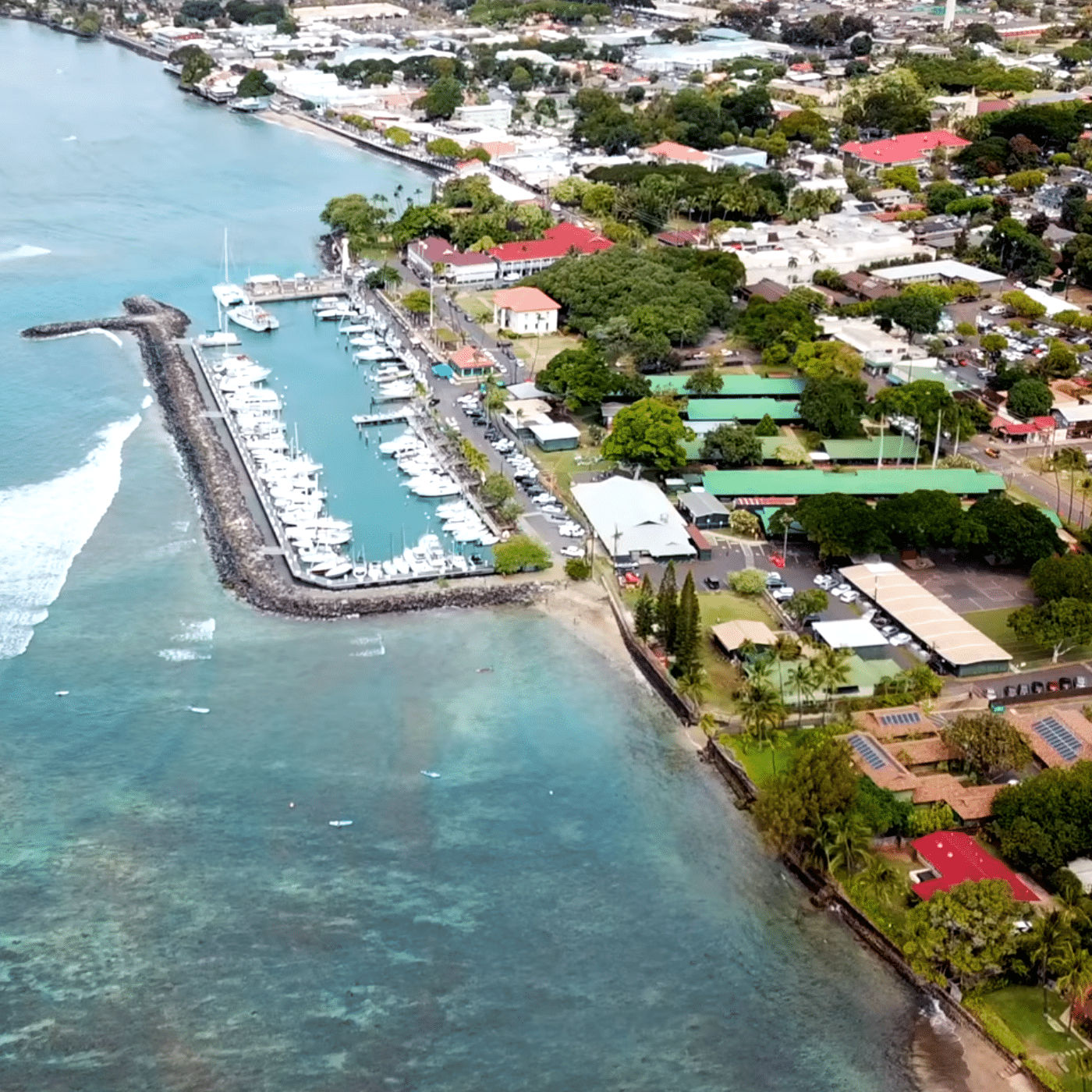
Lahaina, located on Maui, carries a strong historical identity that is still visible throughout its downtown. Once a royal capital, it has evolved into a vibrant coastal town where art, history, and tourism intersect.

At the heart of Front Street stands Banyan Tree Park, a gathering place that reflects the town’s cultural significance. 

Restaurants such as Fleetwood’s on Front St. and Kimo’s Maui contribute to Lahaina’s lively atmosphere, offering both dining and social spaces that extend into the evening. The combination of historic architecture, creative energy, and proximity to beaches makes downtown Lahaina one of the most distinctive urban areas in Hawaii.

Kailua-Kona – Sunlit coastline and everyday island living

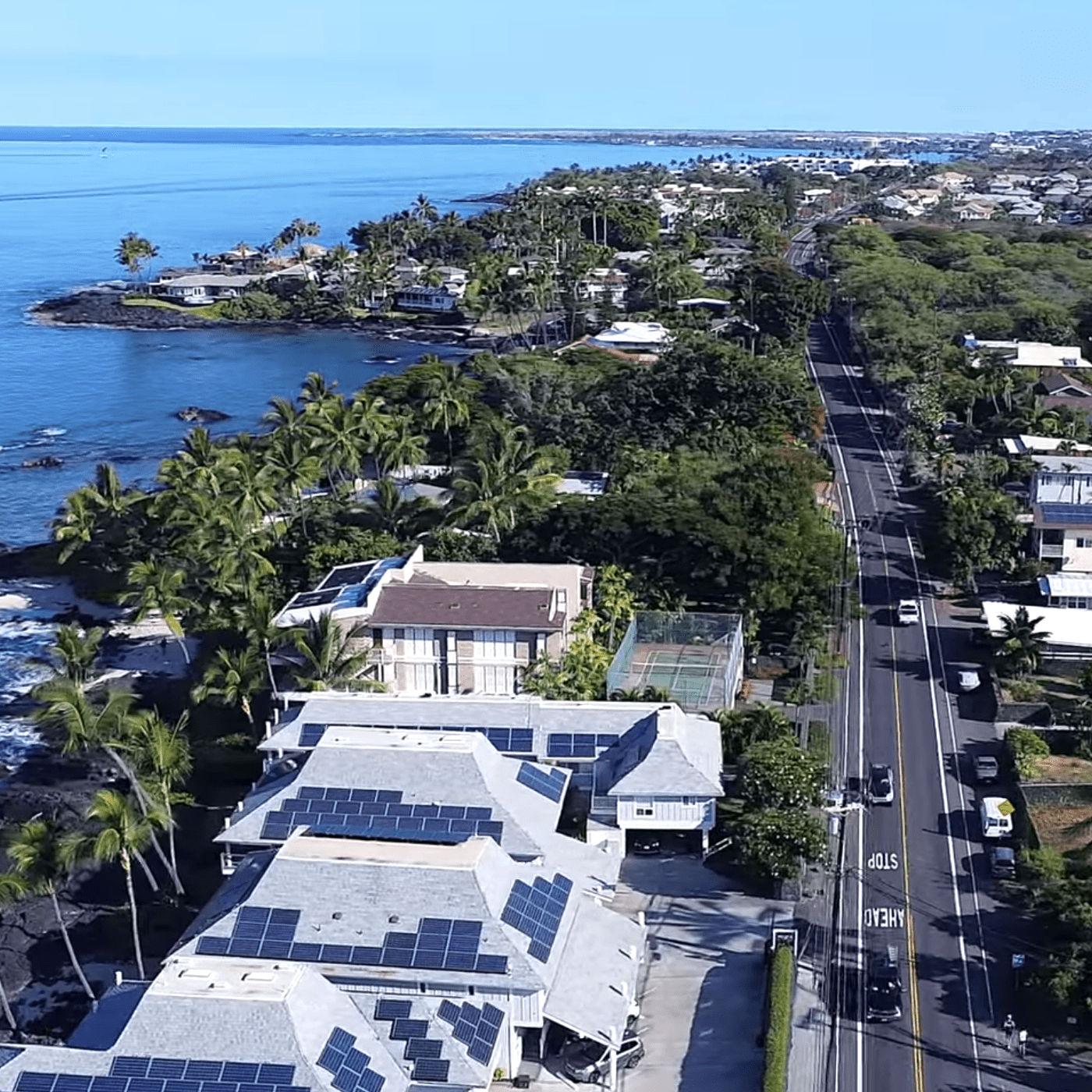
On the western coast of the Big Island, Kailua-Kona offers a downtown experience defined by sunshine, ocean access, and a relaxed pace. Unlike more densely built cities, Kona’s center feels open and closely tied to the shoreline.

Historic sites like Hulihe‘e Palace provide a glimpse into Hawaii’s past, while nearby beaches such as Kamakahonu create easy access to the water directly from the downtown area. The streets are lined with casual restaurants, small shops, and open-air spaces that reflect the region’s climate and lifestyle.

Kona is also known for its coffee culture and local breweries. Places like Kona Brewing Company and Umekes Fish Market Bar & Grill bring together residents and visitors in a setting that feels informal yet vibrant. 

The Advantage of Staying in Hawaii’s Urban Centers

Choosing a downtown hotel in Hawaii means more than convenience—it provides a deeper connection to the islands themselves. These locations place you within walking distance of restaurants, cultural landmarks, and waterfront views, while still keeping natural attractions close at hand.

Each city offers a different perspective. Honolulu delivers energy and global appeal, Hilo emphasizes authenticity and nature, Lahaina blends history with coastal charm, and Kona focuses on simplicity and sunlight.

Downtown Hotels in Hawaii – Frequently Asked Questions

Downtown quiets down earlier than Waikiki, but it doesn’t go empty. Around Chinatown and the business streets you still get late diners, small bars, and people moving between work and home — a more local, lived-in version of the city.

It is. Waikiki is just a short ride away by bus or rideshare, so many people stay downtown and still drift toward the beach when they want it, rather than having it right outside the door.

It’s not loud or centralized like Waikiki. Instead, nightlife is scattered — Chinatown cocktail bars, small music venues, and low-key spots where locals actually hang out after work.

Yes, in a different way than the beach resorts. You’re closer to government buildings, old storefronts, neighborhood eateries, and daily routines that show Honolulu as a working city, not just a vacation backdrop.

It suits travelers who prefer movement over resort isolation — people who like cafés in the morning, walking between neighborhoods, and not being fully inside a tourist zone all day.

Because they want contrast. Mornings in the city, evenings near the water, and a sense that Hawaii isn’t just a resort image — but a real, functioning place with its own rhythm.

Downtown Hawaii Through Popular Culture

Downtown Honolulu rarely shows up as the “main character” in films, but it often works as something more interesting — a quiet backdrop where everyday island life meets Hollywood storytelling.

In Blue Hawaii (1961), starring Elvis Presley, the city appears through early hotel scenes, streets, and tourist spots, capturing a version of Honolulu that’s just starting to shape its modern identity. It’s not fully the Hawaii of postcards yet, but not purely local either — something in between, still forming.

In Pearl Harbor (2001), the tone shifts completely. Downtown Honolulu and its surroundings become part of a much heavier story, where naval bases, the harbor, and city life sit right next to history about to break. The city feels grounded and real here — not cinematic in a glamorous way, but present, lived-in, and vulnerable.

Then in The Descendants (2011), Honolulu feels even more everyday. Offices, hospitals, residential streets — places where nothing is staged for tourists. It’s a version of downtown Hawaii that feels familiar, almost ordinary, and that’s exactly what makes it interesting: life continues here, away from the image of endless beaches and resorts.

Hawaii Compared to the U.S. West Coast States

Discover Your Favorite Downtown Hotels

Latest Travel Stories & Guides

Explore recent travel insights, city guides, and destination stories from major U.S. travel destinations, with practical tips for planning your stay.

World of Coca-Cola in Atlanta: Inside One of the City’s Most Visited Attractions

Located in the heart of Downtown Atlanta, the World of Coca-Cola is one of the city’s most recognizable attractions and a key stop for many visitors exploring the downtown area. It sits just steps away from Centennial Olympic Park and the Georgia Aquarium, making it part of Atlanta’s most concentrated tourist zone. What makes this […]

Hawaii Between Ocean and Memory: The Story Behind Kalaupapa

For more than five years, one of Hawaii’s most remote and emotionally powerful historic sites remained closed to visitors. Hidden on the rugged northern coast of Molokaʻi, Kalaupapa has now quietly reopened, offering extremely limited access through guided tours that reveal one of the most complex chapters in American and Hawaiian history. Unlike typical tourist […]

Salem, OR – A Quiet Capital With a Walkable Downtown Stay Experience

Salem, Oregon may not be as fast-paced as nearby Portland, but it offers a calm and practical downtown experience that appeals to travelers looking for an easy, walkable city break. As the state capital, it blends government buildings, historic streets, riverfront parks, and a steadily growing local dining scene — all within a compact downtown […]