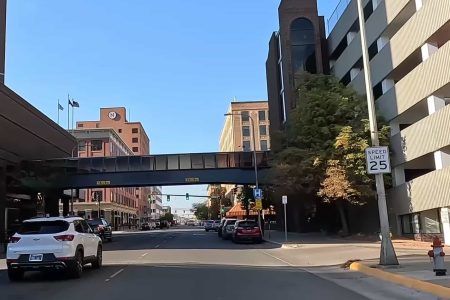
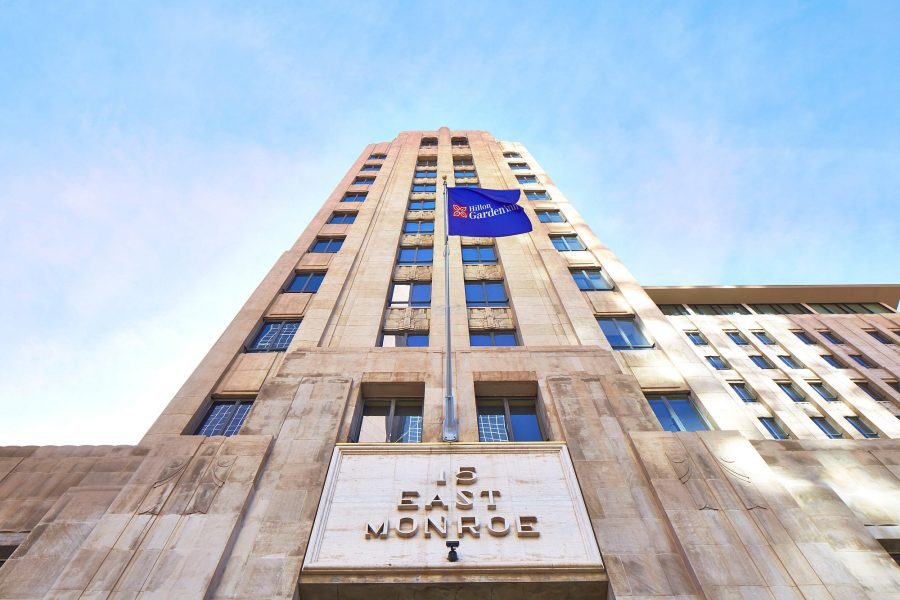
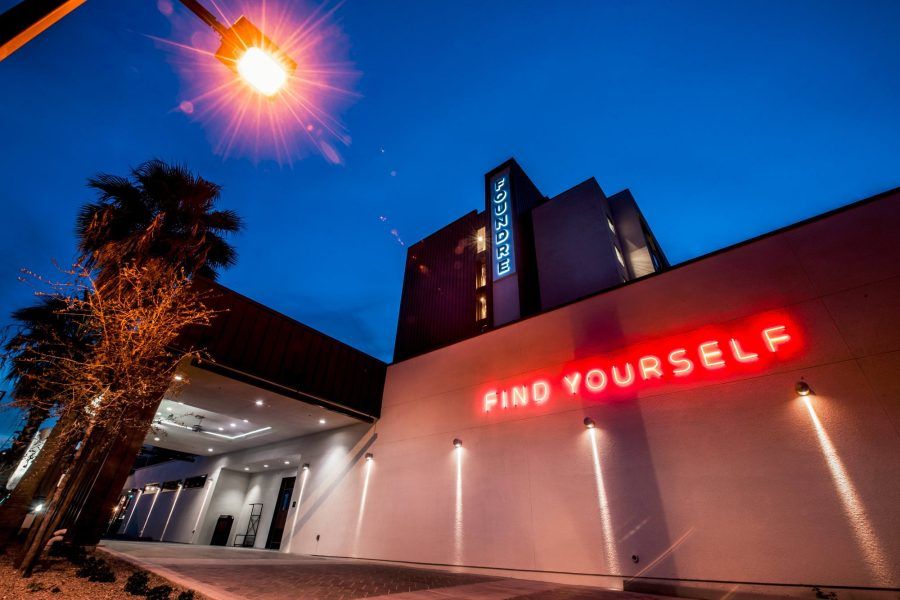
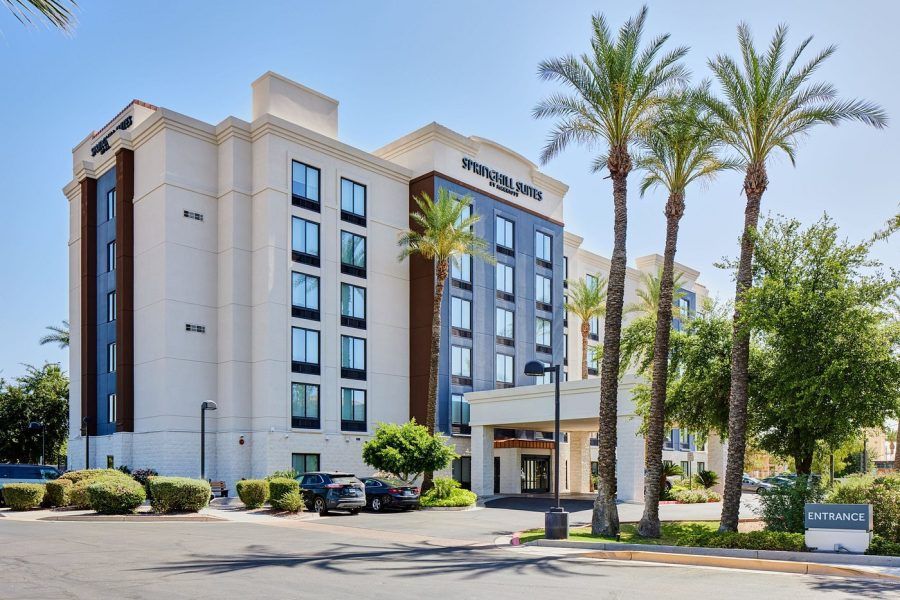
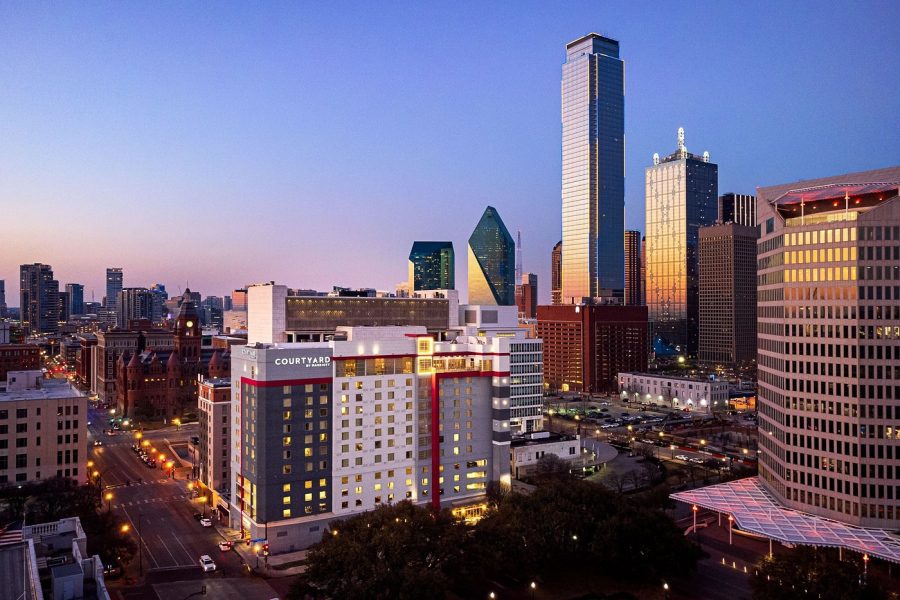
The Southwest USA is best experienced through a downtown stay in its major cities, where culture, business, and urban activity converge within compact city cores surrounded by vast, spread-out metropolitan areas.
The Southwest region of the United States includes Arizona, New Mexico, Oklahoma, and Texas — a region shaped by large-scale urban expansion, strong cultural identity, and rapidly evolving metropolitan centers.
Cities such as Phoenix, Albuquerque, Dallas, Houston, and Oklahoma City represent different versions of the same regional pattern — dense downtown zones surrounded by wide, car-oriented metropolitan areas.
For travelers, downtown hotels are the most direct way to stay inside the active part of each city, close to dining, events, business districts, and cultural landmarks.
The Southwest includes a range of major urban centers where downtown areas function as concentrated zones of activity within much larger and more dispersed cities. Unlike compact coastal cities, urban life here is separated into distinct districts rather than continuous walkable grids.
Below are key destinations for downtown hotel stays: Phoenix, Albuquerque, Dallas, Houston, and Oklahoma City. Each represents a different expression of the same urban structure — from modern business cores to historic and revitalized central districts.
Phoenix combines rapid expansion with a downtown core still actively shaping its long-term identity. Dallas revolves around a stronger corporate and financial center, while Houston spreads activity across multiple urban districts rather than a single dominant core. Albuquerque and Oklahoma City retain smaller downtown areas influenced more by historical continuity and redevelopment than by sheer scale.
Southwest cities are physically large but functionally fragmented. Instead of continuous urban density, they are built around separated districts where downtown represents the only area that operates on a walkable, mixed-use scale.
Outside these cores, cities shift quickly into highways, residential zones, and dispersed commercial strips. This creates a dual structure: low-density expansion on one side, and concentrated urban intensity on the other.
In many Southwest cities, freeway systems and zoning separation influence urban movement more strongly than traditional street-grid density.
Due to long distances between districts, movement in Southwest cities relies heavily on cars and highways. Downtown areas reduce this spatial friction by concentrating hotels, restaurants, and attractions within a smaller, more navigable zone.
This creates a distinct travel experience where staying downtown is less about tradition and more about positioning within the most active part of the city.