Wyoming Downtown Hotels

Wyoming’s downtowns don’t try to compete with the landscape around them. They exist beside it, not against it.

Downtown Wyoming – Small Centers Inside a Very Large State

Wyoming is not a state of big urban statements. Its downtowns are compact, practical, and shaped by necessity rather than expansion. Streets don’t stretch endlessly here — they gather, briefly, and then give way to space.

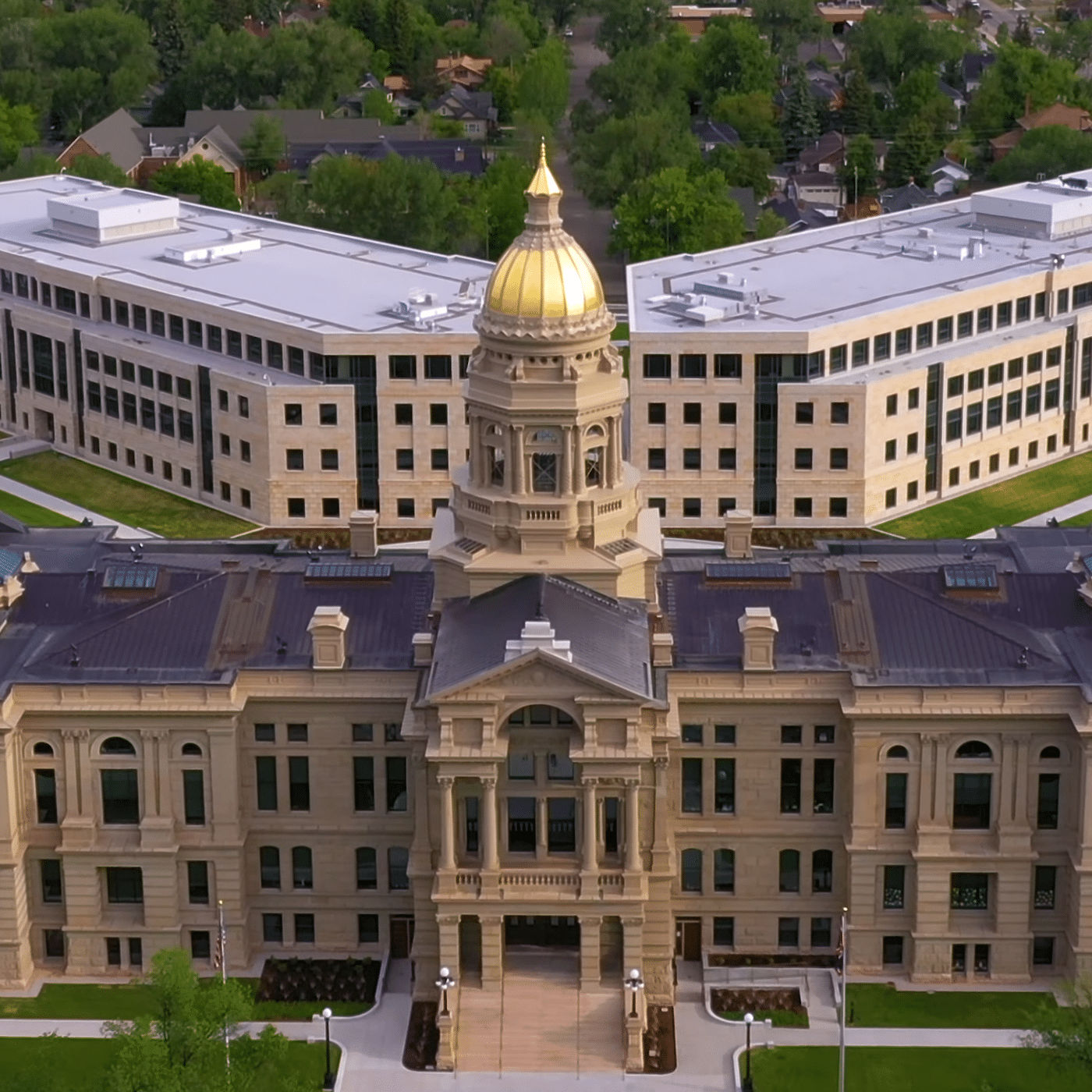
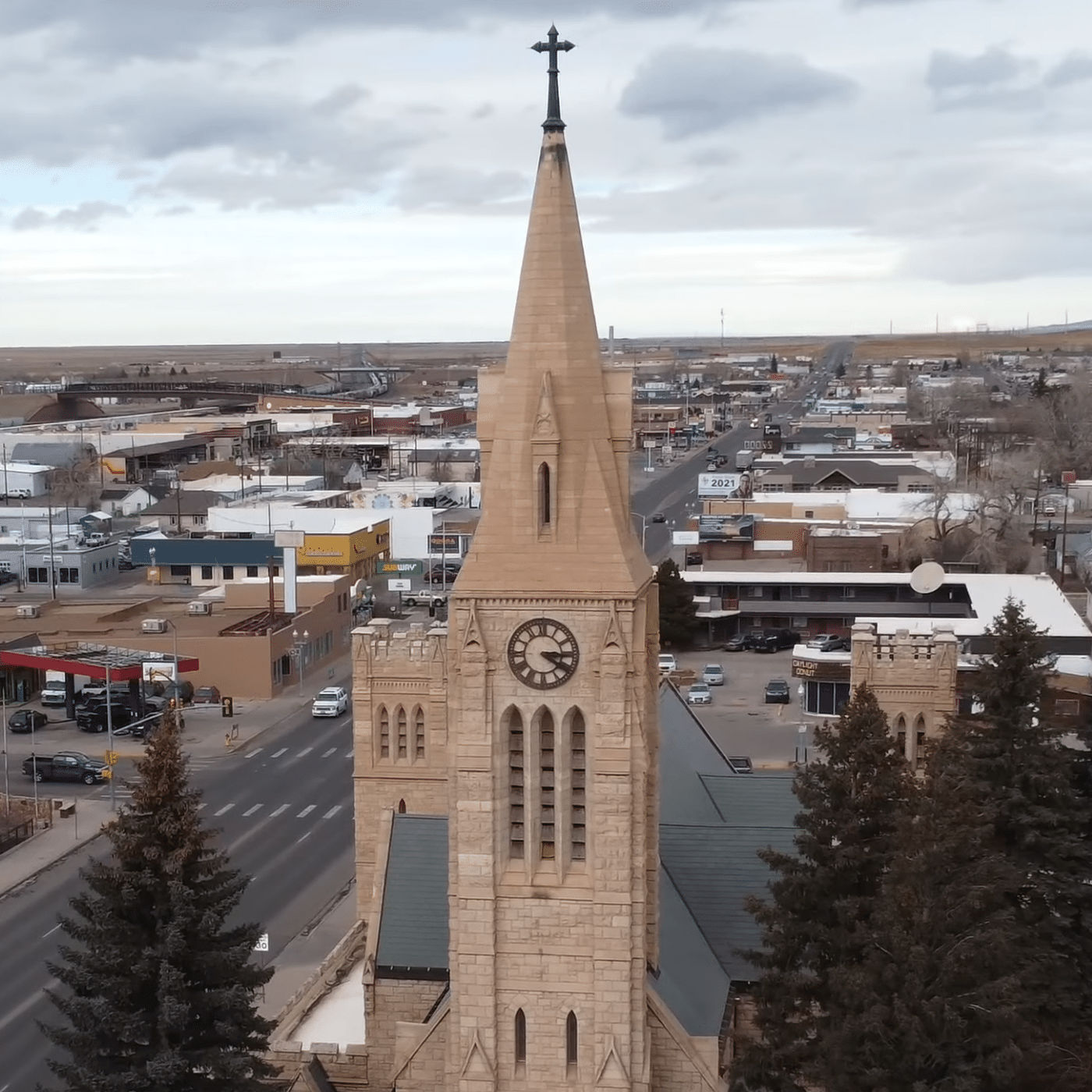
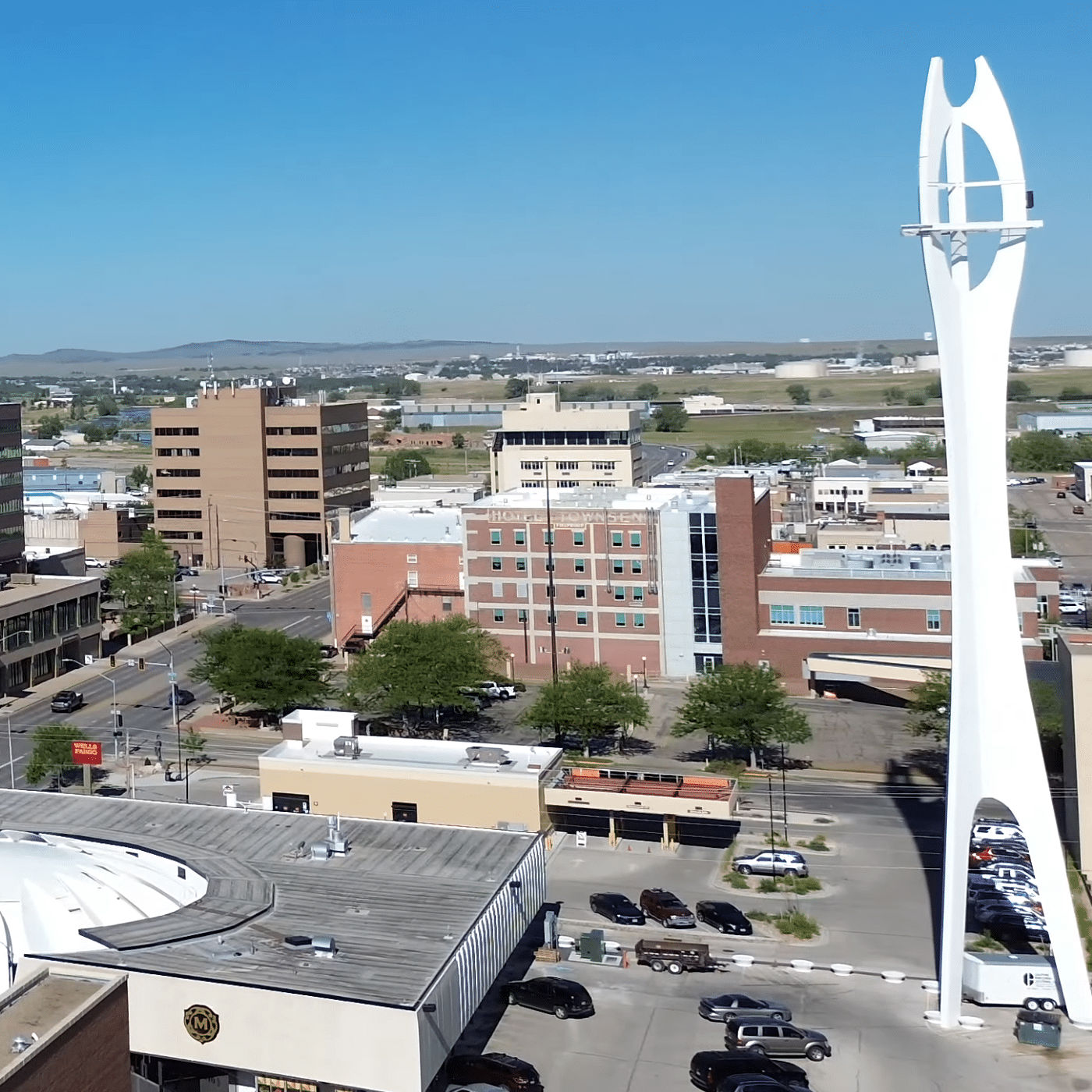
Cheyenne feels like the most defined urban core in the state, but even there the atmosphere is measured. Downtown streets are organized, historic, and walkable, with old government buildings and rail-era architecture giving structure to a city that never feels rushed.

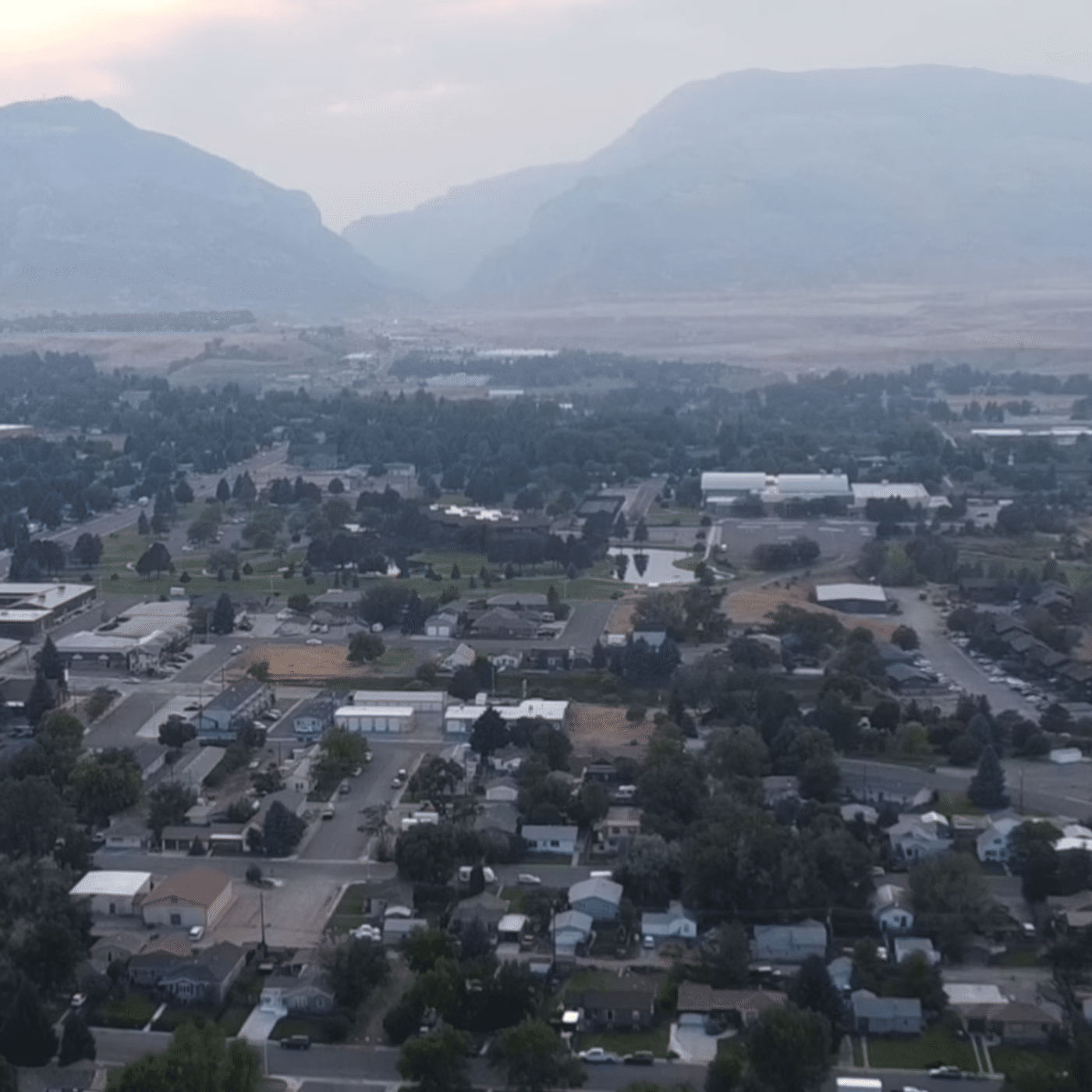
Casper is quieter in tone. Its downtown is not about density but about familiarity. It feels lived-in rather than performed, with local businesses, low-rise blocks, and a rhythm that doesn’t change much from one street to the next.

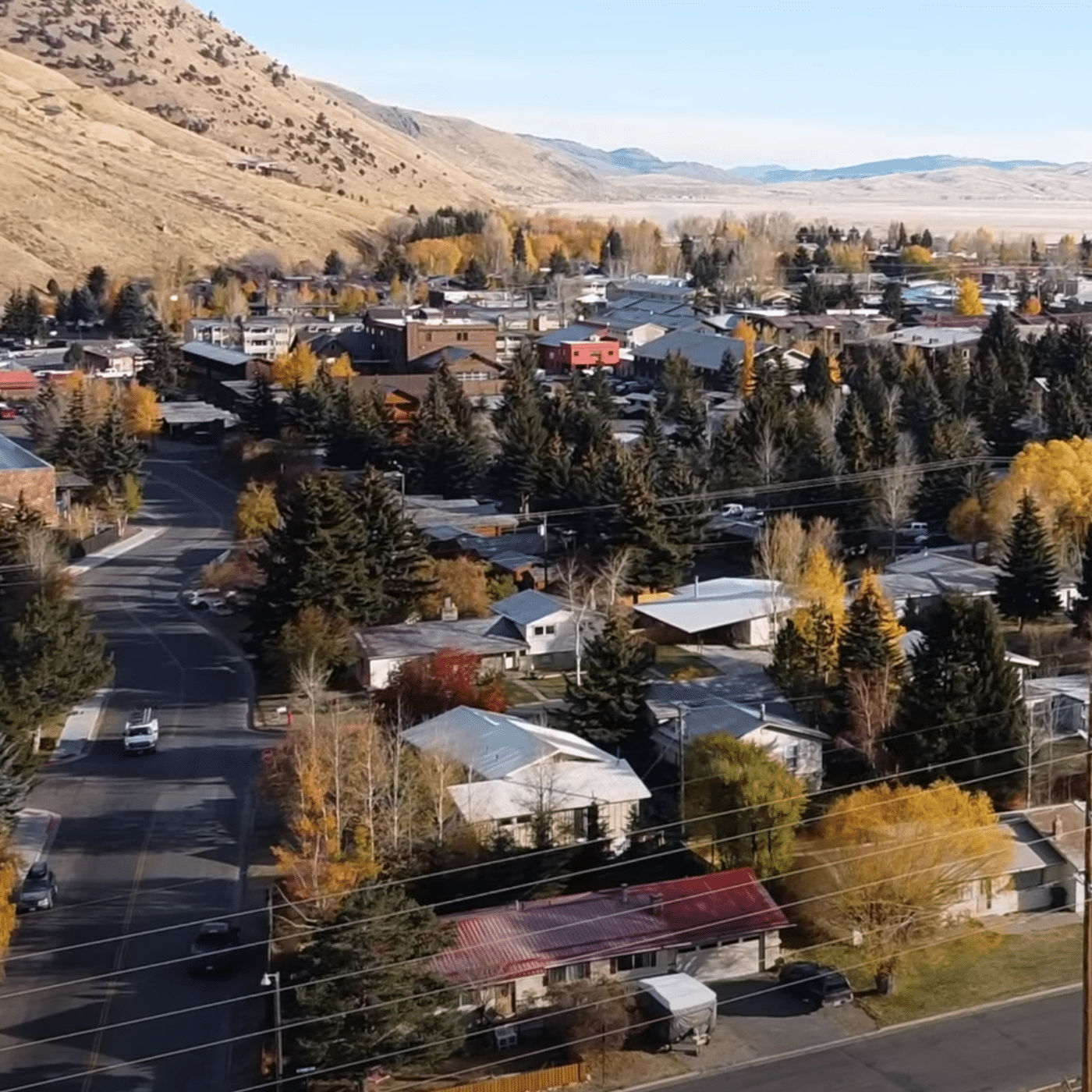
Jackson is the most recognizable name, but even here downtown doesn’t overwhelm. It sits close to something much larger — mountains that feel closer than they should. The town becomes a kind of transition zone between everyday life and national park scale landscapes.

Best Downtown Hotels in Wyoming – Your Perfect Stay Awaits!

A downtown hotel in Wyoming is not about positioning yourself in the center of action. It is about simplicity. You stay downtown because it keeps things within reach — not because it puts you in the middle of intensity.

In Cheyenne, that means staying near historic blocks where government buildings, rail heritage, and local restaurants sit within short walking distance. The pace is steady, almost unchanged by time of day.

In Casper, downtown stays feel like a local base rather than a destination. You move between cafés, small shops, and casual dining spots without needing to plan much in advance. Everything is close, but nothing feels crowded.

In Jackson, downtown hotels sit in a rare balance — small-town streets just minutes away from a landscape that feels too large to belong to any town at all. You step outside and the contrast is immediate: wood sidewalks, galleries, and cafes framed by mountain edges.

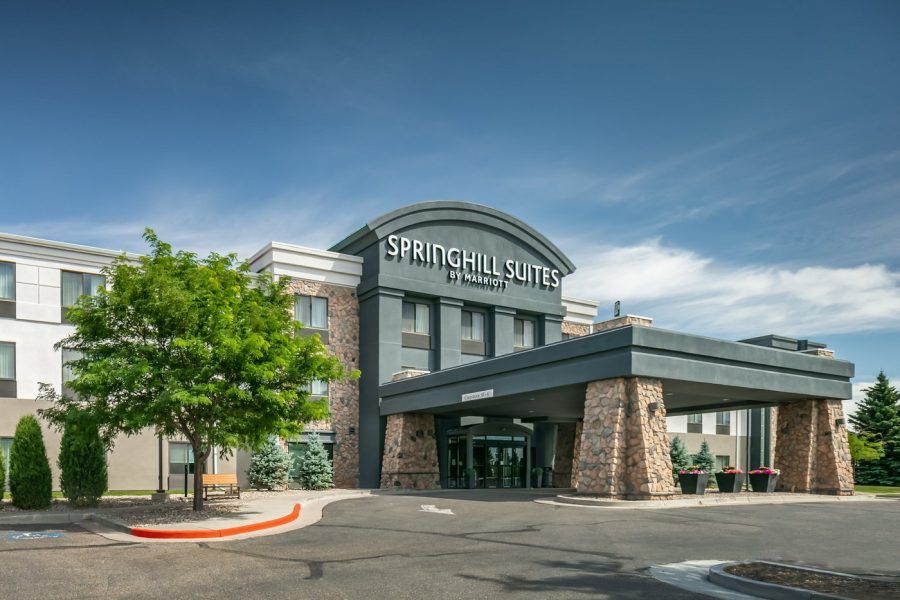
SpringHill Suites by Marriott Cheyenne

West Fox Farm Road, Cheyenne, WY 82007, USA

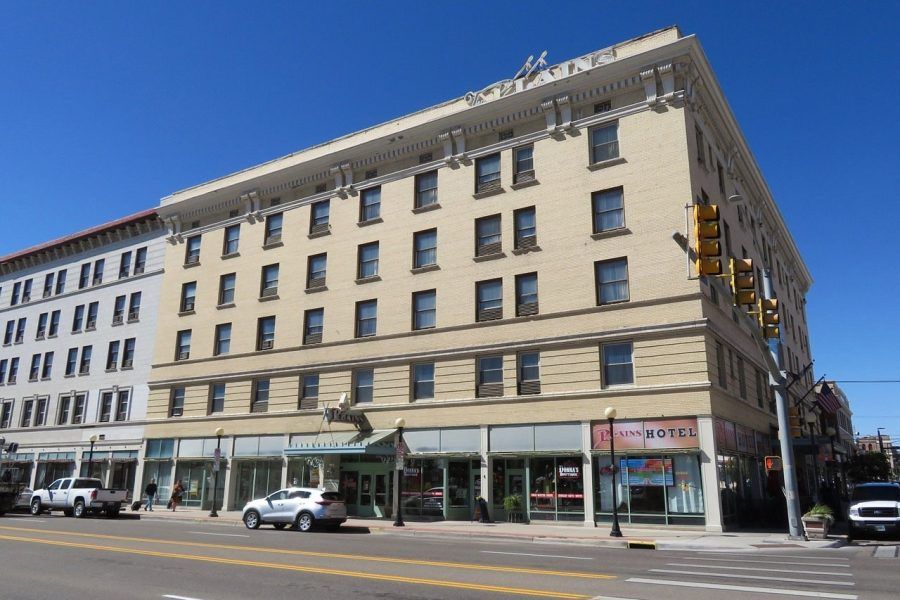
The Historic Plains Hotel

1600 Central Avenue, Cheyenne, WY, USA

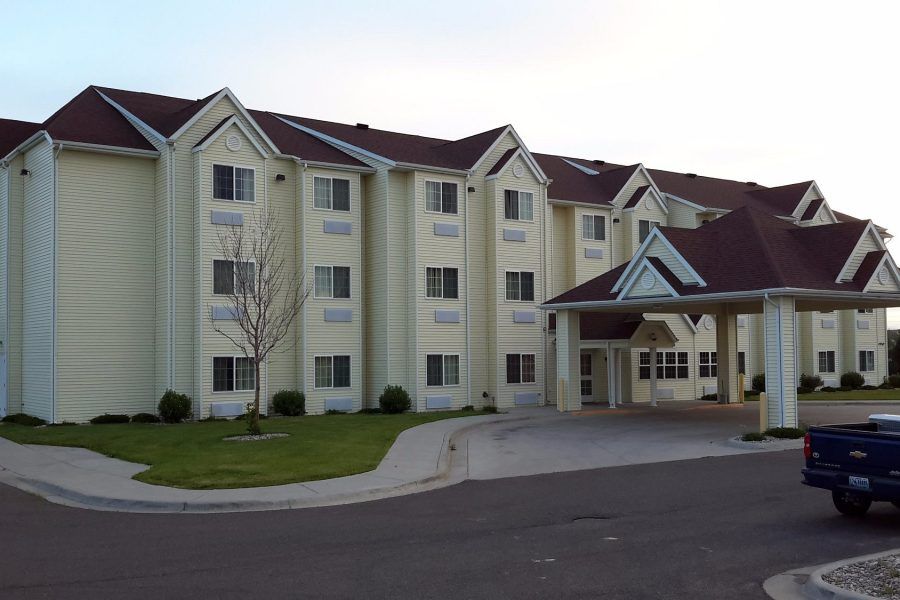
Microtel Inn & Suites by Wyndham Cheyenne

1400 West Lincolnway, Cheyenne, WY 82001, USA

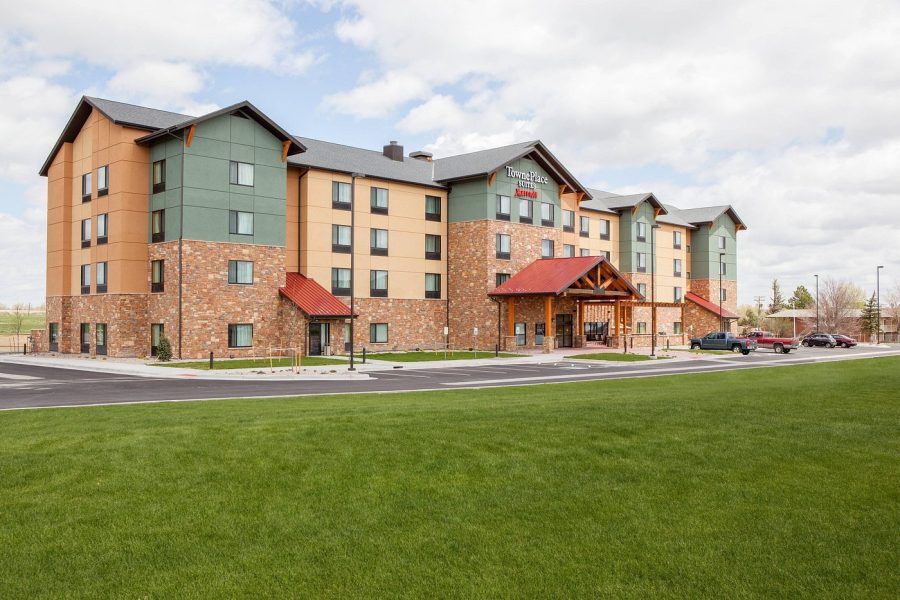
TownePlace Suites Cheyenne Southwest/Downtown Area

1710 West Lincolnway, Cheyenne, WY 82001, USA

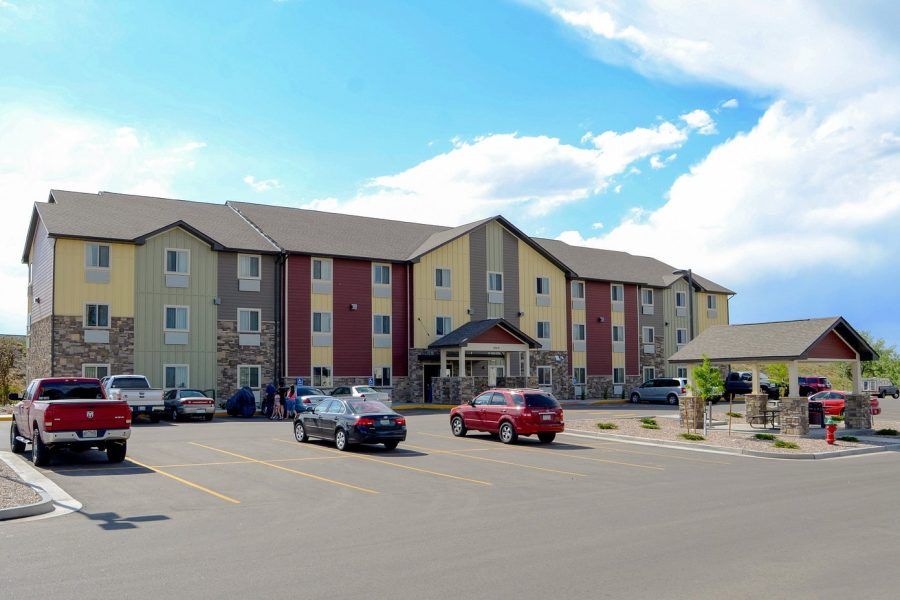
My Place Hotel-Cheyenne

1920 West Lincolnway, Cheyenne, WY, USA

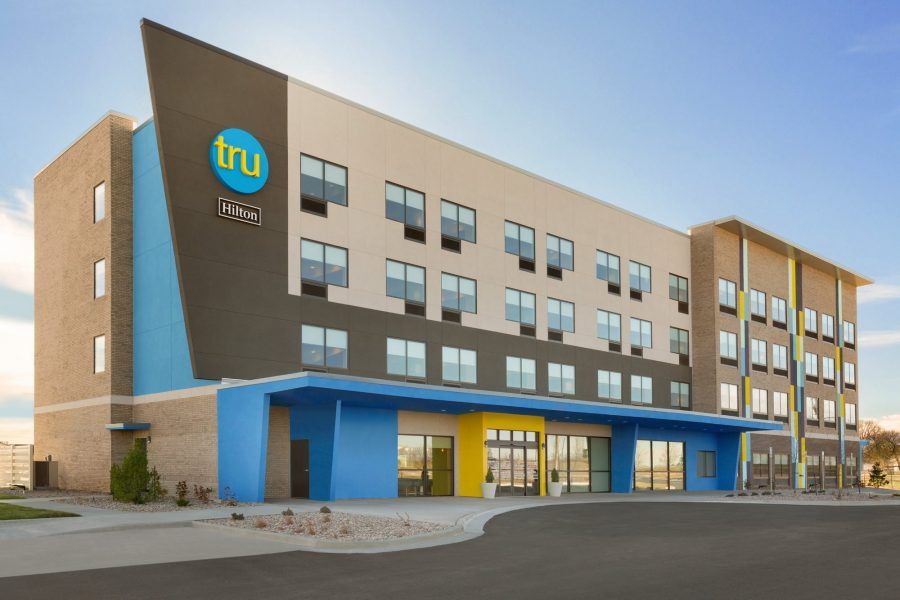
Tru by Hilton Cheyenne

423 West Fox Farm Road, Cheyenne, WY 82007, USA

Exploring Downtowns Across Wyoming

Cheyenne’s downtown is the most historically defined. Around Capitol Avenue, old brick buildings and civic structures create a sense of continuity rather than change. Restaurants and cafés are not far apart, and everything feels arranged in a straightforward grid that still reflects the city’s rail-era past.

Casper’s downtown is more understated. It doesn’t rely on landmarks as much as routine. Local cafés, small bars, and independent shops create a rhythm that feels stable rather than evolving. It’s the kind of downtown you understand quickly and then move through without needing to decode it.

Jackson is different in one key way: its downtown is always in conversation with what surrounds it. Art galleries, western-style storefronts, and restaurants sit only minutes from landscapes that dominate the horizon. It feels like a town that briefly gathers people before they spread back out into nature.

Across Wyoming, downtown is not a destination in itself. It is a point of contact — between people, routines, and a landscape that never really steps out of view.

Downtown Hotels in Wyoming – Frequently Asked Questions

Cheyenne feels structured and calm, with a clear historic grid and government buildings shaping the center. Jackson, on the other hand, feels like a small town sitting right next to a much larger natural environment, where downtown life is only a few minutes away from open mountain landscapes.

Yes, but not in a dense-city way. You can walk between hotels, cafés, and restaurants easily, but the experience is more about short distances and open streets rather than continuous urban activity.

It’s both, but nature always wins visually. Downtown exists as a functional core, but most visitors constantly feel how close they are to landscapes outside the town.

Because downtown is often the simplest anchor point. It keeps you close to dining, basic services, and local activity without needing to drive long distances between places.

Most of the time they feel steady rather than busy. There are active hours, especially around lunch and early evening, but rarely the kind of constant intensity you see in larger states.

It usually feels simple and unhurried. Downtown areas are small and easy to move through, so a hotel there becomes a practical base rather than the center of constant activity. You have cafés, restaurants, and basic services close by, but the pace stays calm. In places like Jackson or Cheyenne, that calm is always paired with the feeling that larger landscapes are just a few minutes away, which quietly shapes the whole experience.

Wyoming Downtowns in Pop Culture: Places Between Silence and Scale

Wyoming rarely appears in pop culture as a primary urban setting. Instead, it is often shown as a place of passage — highways, small towns, motels, and brief downtown scenes that connect larger narrative moments. It functions more as transition space than destination.

In Brokeback Mountain (2005), Wyoming is represented through isolation and distance. Small towns appear briefly between vast open landscapes, emphasizing emotional separation rather than urban life.

In Quentin Tarantino’s The Hateful Eight (2015), the focus shifts to enclosed interior spaces like Minnie’s Haberdashery. These locations replace the idea of a traditional downtown and become contained environments where the story unfolds.

In Western films such as Clint Eastwood’s Unforgiven (1992), small towns act as temporary stops where characters briefly reconnect with society before returning to the wilderness.

In literature, Annie Proulx’s Close Range captures a similar idea, showing settlements as fragile points within a much larger and indifferent landscape.

Because of this, Wyoming’s downtowns rarely serve as central cultural symbols. They function instead as practical spaces for brief stops, conversations, and transitions before the story moves on.

How Wyoming Compares to Other Rocky Mountain States

Discover Your Favorite Downtown Hotels

Latest Stories, Tips & Downtown Guides

How the Railroad Built Downtown Billings and Created Montana’s “Magic City”

Long before Downtown Billings became a place for restaurants, breweries, museums, and hotels, it was a bet on a railroad. The city grew so quickly that people began calling it the “Magic City.” There is a moment in the history of many American cities when geography stops being destiny. A place that had been little […]

Why Some U.S. Downtowns Feel Alive — While Others Empty Out After Work Hours

Across the United States, downtown areas are going through a quiet transformation. A recent study by the Gensler Research Institute shows that while most residents still describe their city centers in positive terms, far fewer actually spend significant time there. The gap between how people feel about downtown and how they use it is becoming […]

Midtown Manhattan: The New York Most People Imagine

Ask someone who has never been to New York to picture the city, and chances are they will describe Midtown Manhattan. They will talk about the giant illuminated screens of Times Square, the yellow taxis weaving through traffic, the endless rows of skyscrapers, and the crowds moving with purpose along the sidewalks. Whether they realize […]