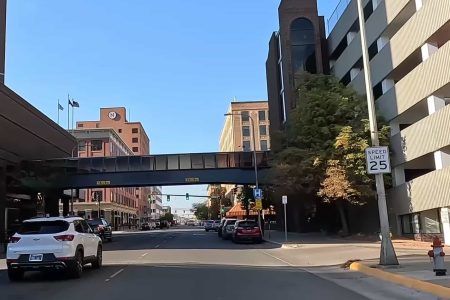
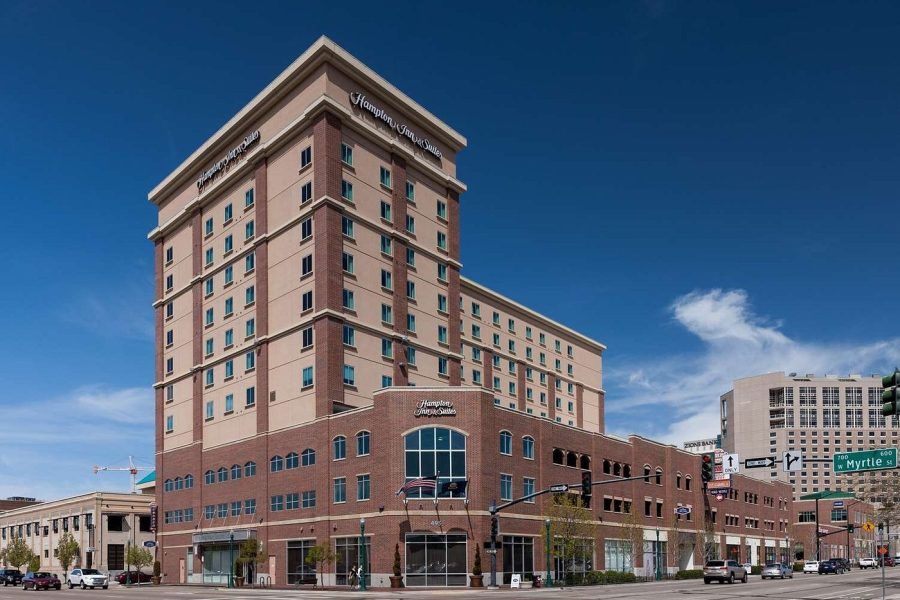
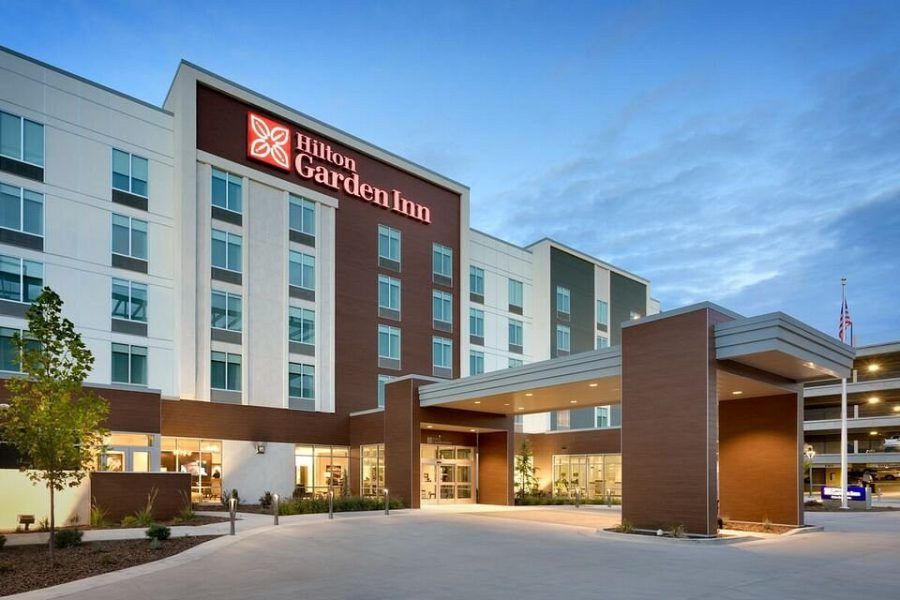
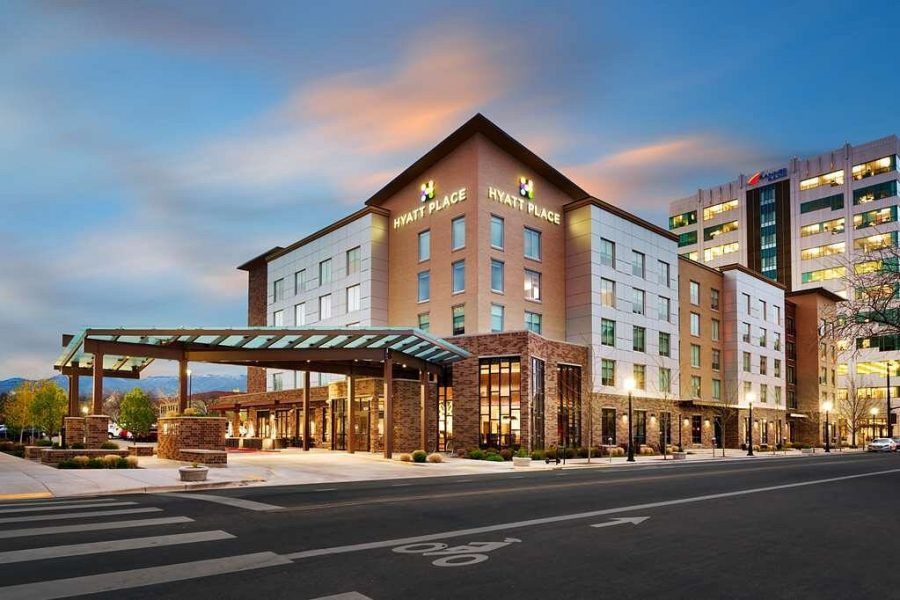
Idaho is defined by several very different downtowns, each shaped by the landscape around it and the people who live there.
Idaho’s downtowns are not built around a single identity. Some grew beside rivers, others around universities, railroads, or mountain gateways — creating city centers that feel connected to both local life and the landscapes beyond them. Instead, each developed around its own purpose. Boise expanded into the state’s political and cultural center. Coeur d’Alene grew beside one of America’s most recognizable lakes. Idaho Falls grew around the Snake River, turning water and public spaces into part of the city’s downtown identity.
Because of that, downtown Idaho never feels repetitive. Every city offers a different balance between local life, outdoor recreation and regional history.
Unlike many western states where downtown serves mostly tourists, Idaho’s centers remain places people actually use every day. Coffee shops fill early in the morning, restaurants stay busy after work, and local businesses continue to define streets that have avoided becoming generic commercial corridors.
Choosing a downtown hotel in Idaho depends less on nightlife and more on the kind of trip you’re planning.
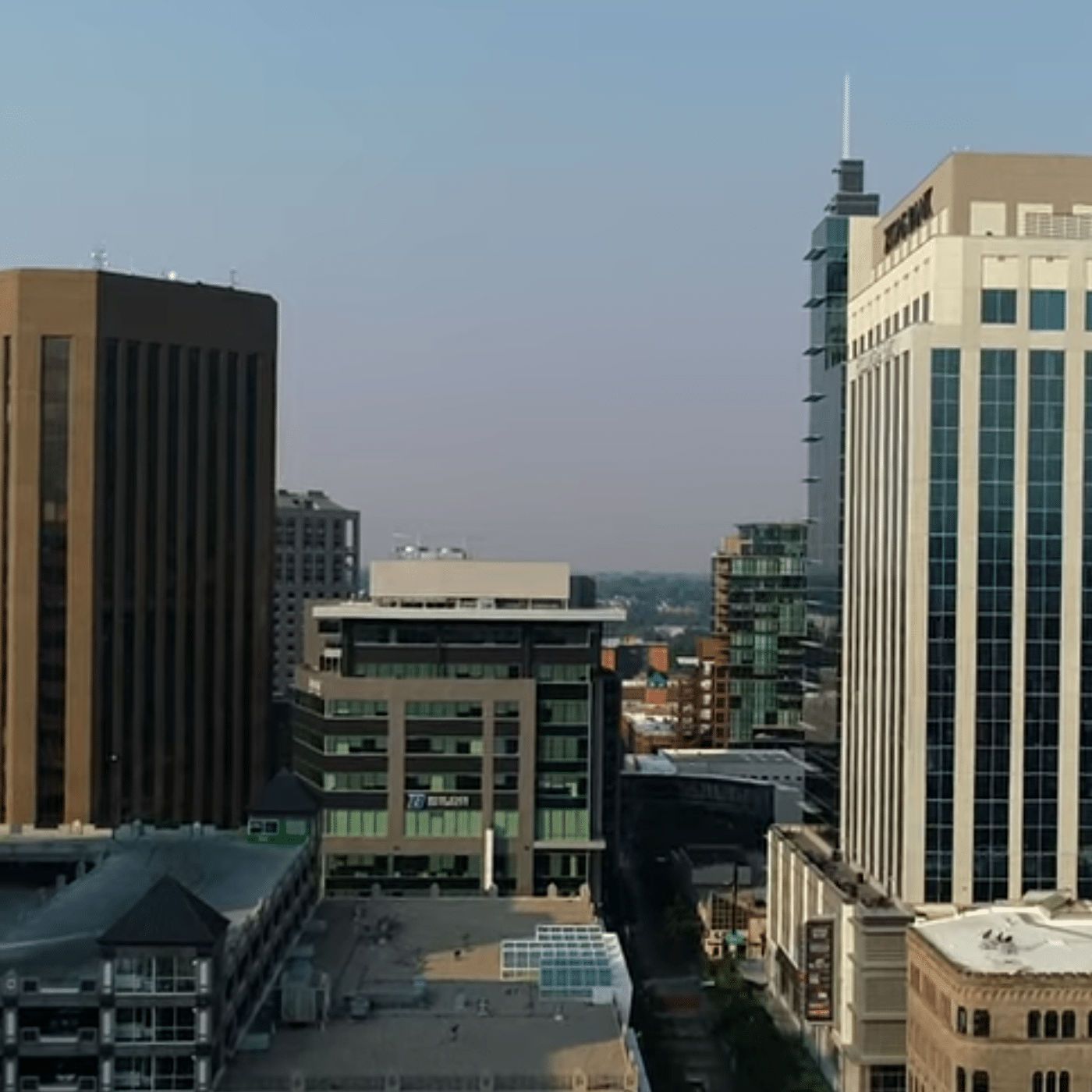
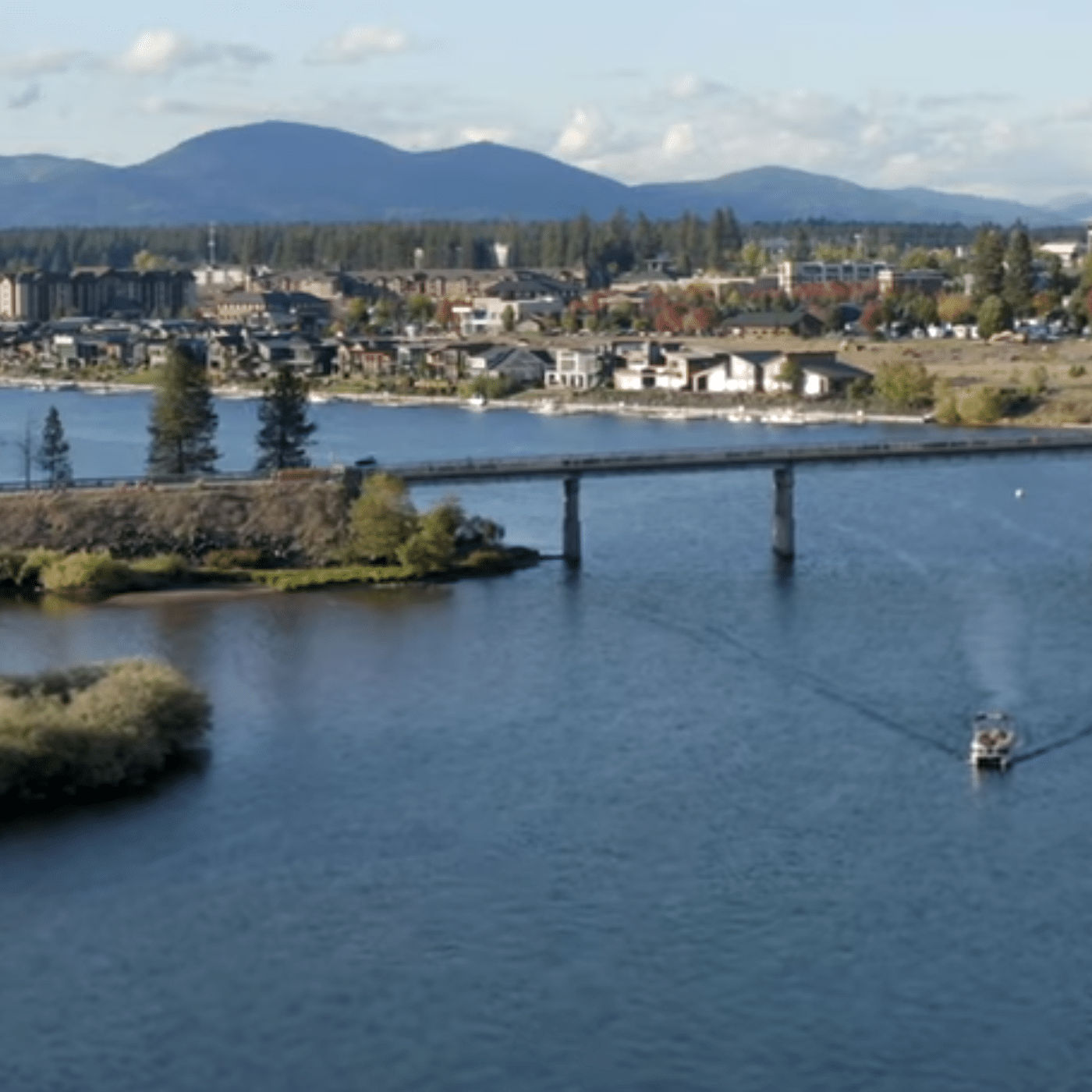
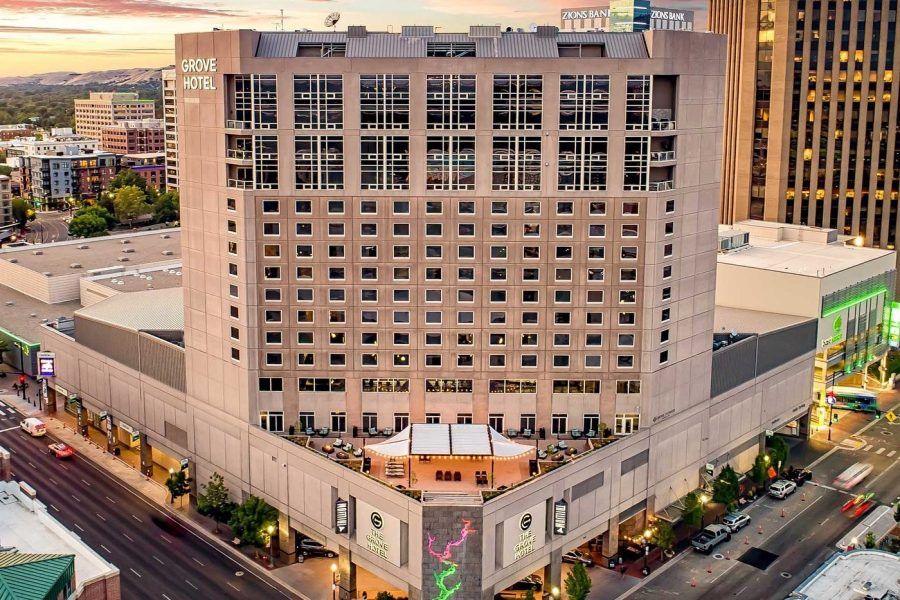
Boise offers the state’s most complete urban experience, where hotels place visitors within walking distance of restaurants, museums, breweries and the Boise River Greenbelt. Coeur d’Alene blends downtown streets with waterfront views, allowing visitors to move easily between local boutiques, cafés and the lake itself without relying on a car.
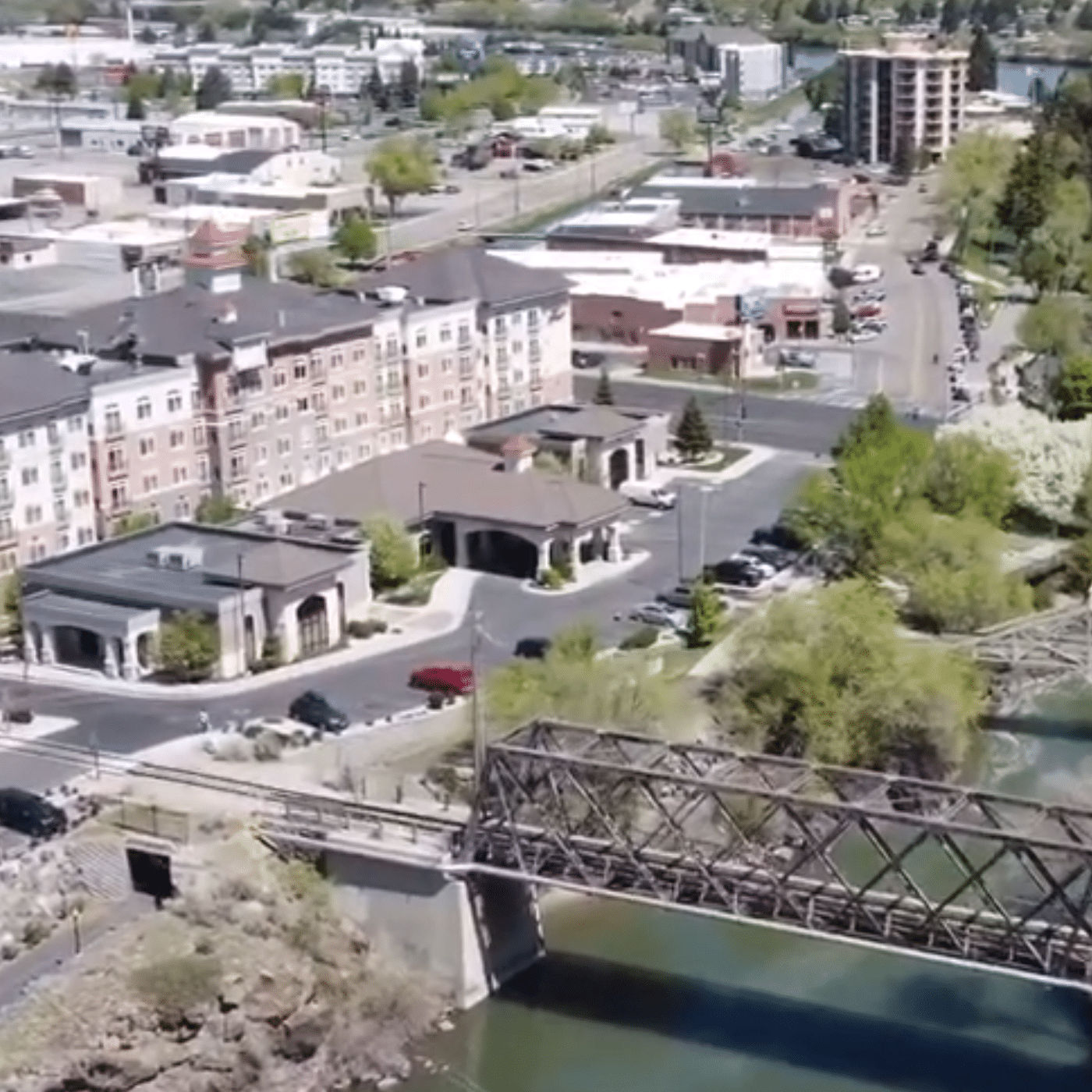
Idaho Falls creates a quieter atmosphere. Hotels near downtown provide quick access to the River Walk, parks and restaurants while maintaining the slower rhythm that defines much of eastern Idaho. Ketchum offers another side of Idaho — a mountain town where galleries, restaurants, and independent shops sit beside one of the country’s most recognizable outdoor destinations.
University towns such as Moscow or Pocatello offer something different again — compact downtown districts filled with independent cafés, bookstores and long-established local businesses that stay active throughout the academic year.
What makes Idaho unusual is that no single downtown represents the entire state.
Boise has the widest selection of restaurants, entertainment venues and cultural institutions, creating the closest thing Idaho has to a traditional metropolitan center.
Coeur d’Alene revolves around the lake. Downtown streets naturally lead visitors toward the waterfront, giving the city an atmosphere that feels both relaxed and lively during much of the year.
Idaho Falls is shaped by water in another way. The Snake River runs directly through the city, and much of downtown life unfolds along the riverfront parks and walking paths.
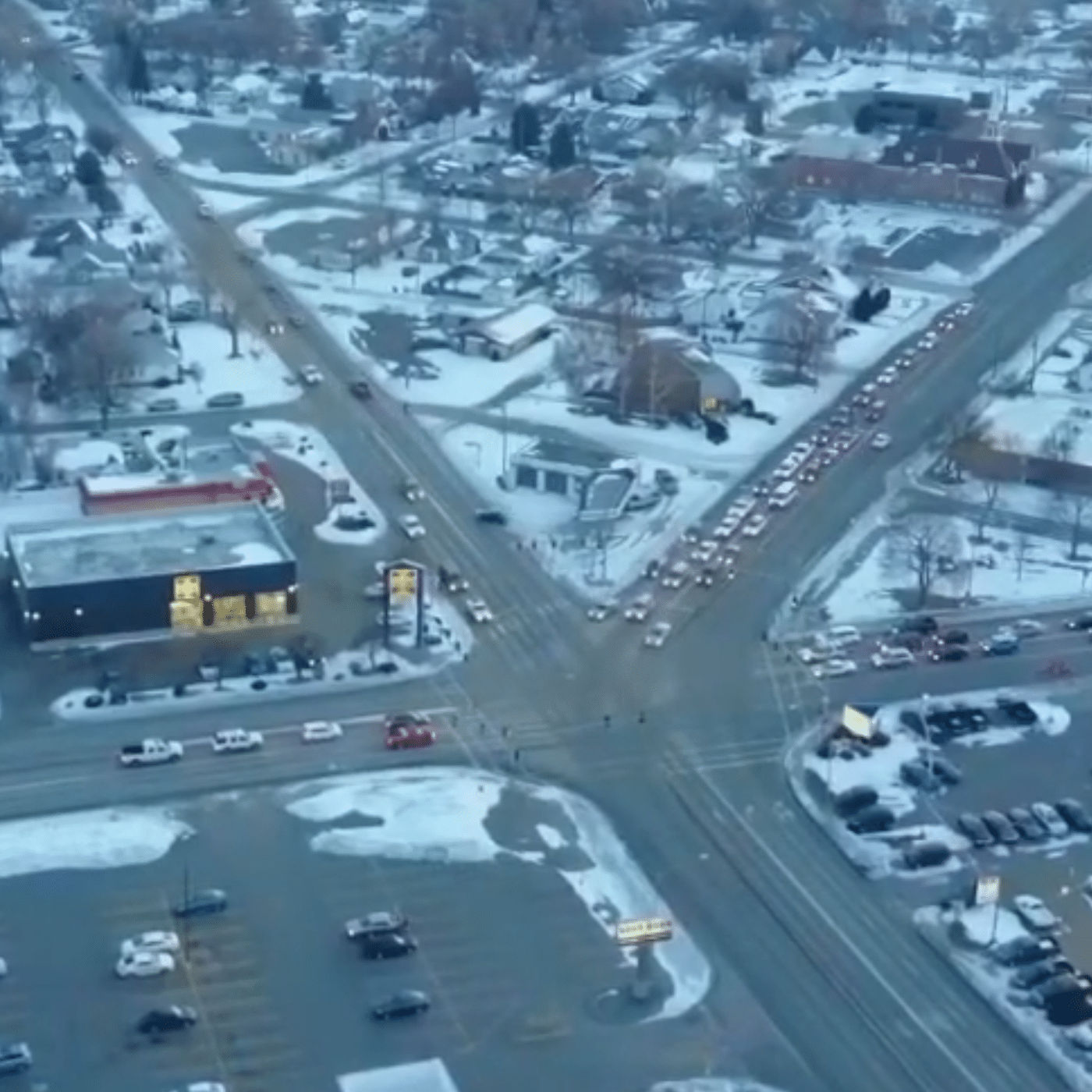
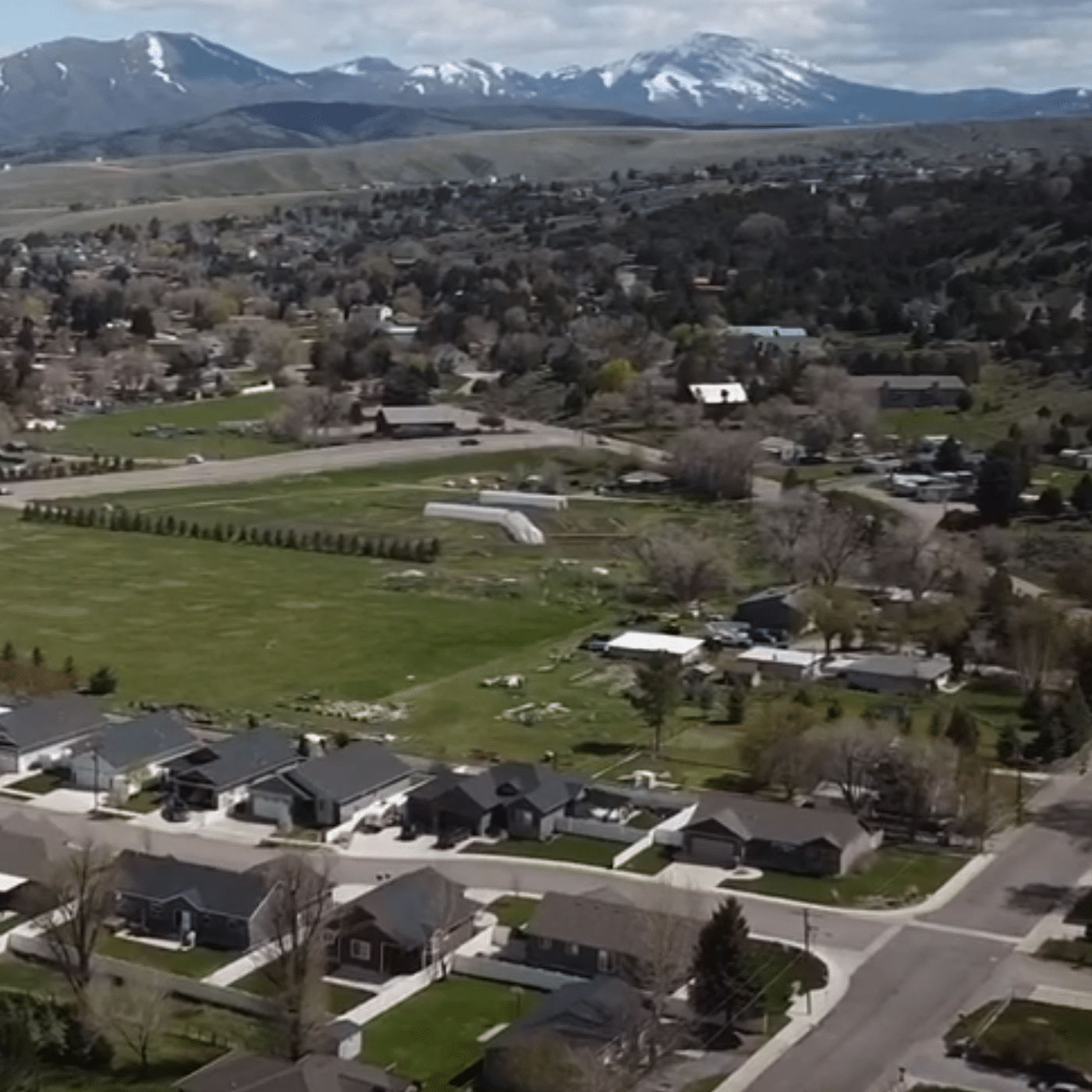
Further north and east, places like Moscow and Pocatello feel more community-oriented. Their downtowns are smaller, but local businesses, university life and seasonal events create activity that doesn’t depend entirely on tourism.
Idaho’s downtowns do not follow one formula. They reflect the geography, history, and communities that shaped them — making each city feel like a different interpretation of the same state.
Idaho occupies a unique position in the Rocky Mountain region. Its downtowns tend to balance everyday local life with quick access to rivers, mountains, and forests, creating an experience that feels both practical and connected to nature.
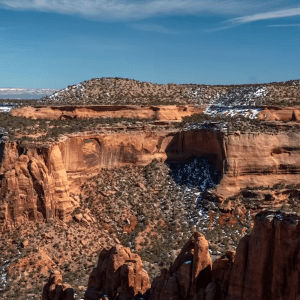
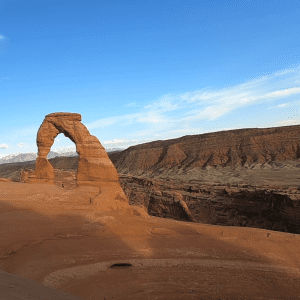
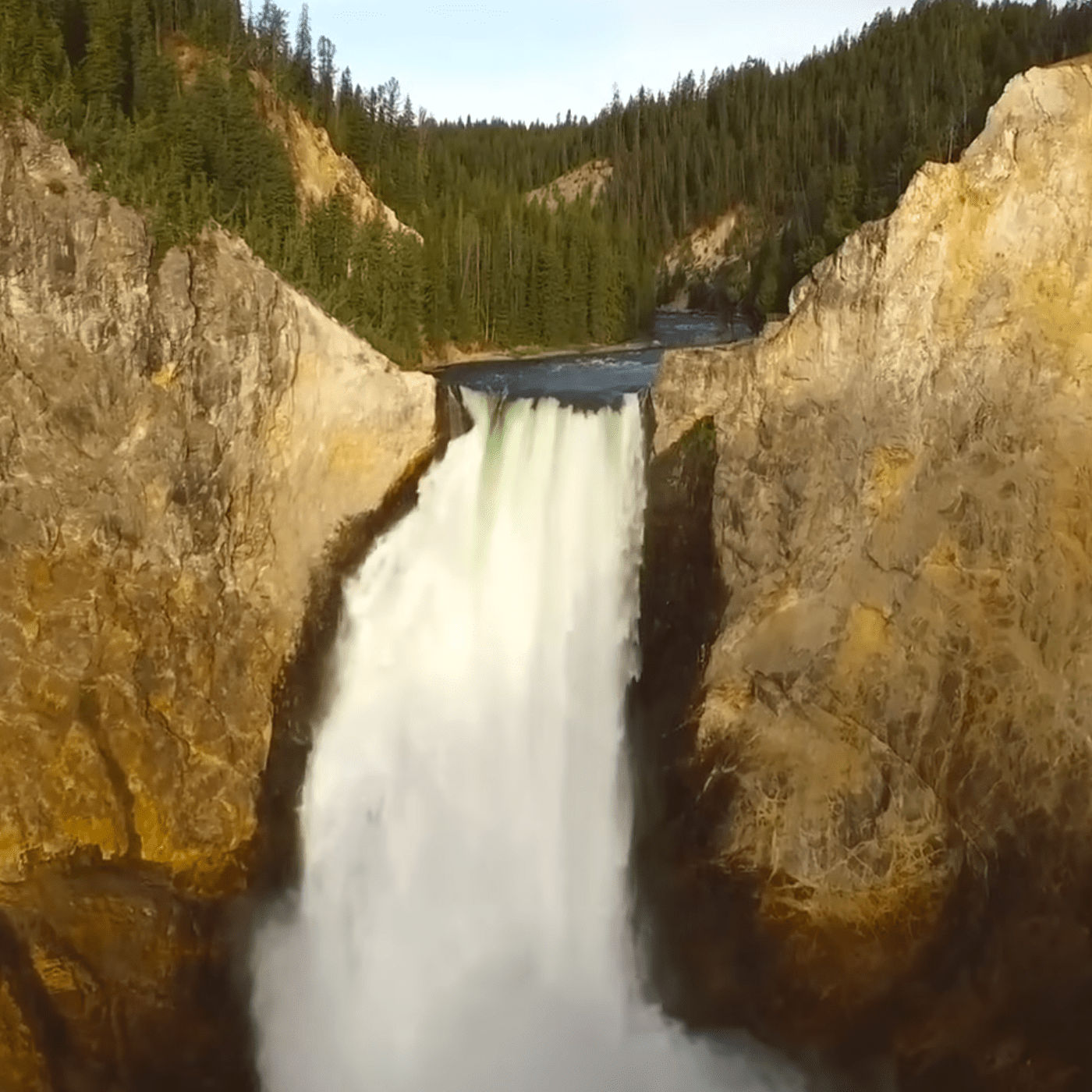
To the east, Wyoming offers even smaller and quieter downtowns, where historic streets often serve as gateways to national parks and vast open landscapes. North of Idaho, Montana is known for its preserved main streets, railroad heritage, and mountain communities that still reflect the character of the American West. Heading south, Utah presents a more urban experience, particularly around Salt Lake City, where larger business districts blend with outdoor recreation. Colorado, meanwhile, combines the region’s biggest metropolitan centers with historic mountain towns, offering the widest variety of downtown experiences in the Mountain West.
Whether you’re looking for a relaxed lakeside atmosphere, a walkable state capital, or a base for exploring the outdoors, Idaho offers a middle ground that feels less crowded than Colorado, more varied than Wyoming, and more understated than Utah.