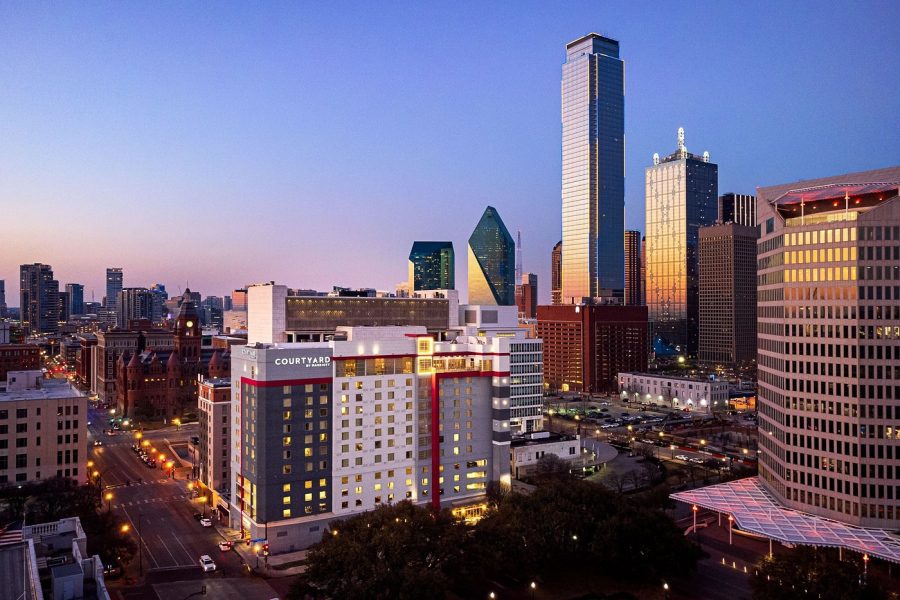
Downtown Dallas connects business districts, museums, nightlife, and public spaces across one of the city’s largest urban centers
The Hotel Presence Across Downtown Dallas Blocks
Downtown Dallas is built around a modern skyline of office towers, wide streets, and large commercial blocks that make the city feel more open and spread out than older American downtowns. The Arts District and Klyde Warren Park break up the business core with museums, restaurants, and public space, while nearby Deep Ellum introduces a more independent music and nightlife scene. Unlike denser East Coast cities, movement through downtown Dallas often revolves around major roads and distinct districts rather than a continuous walkable grid. Staying downtown gives visitors direct access to business areas, entertainment venues, and several of the city’s most active neighborhoods from a central location.
Downtown Dallas is compact enough that most key attractions can be reached without planning a full day of transport — which is one of the main reasons visitors choose to stay in this area in the first place.
Klyde Warren Park sits directly between Downtown and Uptown, built over Woodall Rodgers Freeway. From most downtown hotels, it’s a 10–15 minute walk or a very short ride, and it often becomes an unplanned stop during the day rather than a planned attraction — especially for coffee breaks or quick meals from food trucks.
Dallas Museum of Art is anchored in the Arts District and is within walking distance from the central hotel cluster around Main Street. Guests staying in Downtown hotels often visit it spontaneously, since it sits on the natural walking route toward other cultural buildings in the district.
Reunion Tower is located slightly outside the core grid of downtown hotels, but still close enough that it’s commonly accessed by a short Uber ride or a 15–20 minute walk from western downtown properties. It’s usually visited at sunset or night when skyline visibility is at its best.
JFK Memorial Plaza is part of the historical zone around Dealey Plaza, roughly 10 minutes from most central hotels on foot. Visitors typically combine it with a short walking loop through the older part of downtown rather than treating it as a standalone stop.
AT&T Discovery District is on the eastern edge of downtown and feels like a shift in atmosphere compared to the business core. Guests staying near Main Street or Commerce Street can reach it in a few minutes on foot, and it’s often used as an evening area because of its lighting, restaurants, and open public spaces.
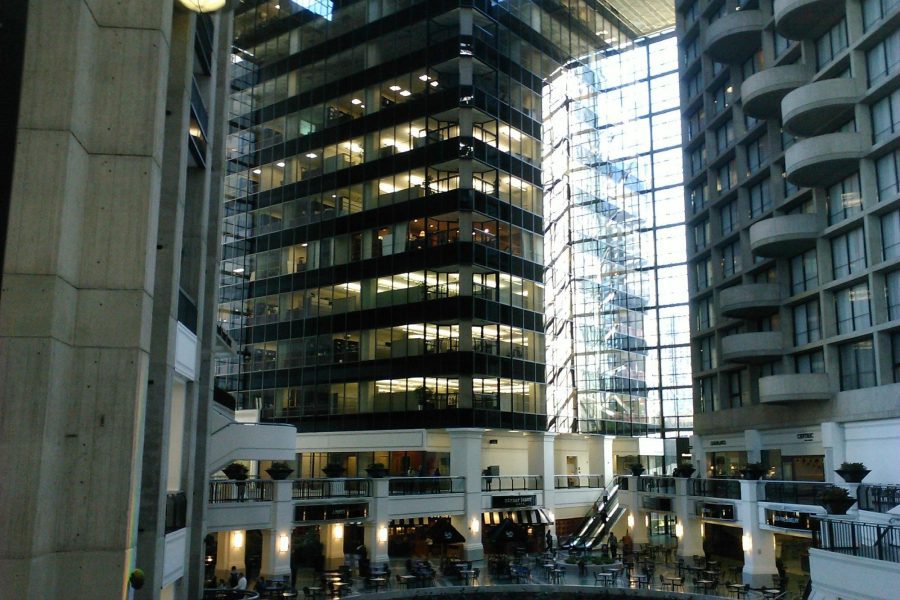
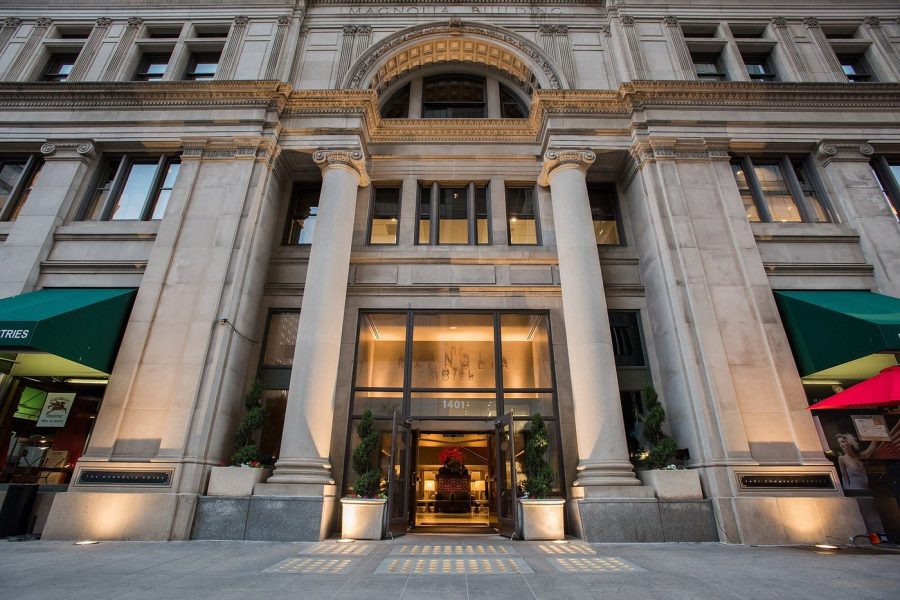
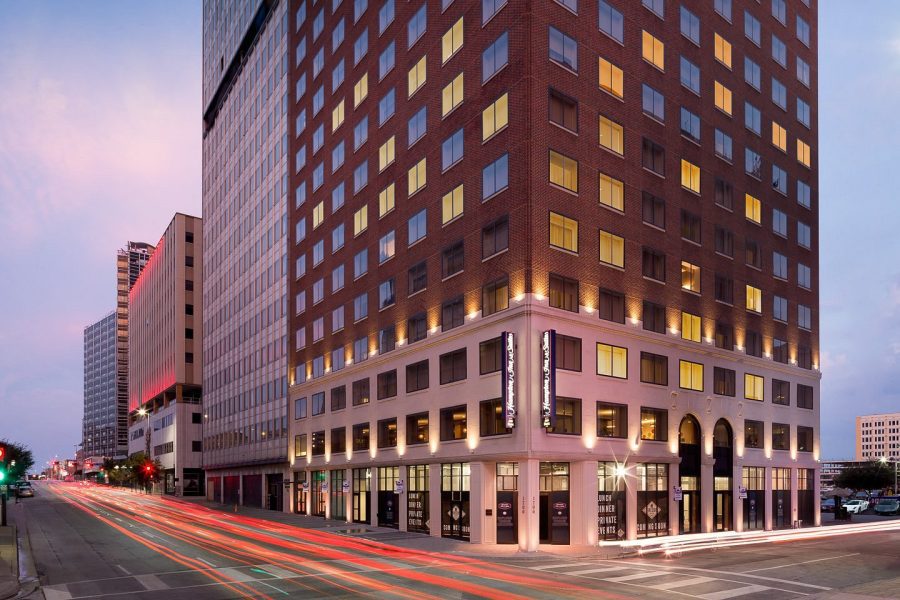
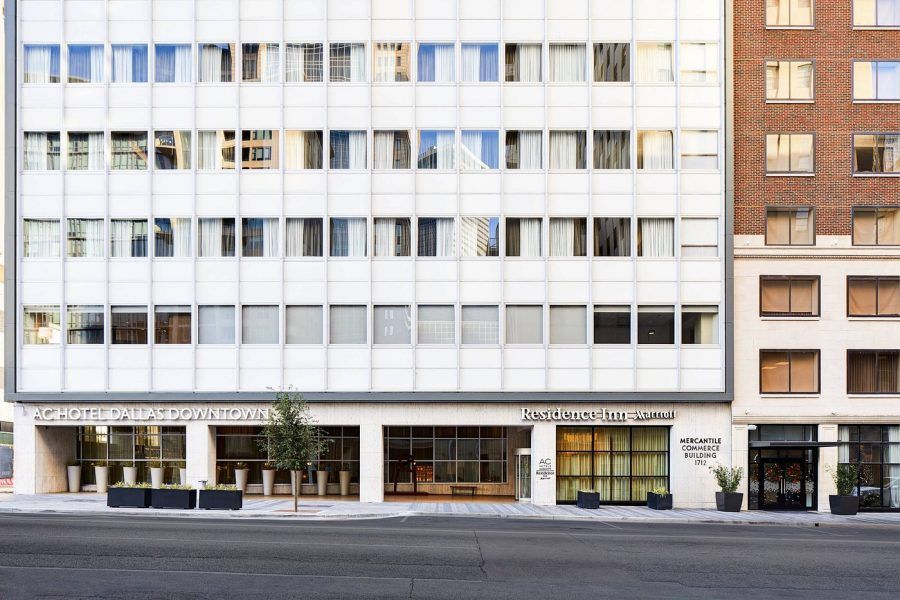
What Downtown Dallas Hotels Actually Look Like
Travel Tips & Insider Notes for Downtown Dallas
Hotel prices in Downtown Dallas are driven more by events than seasonality. When there’s a convention at the Kay Bailey Hutchison Convention Center or a game at the American Airlines Center, hotels within walking distance can become significantly more expensive — especially midweek, while weekends are often cheaper.
A common mistake is booking a “downtown” hotel and expecting nightlife right outside. The core business area around Main Street can feel quiet in the evening. If you want restaurants and bars within walking distance, staying closer to Deep Ellum or the eastern edge of downtown is usually a better choice.
That’s where spots like Pecan Lodge or Braindead Brewing are located, while places like The Woolworth and Midnight Rambler offer a more central but still active setting.
Distances look short on a map, but Dallas heat can make walking less practical, especially in warmer months. Because of that, the exact hotel location often matters more than expected.
If you’re staying in downtown, you likely won’t need a car, but for exploring beyond central areas, it quickly becomes more useful.
Downtown Hotels in Dallas – Frequently Asked Questions
Because much of downtown is built around office buildings, areas near Main Street and the business core tend to clear out after working hours. Hotels in these zones are great for convenience, but not ideal if you expect activity right outside in the evening.
Not really. Downtown looks compact on the map, but small differences in location change the experience. A hotel on the western side can feel isolated at night, while one a few blocks east puts you closer to restaurants and evening activity.
Price spikes are usually tied to conventions, corporate events, or games at the nearby arena. If your hotel is within walking distance of those venues, it will often be priced higher than similar hotels just a few blocks away.
Access varies more than people expect. Some hotels are within a few minutes of places like The Woolworth or Midnight Rambler, while others are in quieter blocks where you’ll likely plan dinner and take a short ride.
The eastern edge of downtown, closer to Deep Ellum, makes a noticeable difference. From there, you can realistically walk to places like Pecan Lodge or Braindead Brewing, while hotels deeper in the business district usually require a short ride.
In terms of distance, yes — but in practice, not always. During hotter months, even short walks can feel uncomfortable, so many visitors end up using Uber more often than they initially planned.
It depends on your priorities. Downtown is more practical and central, especially for business or short stays. Uptown and Deep Ellum offer more restaurants and nightlife, but less of that “everything in one place” convenience.
Focusing only on price or star rating without checking the exact location. In Downtown Dallas, being just a few blocks in the wrong direction can mean the difference between a walkable stay and relying on rides for almost everything.
Where Downtown Dallas Feels Quiet vs. Where It Actually Works for Visitors
Downtown Dallas looks compact on a map, but the experience changes a lot depending on the exact streets around your hotel. The central business grid around Main Street (between Akard, Ervay, and St. Paul) is busy during the day, but after office hours it becomes noticeably quiet, with limited street activity and fewer casual places open late.
Just a few blocks east, toward Commerce Street and the approach to Deep Ellum (around Good-Latimer Expressway), the atmosphere shifts. This is where you’ll find more active evening life and easier walking access to places like Pecan Lodge or Braindead Brewing, without needing to plan transportation every time you go out.
On the western side, around Reunion Tower and the Convention Center area, the setup feels more spread out and less pedestrian-oriented at night. Even short distances often turn into rideshares because the streets are designed more for traffic flow than for evening walking.
The Arts District and Klyde Warren Park corridor is active during the day thanks to museums and public spaces, but it also quiets down in the evening, especially on weekdays when cultural venues close.
In practice, the biggest difference in Downtown Dallas isn’t distance — it’s which side of downtown your hotel is on after dark. Two properties only a few blocks apart can give you completely different access to restaurants, nightlife, and walkability.