Washington’s cities shaped by water, mountains, and technology
Washington State offers a very different kind of urban experience compared to California. Here, downtowns are defined not only by architecture and culture, but also by their constant connection to nature. From waterfront skylines to views of mountains and forests, staying in downtown hotels across Washington means being in the center of city life while never being far from the outdoors.
What makes Washington unique is the balance between innovation and landscape. Within a single day, you can move from the tech-driven energy of Seattle to the historic and slower-paced downtown of Spokane, and then to the industrial-turned-creative core of Tacoma. Each downtown reflects a different side of the state’s identity.
Seattle – waterfront skyline and tech-driven culture
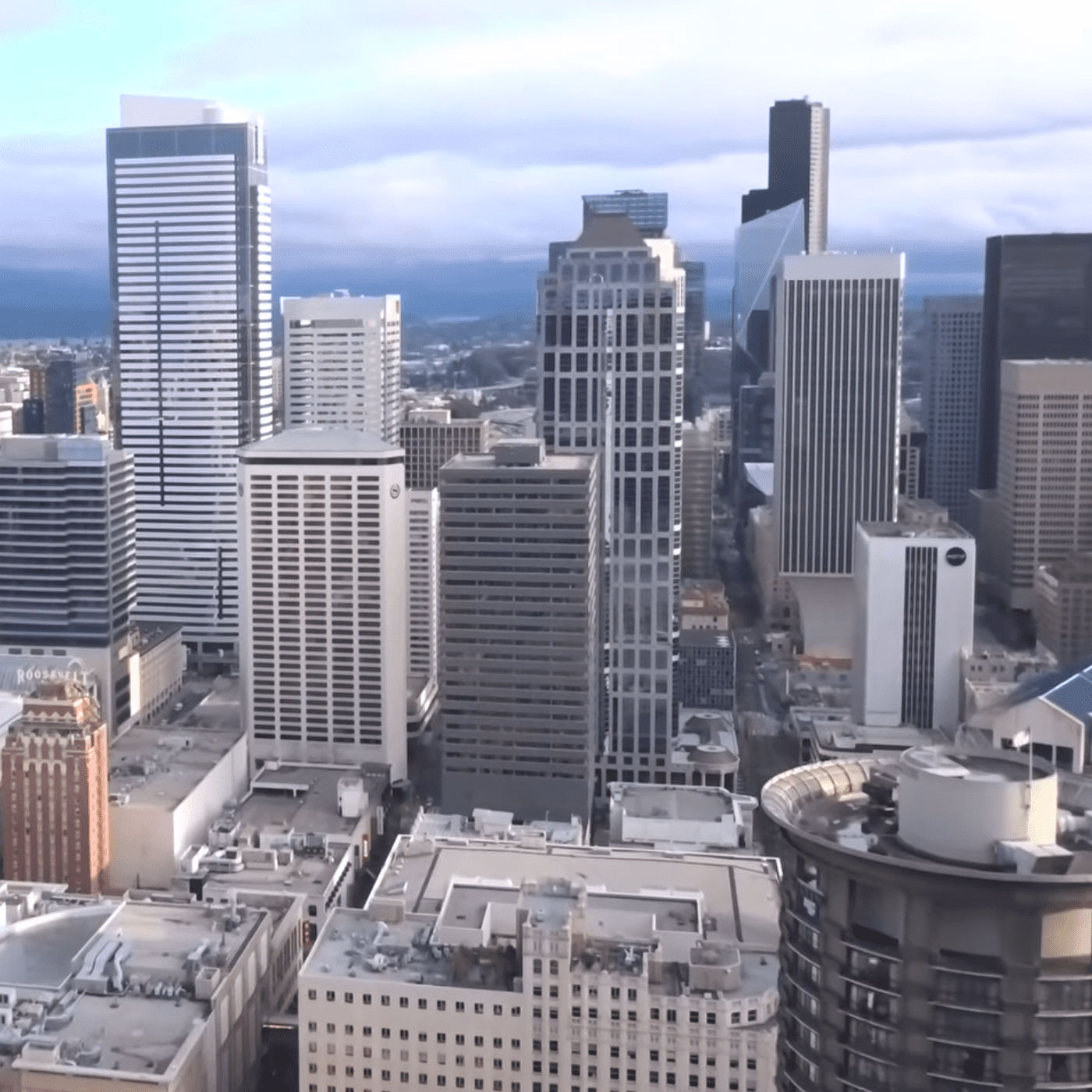
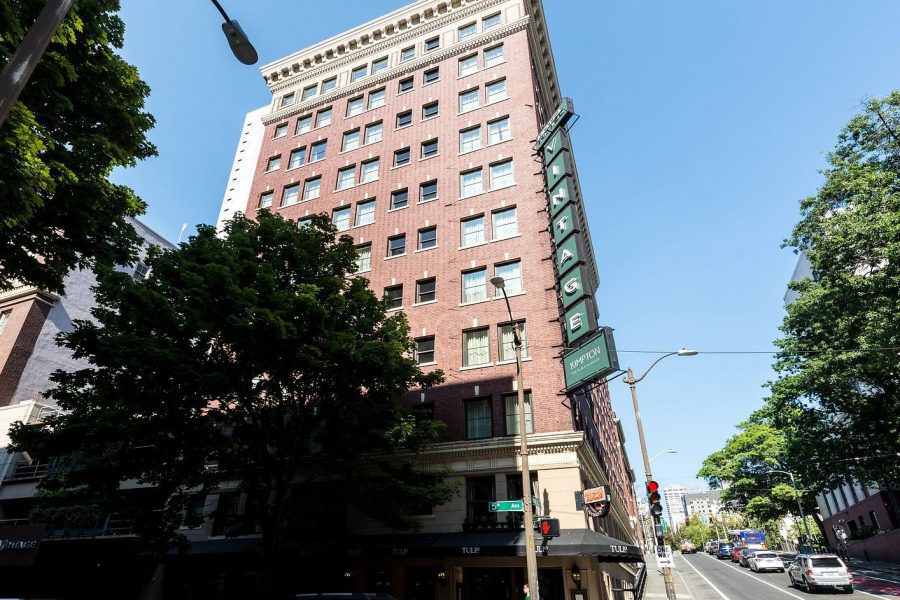
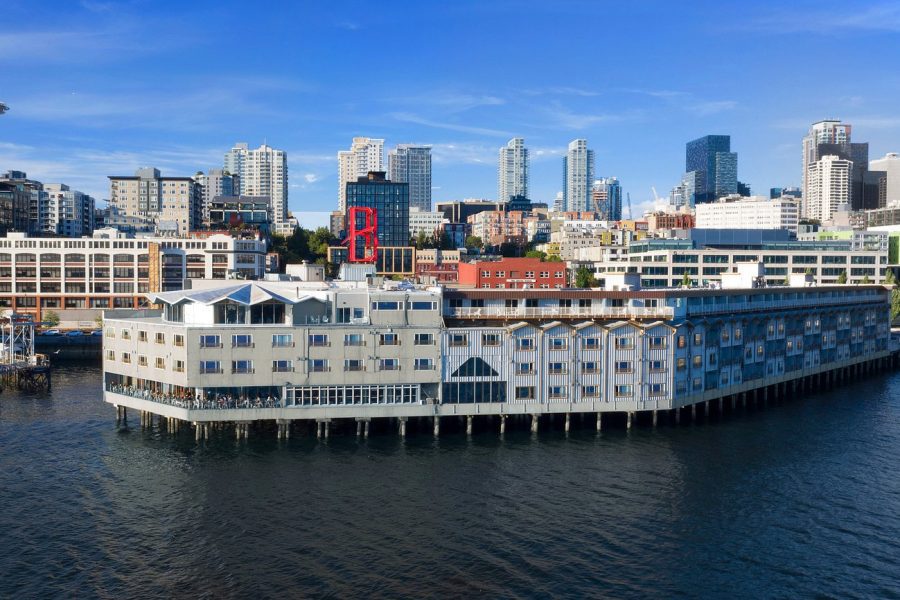
Downtown Seattle is the economic and cultural heart of the Pacific Northwest. Surrounded by Puget Sound and framed by distant mountain ranges, the city blends modern skyscrapers with historic districts and public markets.
One of the most iconic locations is Pike Place Market, where local vendors, fresh seafood, and artisan goods create a daily rhythm that defines the city. Just a short distance away, the Space Needle offers panoramic views that connect the urban core with water and mountains.
Seattle’s downtown is also shaped by major tech companies like Amazon and Microsoft, which have influenced the city’s growth, infrastructure, and modern identity. Museums, coffee culture led by brands like Starbucks, and a strong public transit network make downtown Seattle highly functional and walkable.
Spokane – compact downtown with riverfront identity
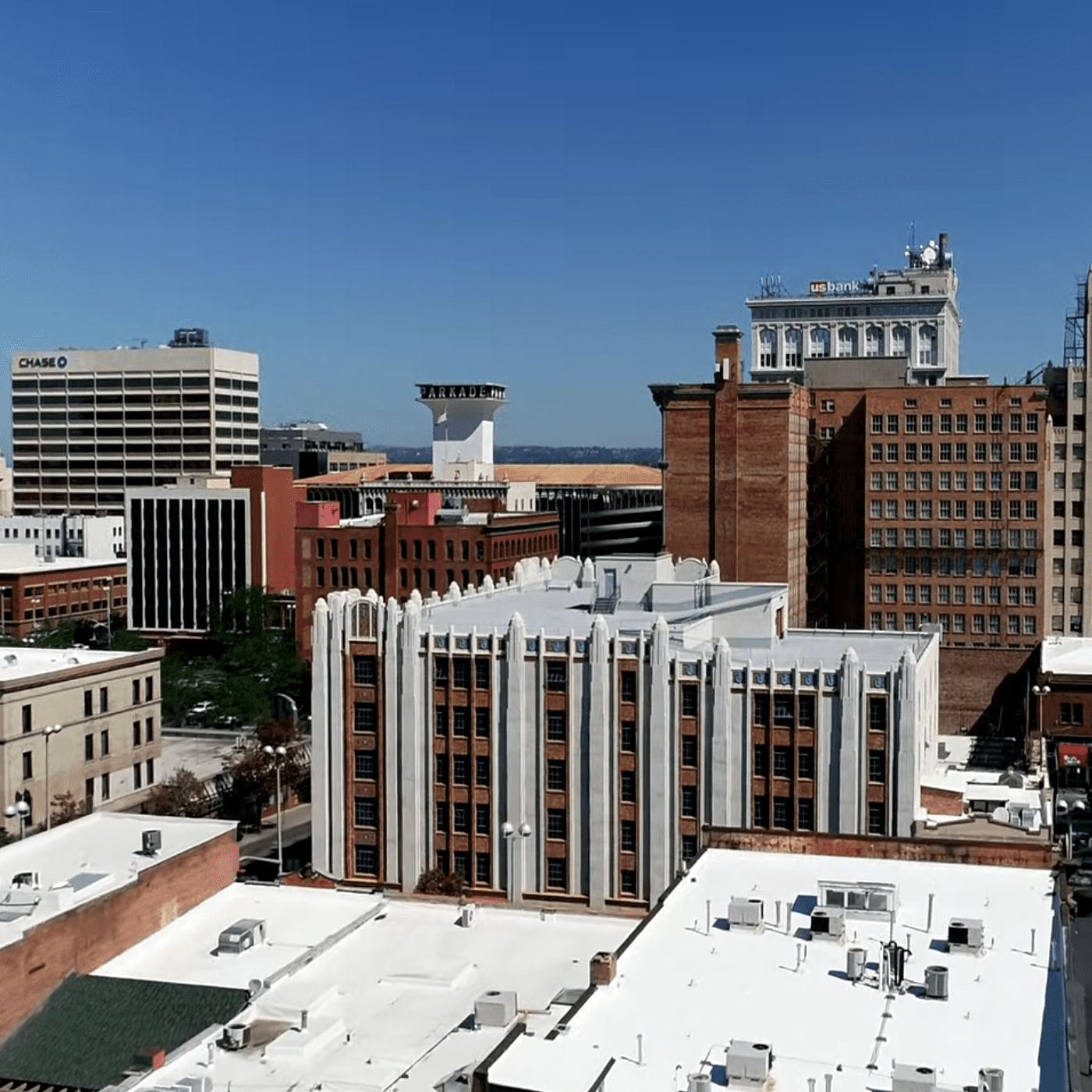
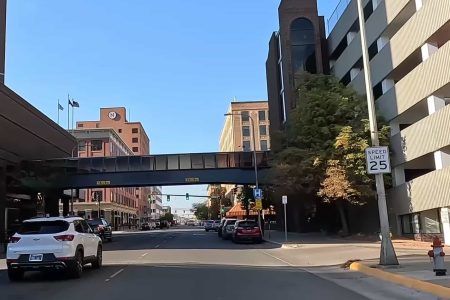
Spokane offers a completely different downtown experience — smaller, quieter, and deeply connected to nature. The Spokane River runs directly through the city center, creating one of the most scenic urban landscapes in the region.
At the center of downtown is Riverfront Park, a large green space developed after Expo ’74, the world’s fair that helped reshape the city. Waterfalls, walking paths, and open spaces define the area, making it easy to combine urban exploration with relaxation.
Historic buildings, local restaurants, and a growing arts scene give Spokane a more intimate feel compared to Seattle. Staying downtown here means everything is within walking distance, without the intensity of a major metropolitan area.
Tacoma – industrial past meets creative revival
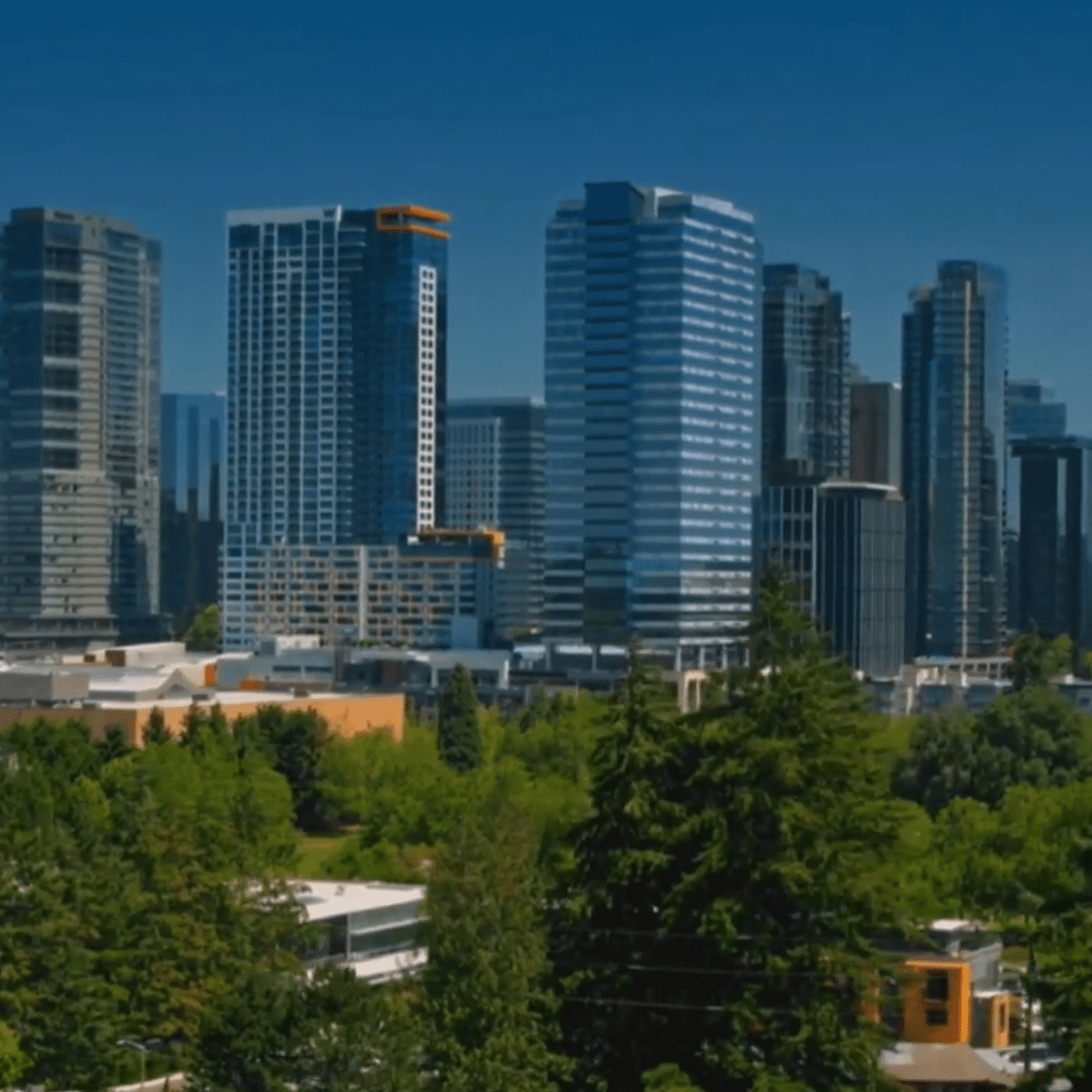
Tacoma’s downtown has undergone a transformation in recent years, evolving from an industrial port city into a hub for art, culture, and independent businesses.
Museums play a central role in this identity, particularly the Museum of Glass, which reflects the city’s artistic revival and connection to glass art. Nearby, the Washington State History Museum provides insight into the region’s past.
The waterfront along Commencement Bay adds another layer, offering views, walking paths, and a quieter atmosphere compared to Seattle. Downtown Tacoma feels more experimental and local, with cafés, galleries, and redeveloped historic buildings shaping its character.
Why Downtown Washington Feels Closer to Everything That Matters
Staying in downtown hotels across Washington means combining accessibility with atmosphere. Instead of choosing between city and nature, visitors get both at the same time.
In Seattle, that means skyline views, markets, and innovation. In Spokane, it means riverfront calm and walkability. In Tacoma, it means creative energy and cultural depth.
Across all cities, downtown stays offer one key advantage: direct access to Washington’s unique identity — a place where urban life doesn’t replace nature, but exists alongside it, visible from nearly every street and skyline.