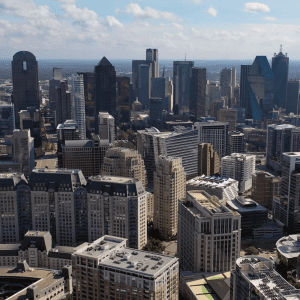
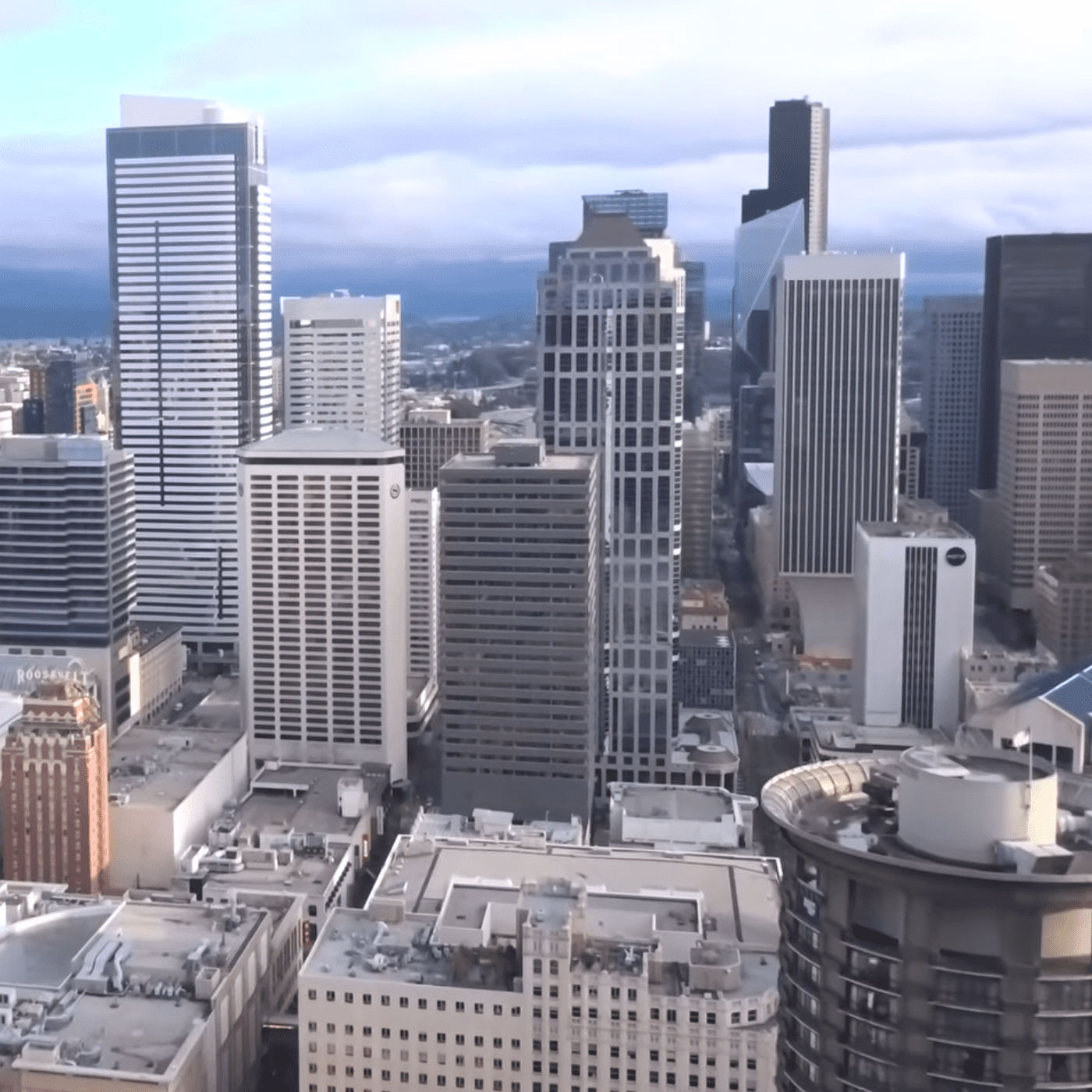
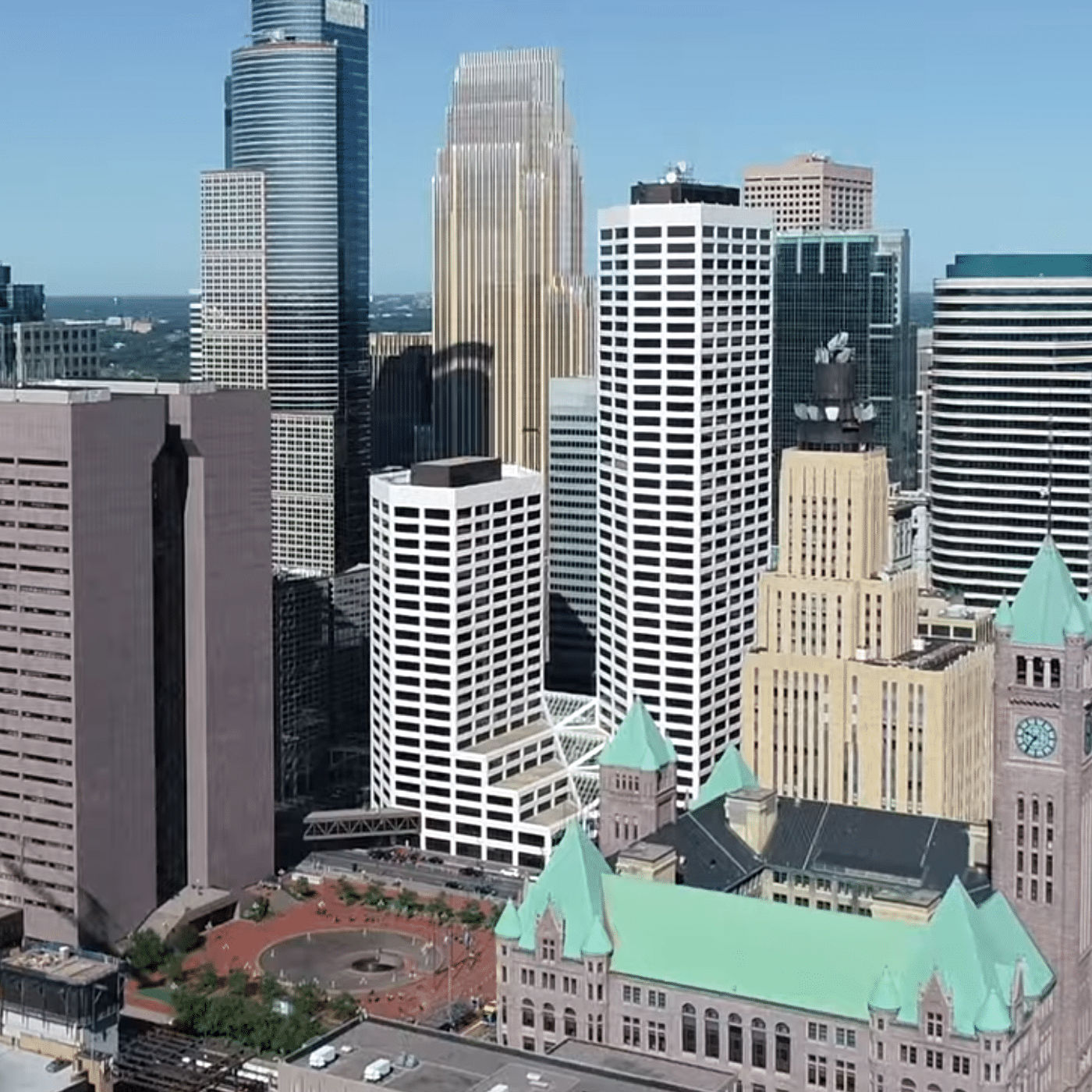
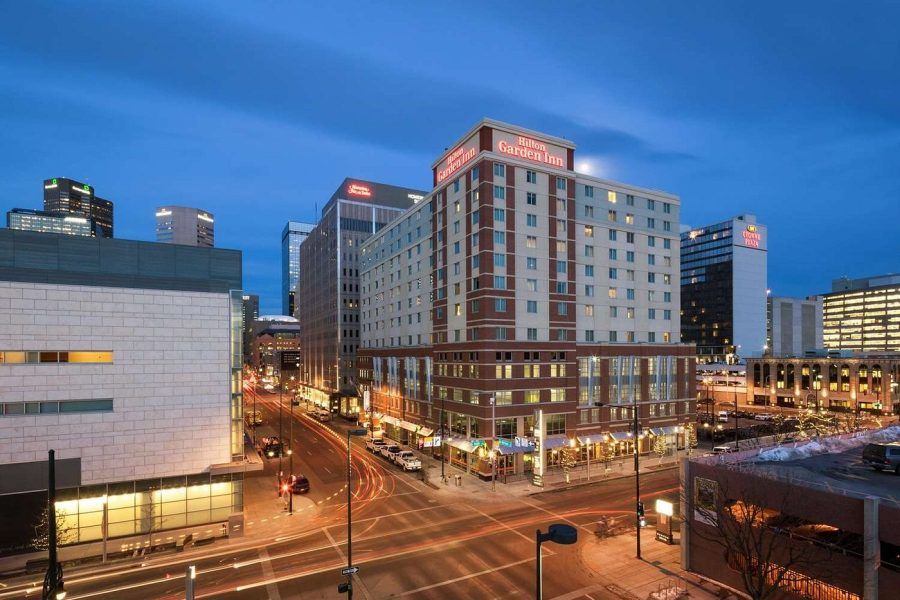
Stay close to Union Station, LoDo (Lower Downtown), the Colorado Convention Center, and the 16th Street corridor for easy access to everything.
Discover the Best Downtown Hotels in Denver – Find Great Deals!
Downtown Denver doesn’t behave like a single “downtown” in the traditional American sense. It spreads out in a series of connected districts where each area has its own pace, its own purpose, and its own version of city life. Union Station anchors arrivals, LoDo brings the noise and nightlife, while the Convention Center and Civic Center corridors switch between quiet business hours and sudden bursts of large-scale events.
Staying here isn’t about being in the middle of everything all the time. It’s about moving through different versions of the city depending on the hour.
What defines downtown Denver is not density, but fluctuation.
On a weekday morning, the area feels like a working engine — commuters moving through Union Station, rideshares stacking up near office towers, coffee shops filling quickly and emptying just as fast. By afternoon, the rhythm slows and spreads out. Then, almost without warning, it shifts again when a game starts at Coors Field or a convention lets out at the Colorado Convention Center.
The same streets can feel completely different depending on whether the city is “on” or “off.” That unpredictability is part of what shapes the hotel experience here.
Where People Stay in Downtown Denver
Instead of a single compact hotel district, Downtown Denver works more like overlapping pockets shaped by movement and purpose.
Around Union Station, everything feels tied to arrival and departure. Trains from the airport roll in throughout the day, rideshares line up along Wynkoop Street, and travelers move constantly between the Great Hall, nearby cafés, and hotel entrances that sit directly in this flow.
A few blocks away in LoDo, the energy tightens. Streets like Wazee and Market fill up quickly in the evenings, especially on game days at Coors Field, when foot traffic naturally pulls the entire neighborhood in one direction.
Closer to the Colorado Convention Center and along 14th–15th Street, the rhythm becomes more structured. Wide sidewalks, large hotels, and convention-driven foot traffic give the area a completely different pace — busy during events, noticeably quiet in between.
Explore Downtown Denver Hotels Through Video
What a Stay in Downtown Denver Actually Feels Like
Denver doesn’t present a single downtown “experience.” Instead, it presents timing.
A guest staying near Union Station experiences motion — arrivals, departures, constant transitions. Someone in LoDo experiences social density — restaurants, crowds, and late-night activity. Someone near the Convention Center experiences rhythm controlled by external schedules — conferences, exhibitions, and seasonal spikes.
The city doesn’t behave the same way twice in a row, even if you stand on the same corner.
Downtown Hotels in Denver – Frequently Asked Questions
Yes, especially for short stays. Union Station makes arrivals easy, and most visitors naturally end up spending time between LoDo and the Convention Center area. It works best as a starting point before exploring places like RiNo or the mountains.
Most stays in the downtown core feel complete in 2–3 days. That’s usually enough time to move between Union Station, LoDo, and the Convention Center area without rushing, and to experience how differently each part of downtown feels.
Areas like Union Station, LoDo, and the Convention Center corridor usually stay active into the evening, especially on weekends or event nights. Some side streets become quieter after business hours, so most visitors naturally stick to the main corridors.
Because the area shifts between commuter flow, office hours, and event-driven spikes. Morning traffic around Union Station feels completely different from a late night in LoDo or a convention rush near the Convention Center.
Downtown Denver is often chosen because it combines transit access, business districts, and entertainment areas in one connected zone. Unlike more residential neighborhoods, it puts visitors close to Union Station, LoDo, and major event venues without requiring long commutes.
LoDo is the historic, nightlife-heavy part of downtown, centered around brick buildings and streets like Wazee and Market. The wider downtown includes office towers and the Convention Center area, which feels more structured and business-oriented.
Most of downtown is walkable, especially between Union Station, LoDo, and the Convention Center. Light rail and rideshares fill in the gaps when you move beyond the core.
Union Station acts as the central anchor — a transit hub, meeting point, and arrival zone that shapes how most visitors first experience downtown.
Why This Matters When Choosing a Hotel
In Downtown Denver, hotel location is less about distance and more about the street-level rhythm you step into when you walk outside.
A hotel near Union Station feels tied to constant movement — people rolling suitcases off the A-Line from the airport, commuters passing through the Great Hall, and a steady flow of travelers moving between trains, coffee counters, and nearby streets like Wynkoop and Wewatta. Just a few minutes away, the atmosphere changes completely.
Down in LoDo, around Wazee Street and Market Street, the city shifts into something more social and compressed — restaurant patios fill up quickly, noise carries between brick buildings, and game nights at Coors Field can turn the whole district into a single stream of foot traffic moving in the same direction.
Meanwhile, closer to the Colorado Convention Center and along 14th–15th Street, the feeling is more structured and business-driven. Glass towers, wide sidewalks, and hotel lobbies designed for conferences create a different kind of downtown entirely — one that can feel full and active during major events, but surprisingly quiet once they end.
That’s why proximity alone doesn’t explain much here. In Denver, the real difference isn’t the distance between two hotels — it’s whether you step out into transit energy, nightlife density, or business-order calm.