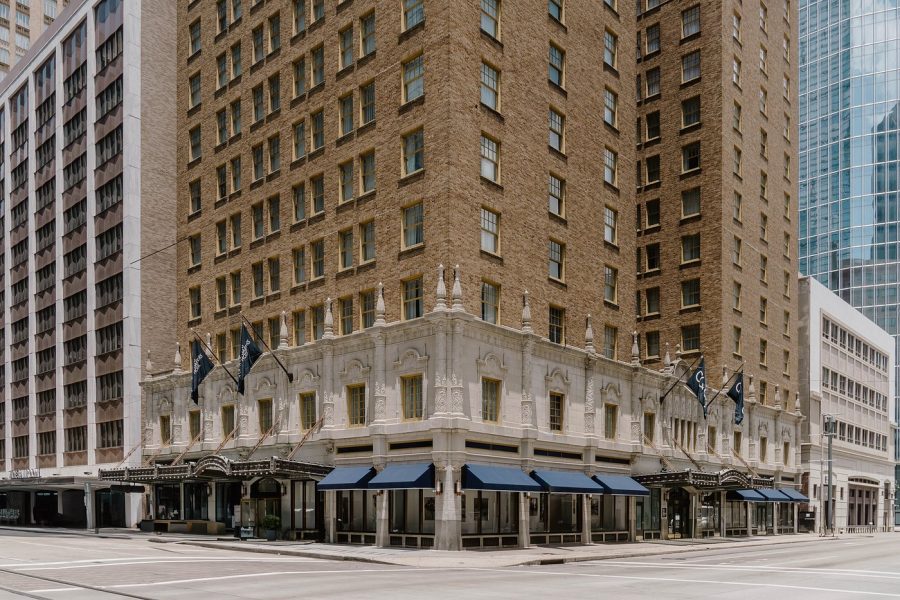
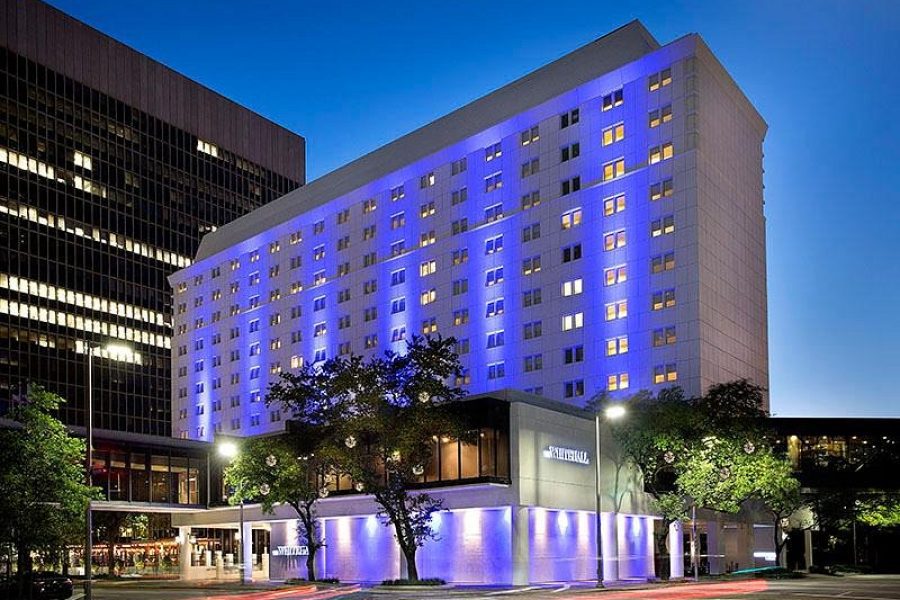
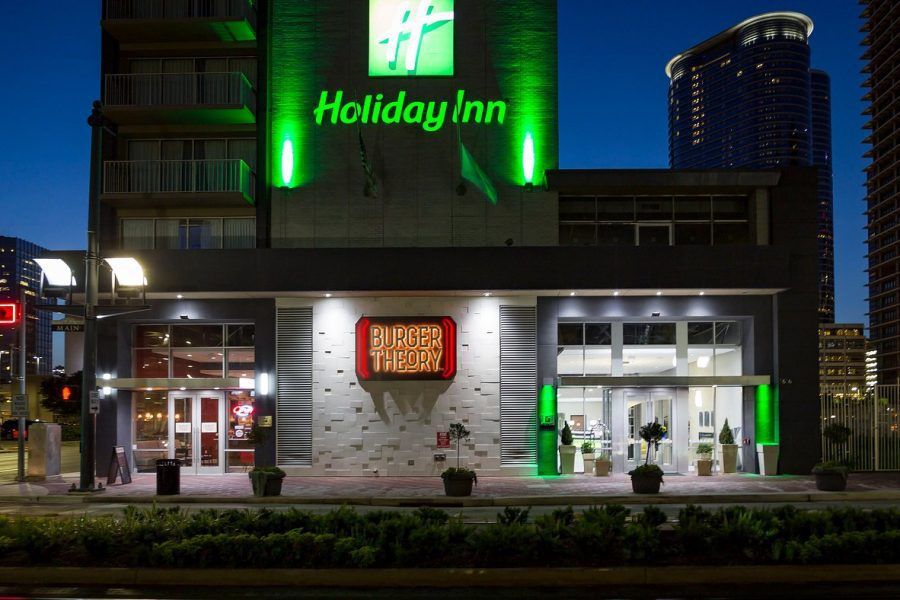
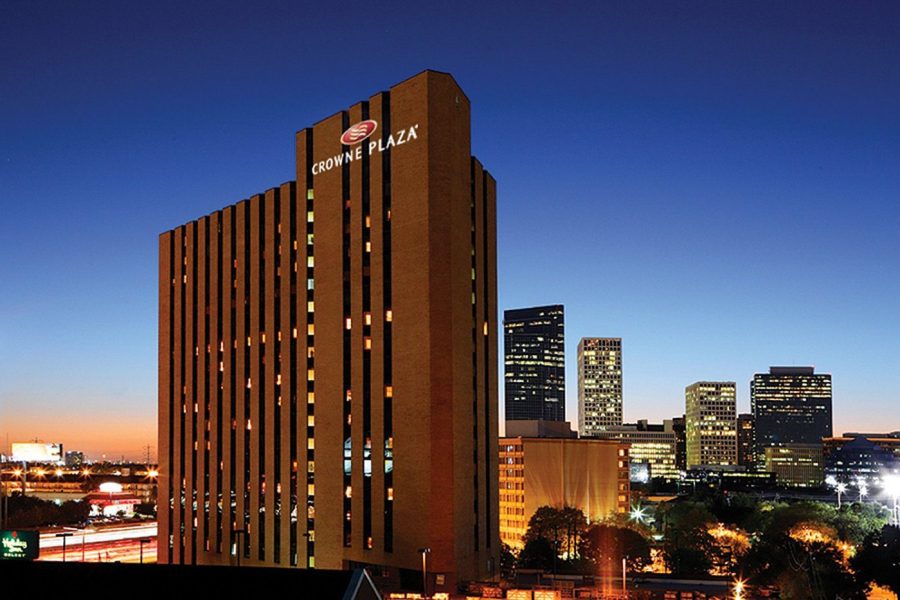
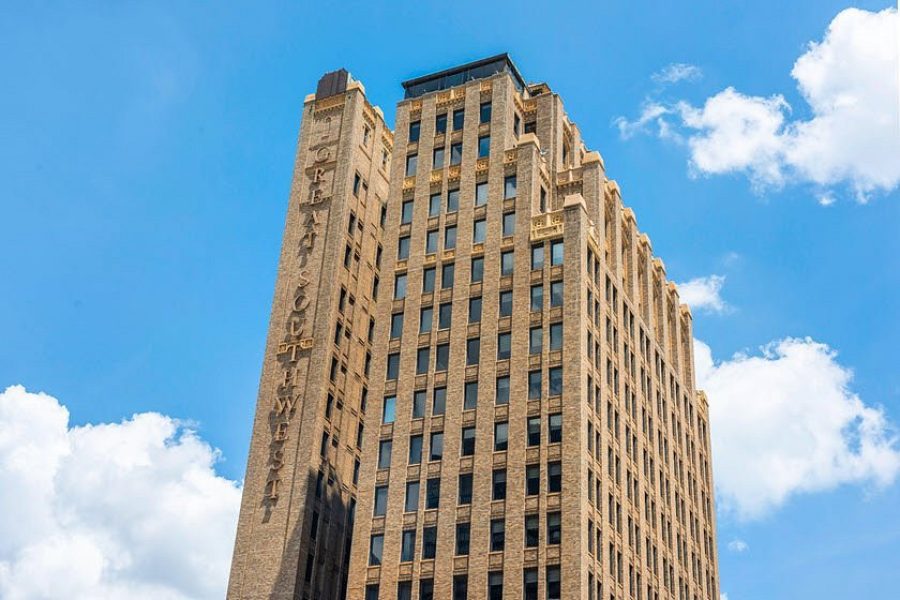
Stay near Downtown Houston, Midtown, Discovery Green, and the Theater District for easy access to business, dining, and cultural venues.
The Downtown Houston Hotel Corridor in Context
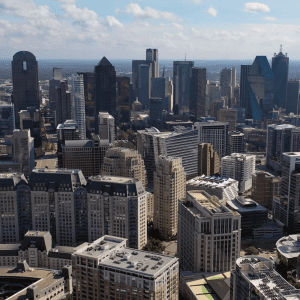
Downtown Houston serves as the city’s main business core, but unlike denser American downtowns, it feels more spread out and shaped by wide streets and car-oriented development. The skyline is concentrated with corporate towers, while nearby districts like Midtown and the Theater District add restaurants, nightlife, and cultural venues within a short drive or transit ride. Discovery Green and surrounding public spaces provide one of the few more walkable, open areas in the middle of the high-rise environment. Staying downtown works well for visitors who want access to business, events, and central attractions while staying connected to Houston’s broader urban layout.
Houston does not behave like a single downtown market
What defines pricing, availability, and even perceived location is not just proximity, but timing. Large conventions, sports events, and seasonal business travel periods create temporary shifts that affect the entire core area at once.
Outside those peaks, the same streets can feel noticeably more open, with a slower pace and reduced density of movement.
This makes Houston different from compact downtown cities where demand is constant and spatial behavior is predictable.
Here, conditions are layered rather than fixed.
What this means for a hotel stay
A stay in Downtown Houston is less about being positioned in a defined entertainment or historic district, and more about operating inside a fluctuating urban system.
Some travelers experience it as highly efficient. Others experience it as inconsistent. Both perceptions are accurate — they come from the same structure.
The hotel acts as the only stable reference point in an environment that does not maintain one steady rhythm.
Explore Downtown Hotels in Houston Through Video
Downtown Hotels in Houston – Frequently Asked Questions
Because Houston’s climate can be extremely hot and humid for much of the year, many office towers, convention spaces, and hotels are connected through tunnels and skywalk systems. Visitors staying downtown often move between buildings without spending much time outside during summer afternoons.
Yes. During weekdays, downtown Houston is heavily influenced by office workers and the energy business sector. Weekends usually feel quieter during the day, but areas around Main Street and Discovery Green become more active in the evening because of concerts, sporting events, and nightlife.
Downtown Houston has an extensive underground tunnel network that connects office buildings, restaurants, and some hotel lobbies. It becomes especially useful during hot summers and rainy days, allowing guests to move through much of downtown without going outside.
Houston is a global hub for the energy sector, and many corporate headquarters are located near downtown. Because of that, hotel occupancy often spikes during industry conferences, deal-making seasons, and large corporate events tied to oil, gas, and renewable energy companies.
Many visitors choose downtown hotels during the baseball season because Daikin Park is located directly in the center of downtown. On game nights, restaurants and bars around the stadium become significantly more crowded, especially when the Houston Astros are playing home games.
The George R. Brown Convention Center attracts large business events throughout the year, especially in the energy, medical, and technology industries. Because of that, many nearby hotels are designed around conference guests, with large lobbies, meeting floors, and direct pedestrian access.
Parking in downtown Houston can be expensive and sometimes limited, especially during events at the George R. Brown Convention Center or games involving the Houston Astros. Many hotels offer valet parking or partnerships with nearby garages to manage demand.
Although downtown has its own attractions, many travelers extend their stay to nearby cultural areas like the Museum District. The short distance makes it easy to combine business or downtown hotel stays with visits to museums, parks, and cultural institutions without changing accommodation.
How Downtown Houston is actually used during a stay
Houston as a time-based urban system
Downtown Houston is not experienced as a single, uniform destination. It functions more like a working zone that changes character throughout the day. In the morning, it is dominated by commuter traffic and corporate activity around office towers and institutions. Around midday, movement shifts toward restaurants, underground tunnel routes, and conference spaces. In the evening, activity spreads outward toward surrounding districts such as Midtown and the Theater District, where social life becomes more visible.
Unlike compact downtown areas, the experience is not defined by walking from landmark to landmark, but by how the city’s different systems overlap in real time.
The underground and climate layer
Downtown Houston is not only shaped by surface streets, but also by its underground tunnel system, which connects office buildings, restaurants, and services beneath the central business district. During summer months, movement patterns often shift indoors, with air-conditioned buildings and underground passages becoming more important than outdoor walkability.
Events and pressure points
On game days, the area around Daikin Park shifts its entire rhythm, especially during home games of the Houston Astros. Large-scale conventions at the George R. Brown Convention Center often redefine hotel availability across the entire downtown core within hours.
U.S. Downtowns Similar to Downtown Houston
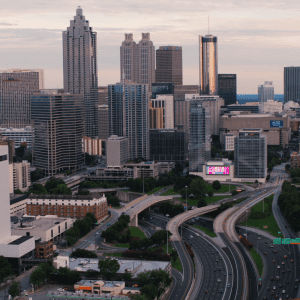
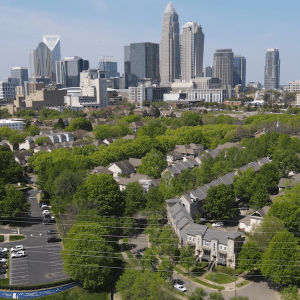
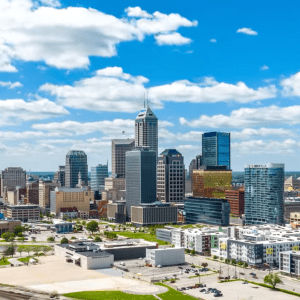
Discover how downtown areas differ across major U.S. cities and what that means for your stay