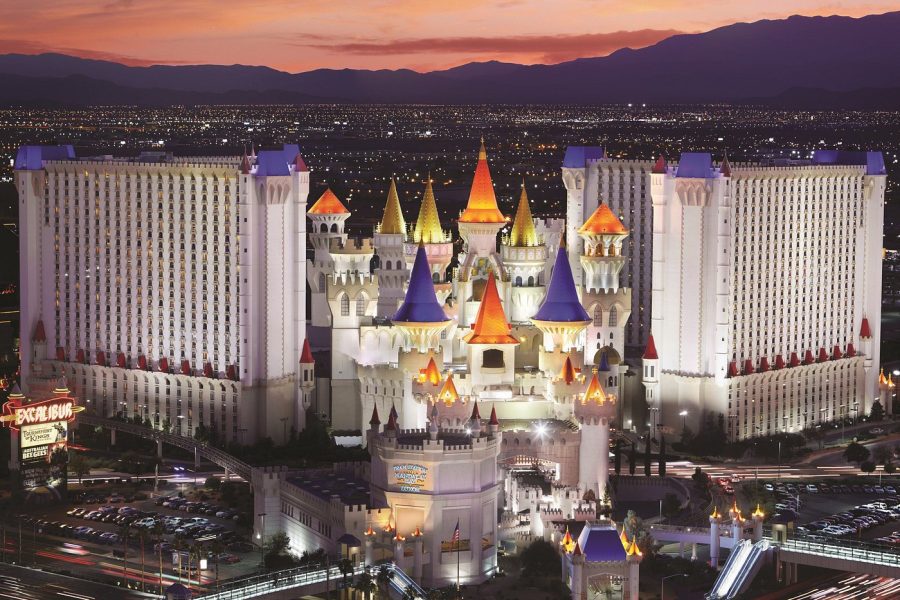
Nevada blends neon-lit downtown energy with desert landscapes, casino culture and fast-growing business districts.
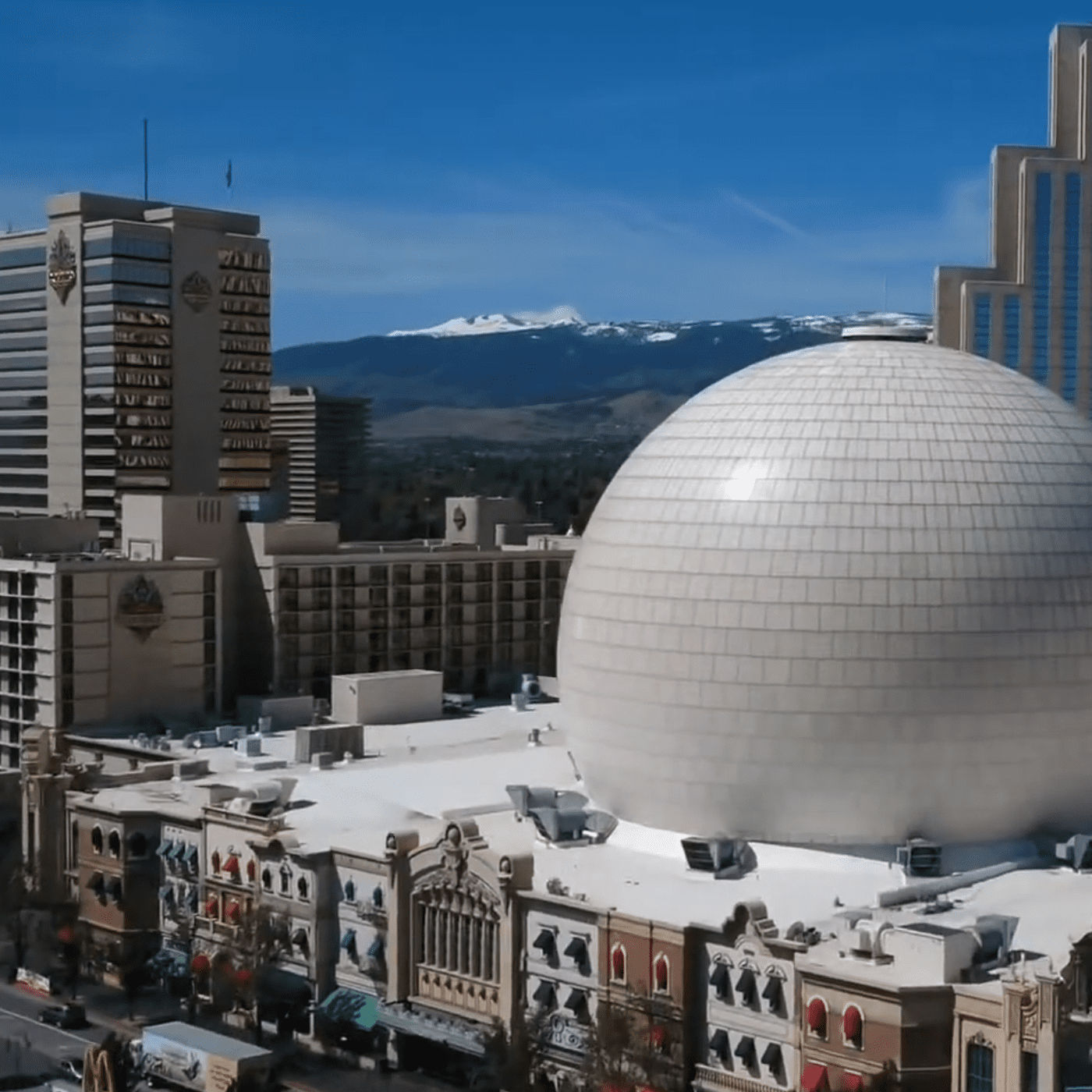
In Nevada, downtown hotels are closely tied to the state’s nonstop entertainment culture. From neon-lit casino districts and late-night restaurants to convention centers, desert highways and historic western streets, Nevada’s urban centers offer a very different atmosphere from most American states. Cities like Las Vegas and Reno combine tourism, gaming, nightlife and business travel into downtown areas that stay active long after midnight.
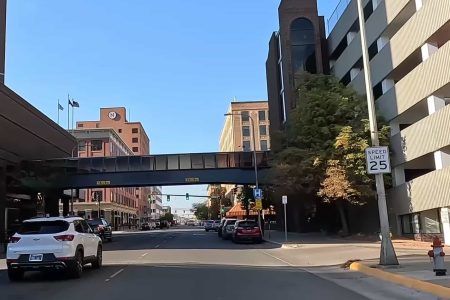
Downtown areas across Nevada are where this energy becomes most concentrated. From casino-lined boulevards to compact business districts surrounded by restaurants, bars and entertainment venues, downtown hotels place visitors right in the center of the action. Whether it’s a short business stay or a nightlife-focused trip, Nevada’s downtown hotel scene is built around walkability, convenience and constant movement, where everything feels just a few steps away.
Nevada is known for its vibrant cities, glowing nightlife, and endless desert landscapes. While Las Vegas often takes the spotlight, the state offers much more—from mountain escapes near Reno to historic towns and scenic outdoor destinations.
For travelers who want to stay close to the action, downtown hotels in Nevada provide the perfect balance of location, comfort, and access to entertainment.
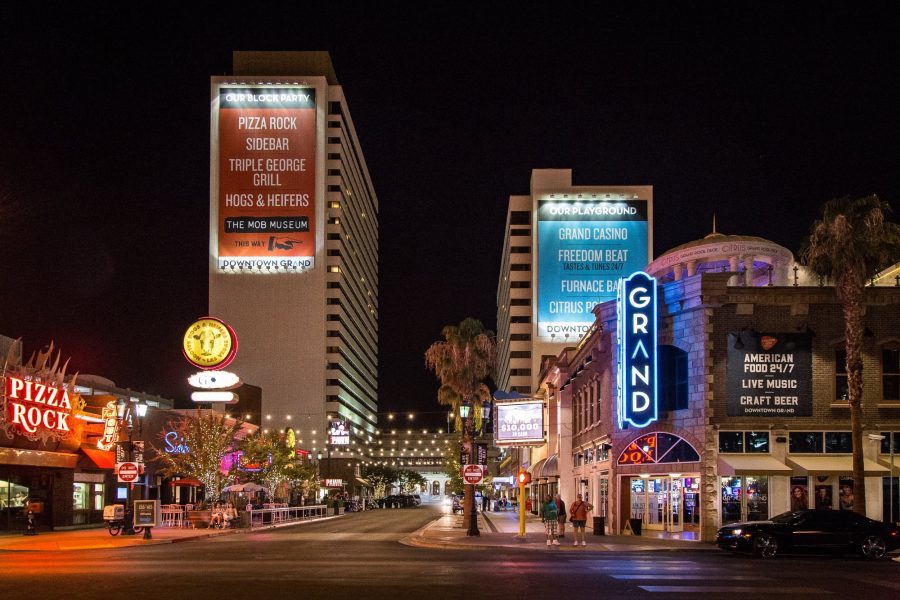
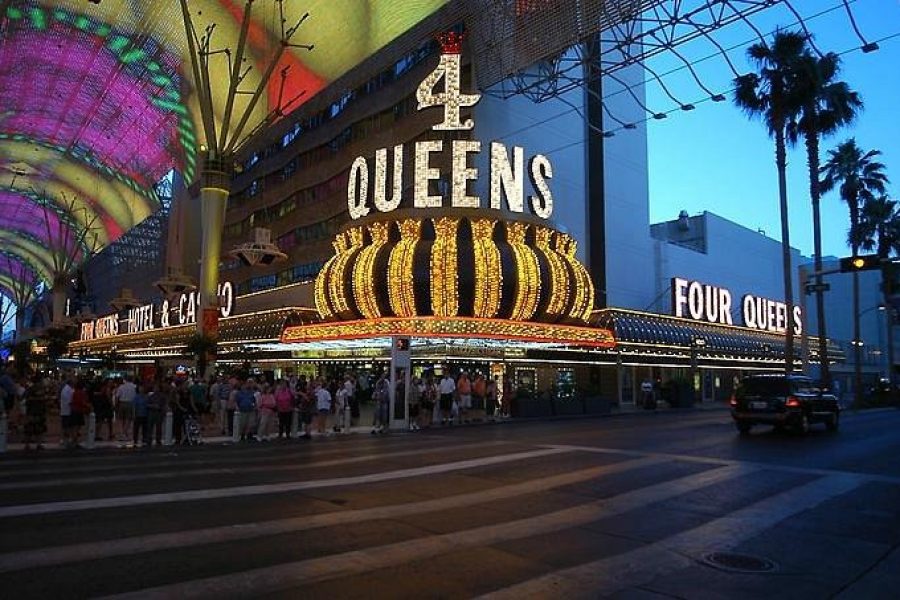
In Las Vegas, downtown offers a more classic and walkable experience compared to the Strip. Fremont Street is the center of activity, filled with lights, live shows, casinos, and restaurants all within short walking distance.
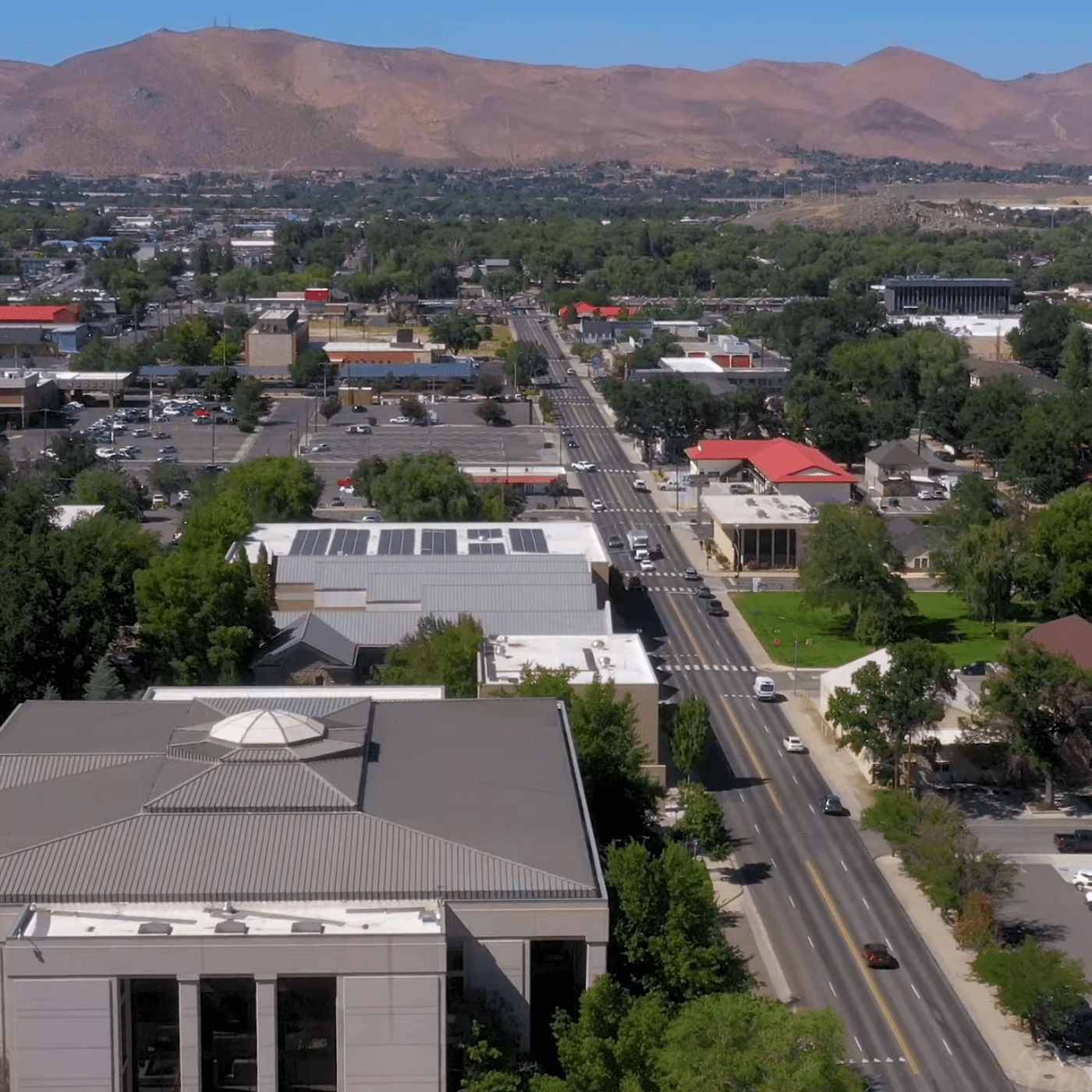
Reno, on the other hand, combines a relaxed downtown atmosphere with casino culture and quick access to nature. It is one of the most practical bases for travelers who want both city life and outdoor adventures. Downtown hotels in both cities range from budget-friendly stays to modern resorts, making Nevada flexible for all types of travelers.
While the Strip is famous worldwide, downtown Las Vegas offers a different kind of energy. It feels more compact, nostalgic, and easy to explore on foot, centered around Fremont Street.
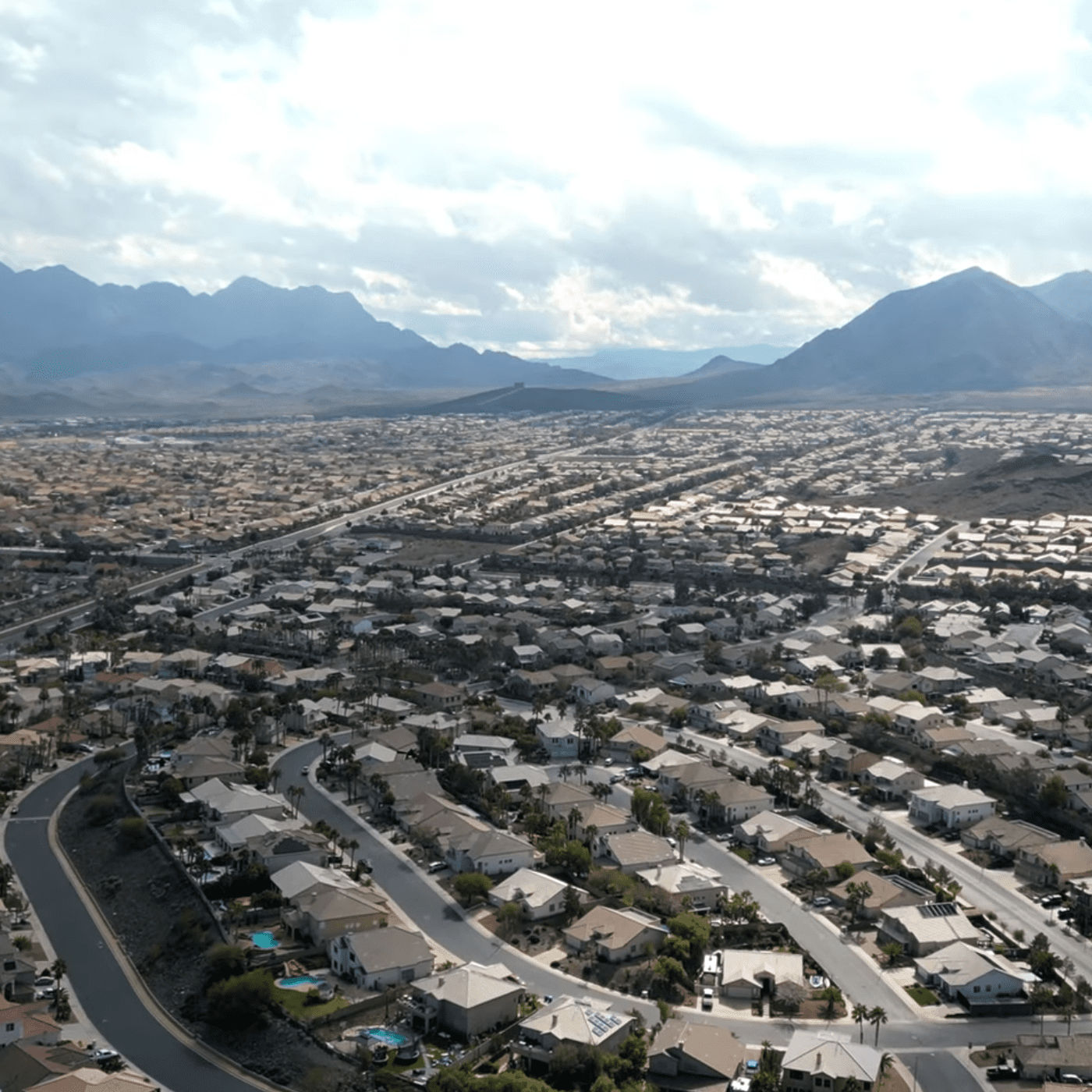
Just outside the city, Nevada reveals another side of its landscape. Red Rock Canyon National Conservation Area offers dramatic desert scenery and hiking trails, while the iconic Hoover Dam shows one of America’s most impressive engineering achievements.
Reno is often called “The Biggest Little City in the World” and serves as a gateway to outdoor adventures. From downtown, travelers can quickly reach Lake Tahoe, one of the most beautiful alpine lakes in the United States, known for skiing in winter and hiking or water activities in summer.
Just a short drive away, the historic Virginia City offers a glimpse into Nevada’s Wild West mining history, with preserved buildings, wooden sidewalks, and old saloons.
Nevada offers a unique mix of entertainment, history, and natural beauty. From the lights of Fremont Street to the mountains around Lake Tahoe and the desert views of Red Rock Canyon, the state delivers far more than just casinos.
Staying in downtown hotels allows travelers to experience Nevada in the most direct and convenient way—close to culture, attractions, and the real energy of its cities.
Nevada shows up in pop culture less like a setting and more like a pressure zone where stories get louder, faster, and slightly distorted.
In The Godfather Part II (1974), Las Vegas appears as a quiet but decisive pivot in the Corleone world — a place where power shifts into hotel suites, private meetings, and casino investments. It’s not loud or chaotic; it’s procedural and controlled, and that’s exactly what makes it feel so cold.
In Casino (1995), Las Vegas isn’t romanticized — Scorsese shoots it like a machine room behind the spectacle, where counting rooms, back offices, and desert heat sit right behind the neon. You don’t just see the Strip; you feel how tightly it’s controlled off-camera.
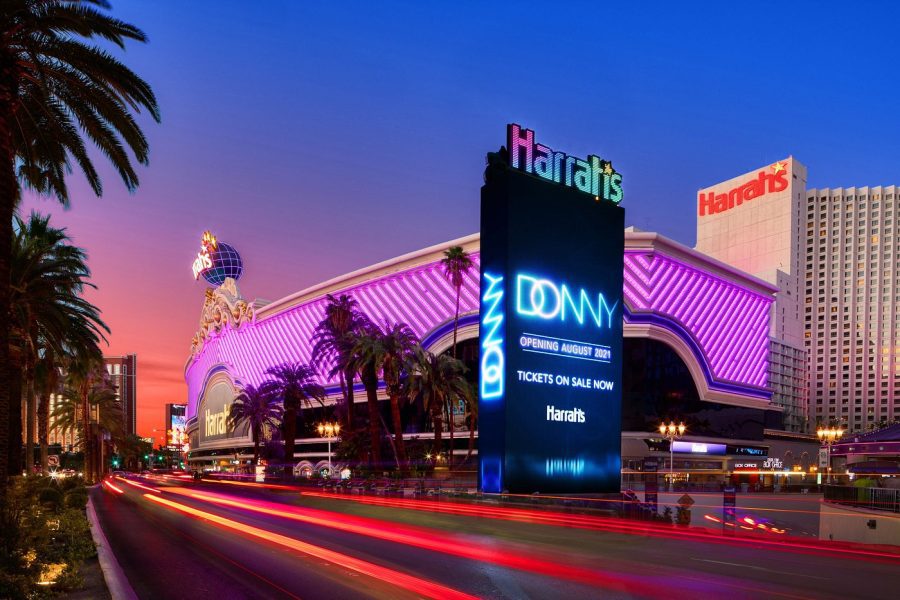
In Ocean’s Eleven (2001), the Strip becomes choreography. Bellagio’s fountains aren’t just scenery — they’re timing markers. Hallways, elevators, vault doors, security feeds — the city is cut into systems, and every system can be mapped.
But Nevada’s cultural image breaks the moment you leave that grid. Red Rock Canyon, just outside Las Vegas, shows up in everything from action films to car commercials as a sudden visual silence — red stone, empty air, no narrative pressure. It’s not “beautiful nature”; it’s a hard reset button the city keeps next to itself.
Lake Tahoe pulls Nevada into an entirely different register. In The Godfather Part II (1974), the lake becomes a quiet power center for Michael Corleone — a place where decisions about family, loyalty, and violence are made far away from the noise of New York and Las Vegas. The stillness of the water contrasts with the weight of what’s being decided inside the house overlooking it, making Tahoe feel less like a resort landscape and more like a controlled isolation chamber.
And then there’s Elvis Presley. His Las Vegas years at the International Hotel didn’t just define a residency — they reinforced the idea of Vegas as a place where identity can be staged nightly, repeated, and slightly rewritten with every performance. Not a concert setting, but a loop of reinvention.
That’s why Nevada in pop culture doesn’t function as a single image. It behaves more like a cut between environments: neon density you can almost hear, desert that swallows sound, and mountain silence that feels removed from both — all within a few hours of driving.