Oregon’s mix of city life and nature
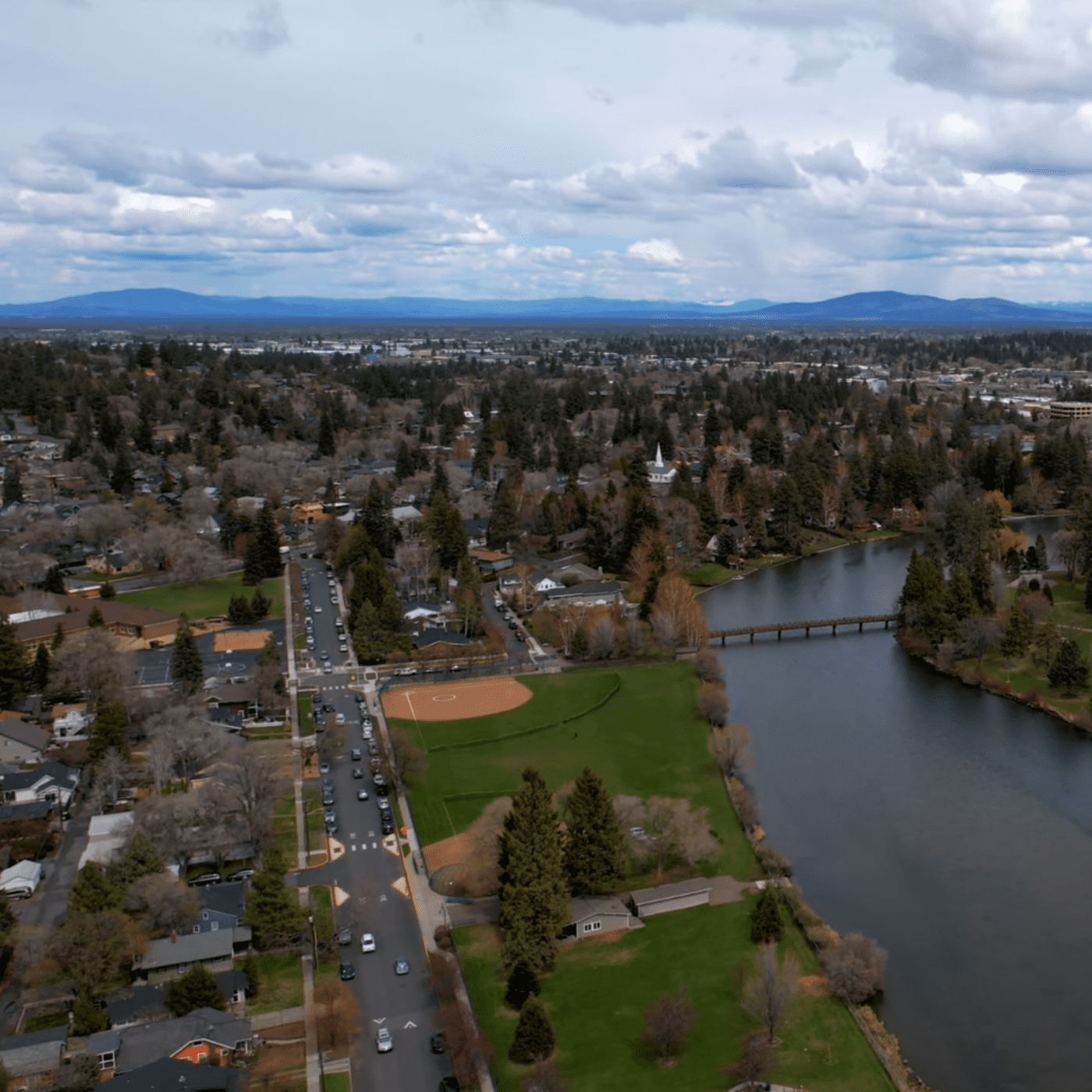
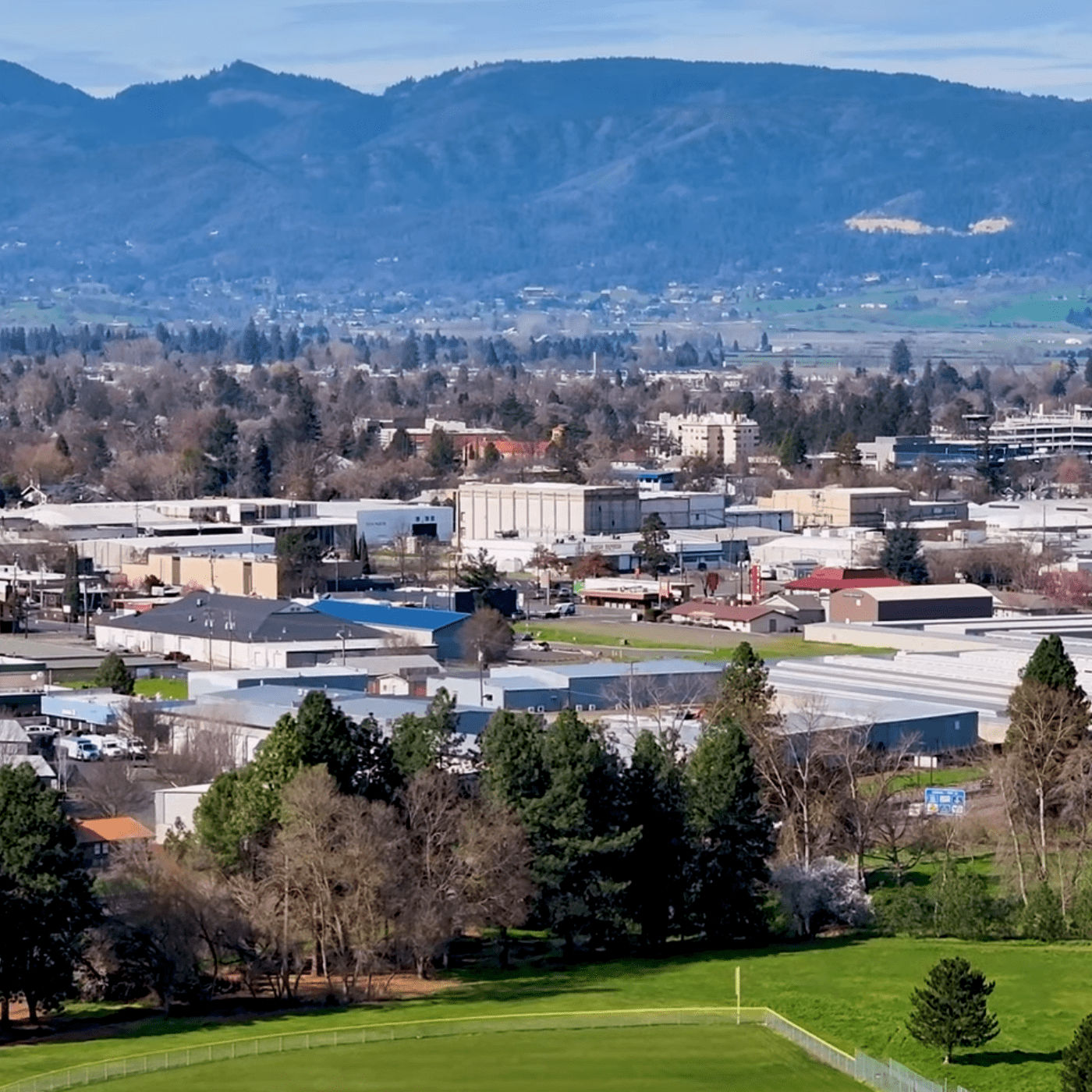
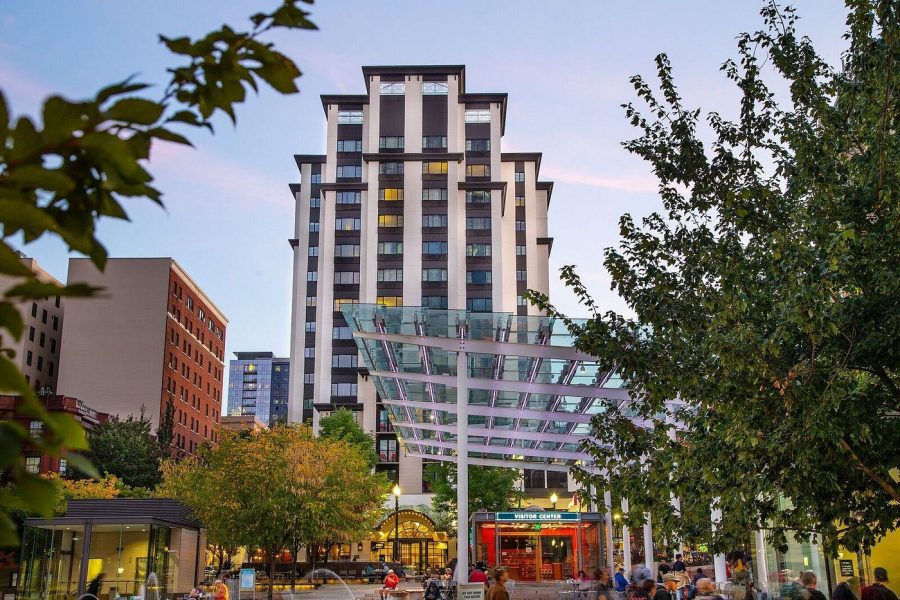
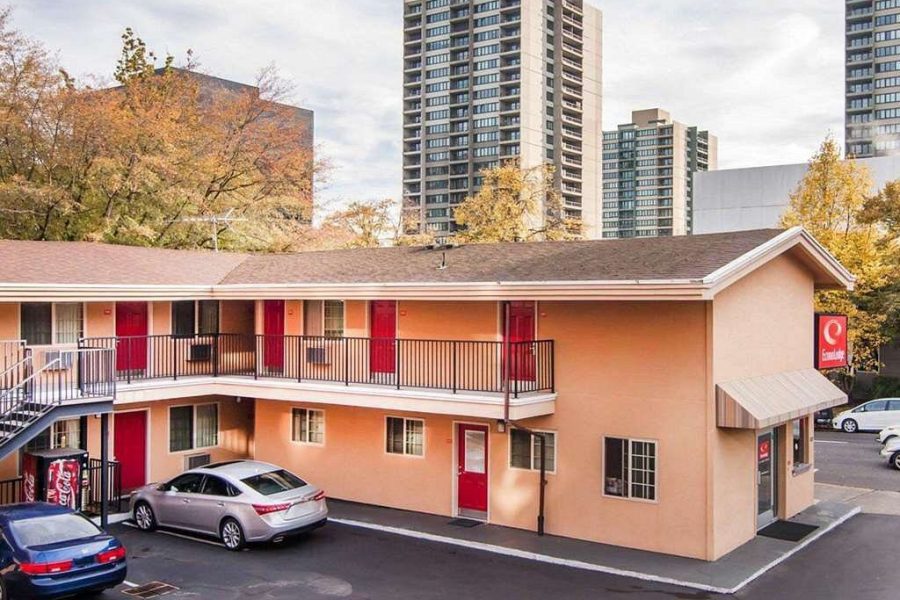
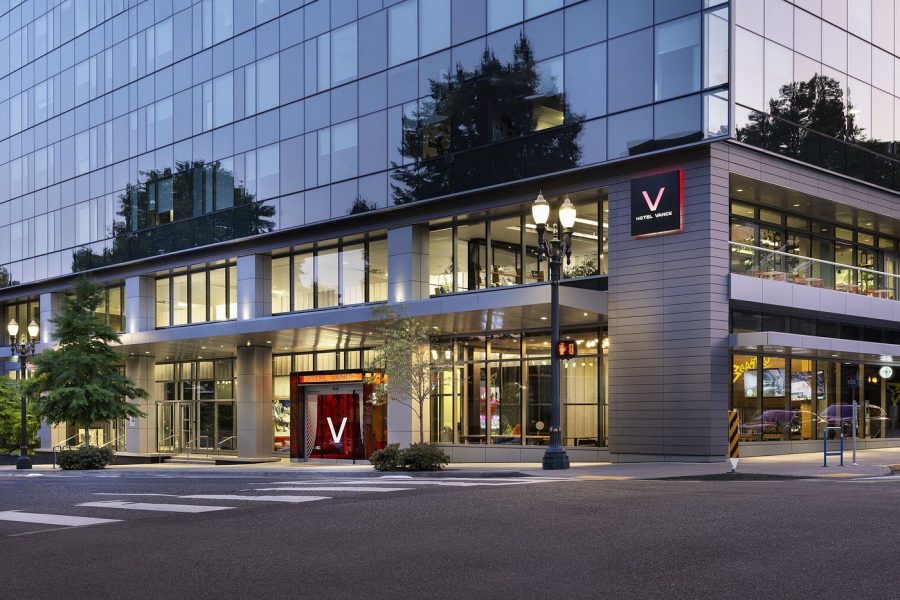
Oregon is a state where vibrant urban centers and natural landscapes sit unusually close together. From riverfront downtowns to creative districts surrounded by forests and mountains, it offers a different kind of city experience compared to most U.S. destinations. Staying at downtown hotels in Oregon puts you close to local restaurants, coffee culture, live music, and the everyday rhythm of each city.
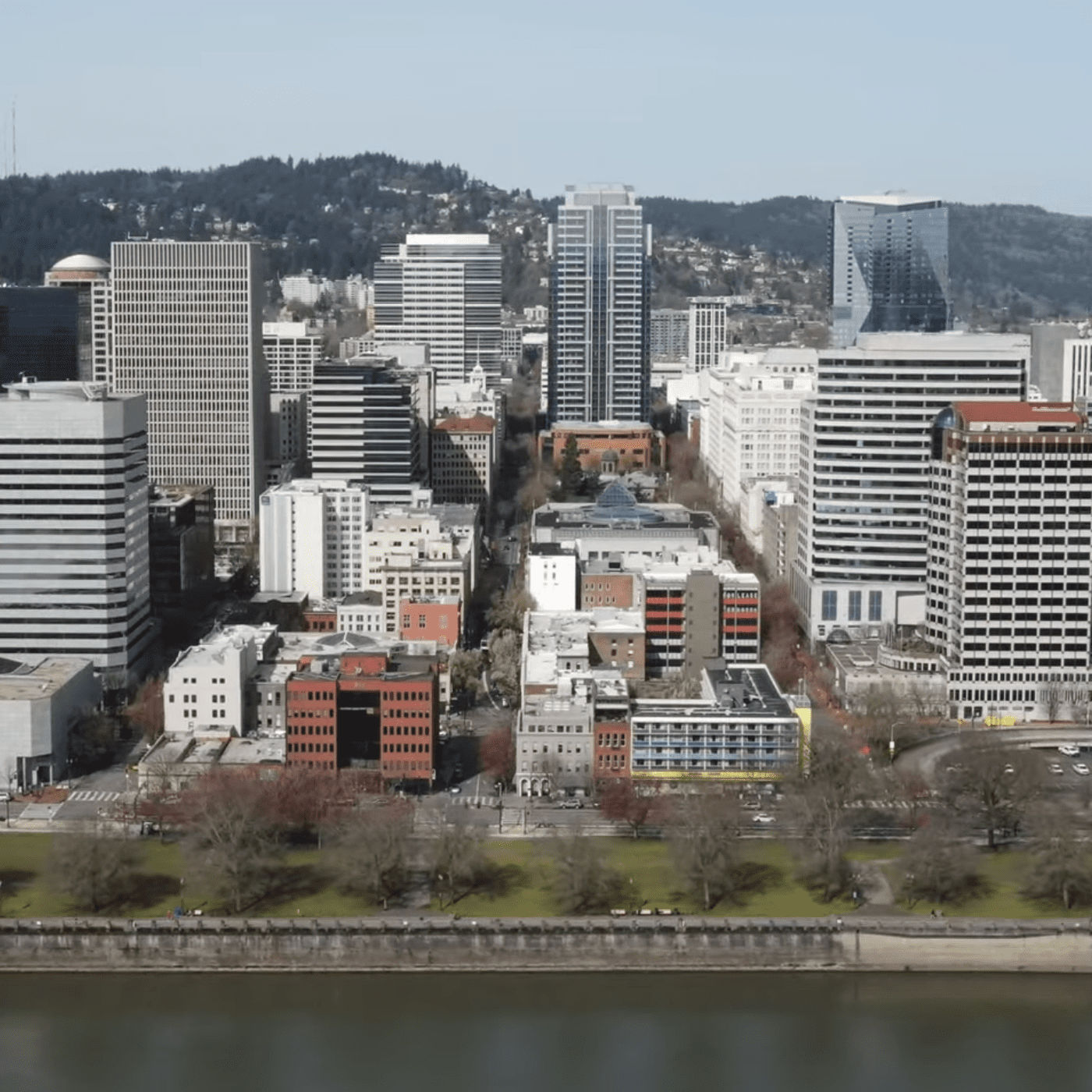
Downtown Portland – the cultural heart
Portland stands out for its walkable downtown, food scene, and strong creative identity. Visitors can explore independent bookstores, craft breweries, food carts, and neighborhoods that feel active throughout the day. It’s a city where staying downtown means you rarely need a car to get around.
Downtown Portland is known for its strong coffee and craft beer culture, with popular spots like Stumptown Coffee Roasters and Coava Coffee offering high-quality specialty coffee, while breweries such as Deschutes Brewery Portland Public House and local food halls like Pine Street Market bring together a wide range of restaurants, from casual street food-style bites to modern Pacific Northwest cuisine.
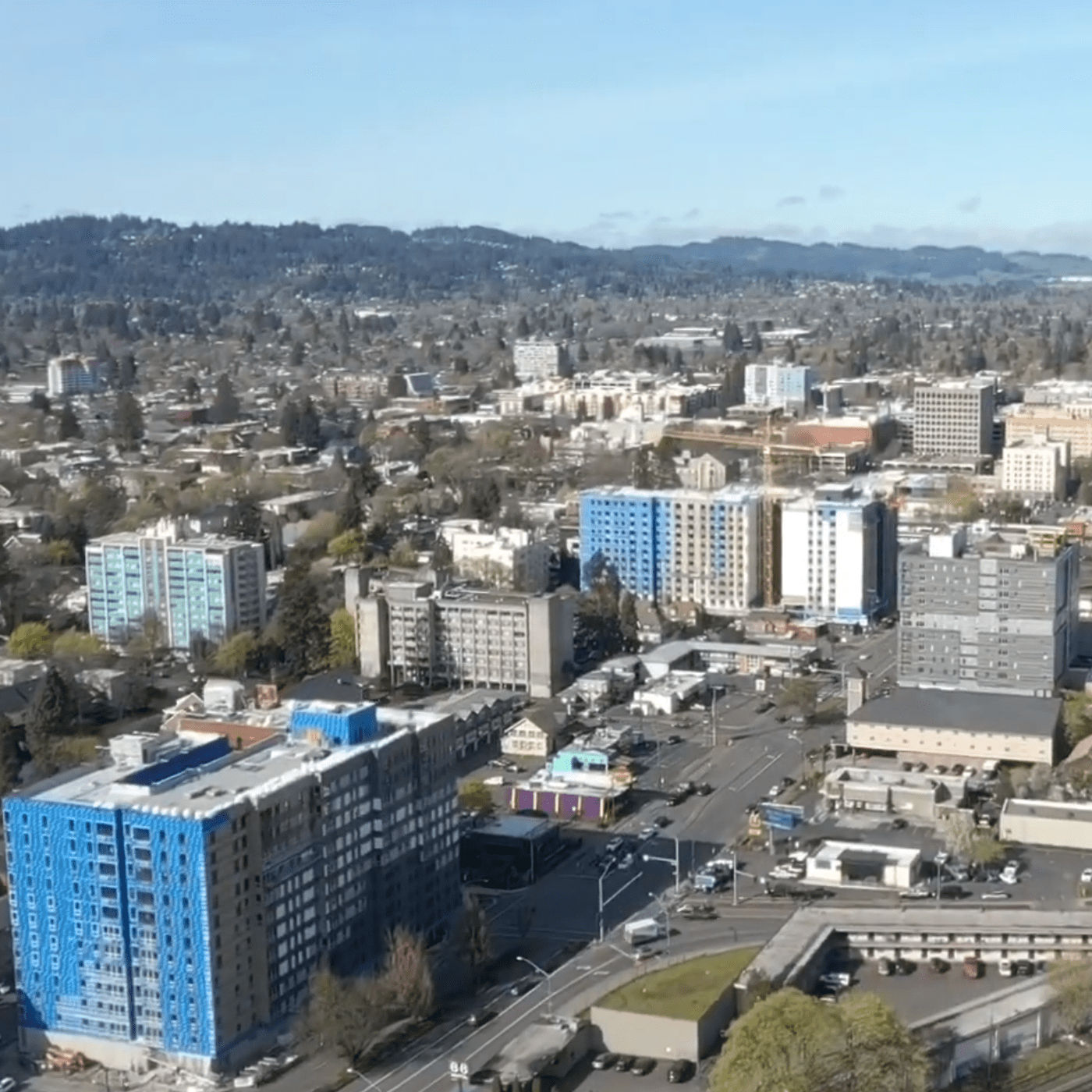
Eugene, Salem and the relaxed urban side of Oregon
Further south, Eugene offers a laid-back atmosphere shaped by its university and arts scene, blending casual dining with outdoor spaces nearby. Salem, the state capital, feels quieter and more traditional, with a downtown defined by historic buildings, government landmarks, and riverfront walks. Both cities provide a more relaxed alternative to Portland’s energy.
Eugene is home to the Jordan Schnitzer Museum of Art, a well-regarded university museum featuring contemporary and Asian collections, while Salem offers cultural highlights such as the Hallie Ford Museum of Art and the Oregon State Capitol, where visitors can explore exhibitions and learn about the state’s history and government.
Coastal towns like Astoria and the historic feel
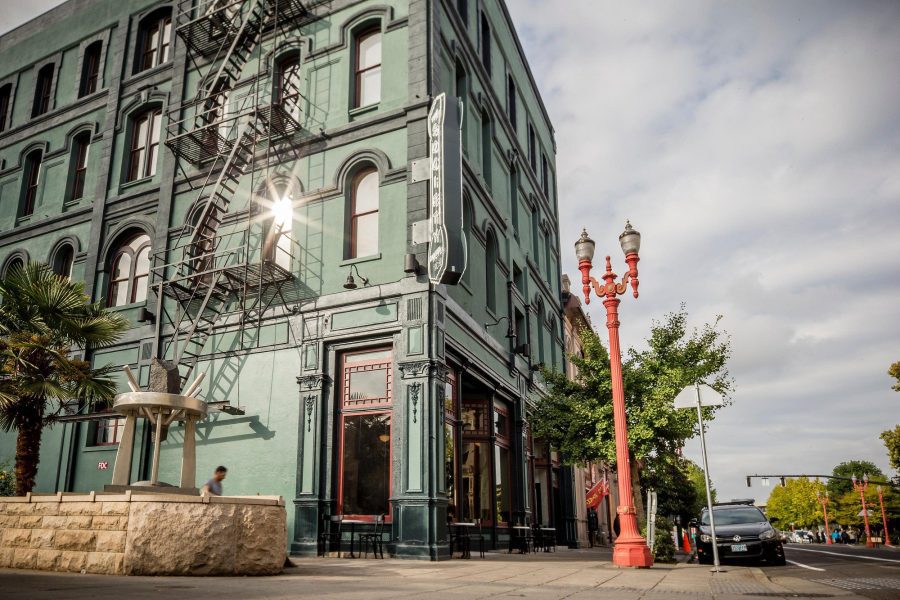
On the Oregon coast, places like Astoria add a completely different dimension. Here, downtown areas are smaller but full of character, with historic architecture, maritime heritage, and ocean air shaping the experience. It’s a slower pace, but still very walkable and atmospheric.
Why stay in downtown Oregon hotels
What connects all these destinations is convenience. Staying downtown means easy access to restaurants, shops, museums, and evening spots without long transfers or driving. Whether you’re in Portland for a weekend break or exploring smaller cities across the state, downtown hotels make it simple to experience Oregon at street level.