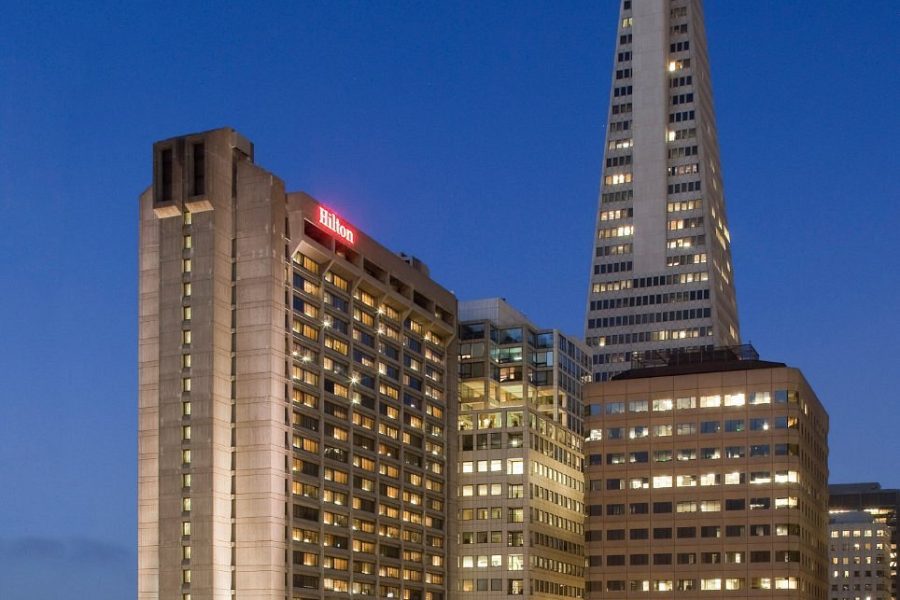
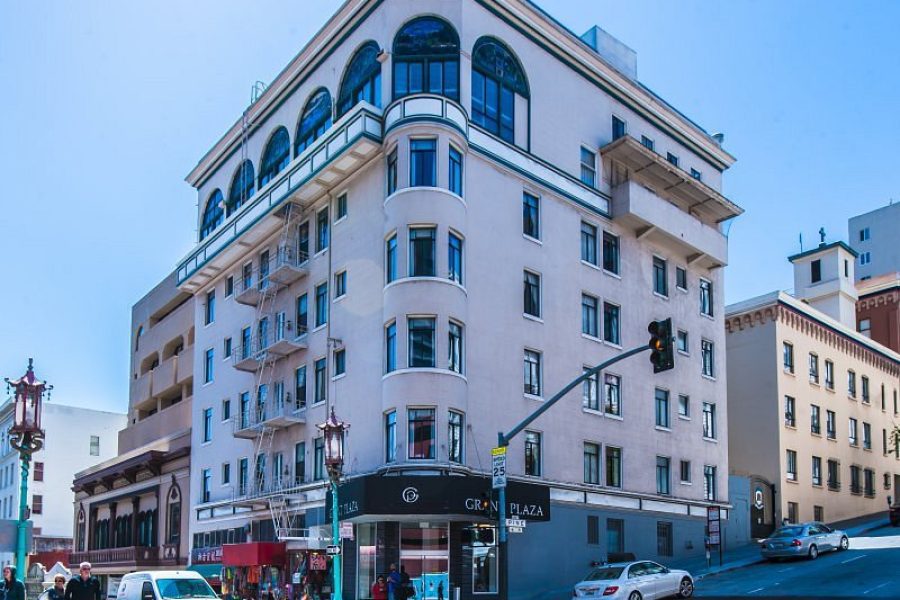
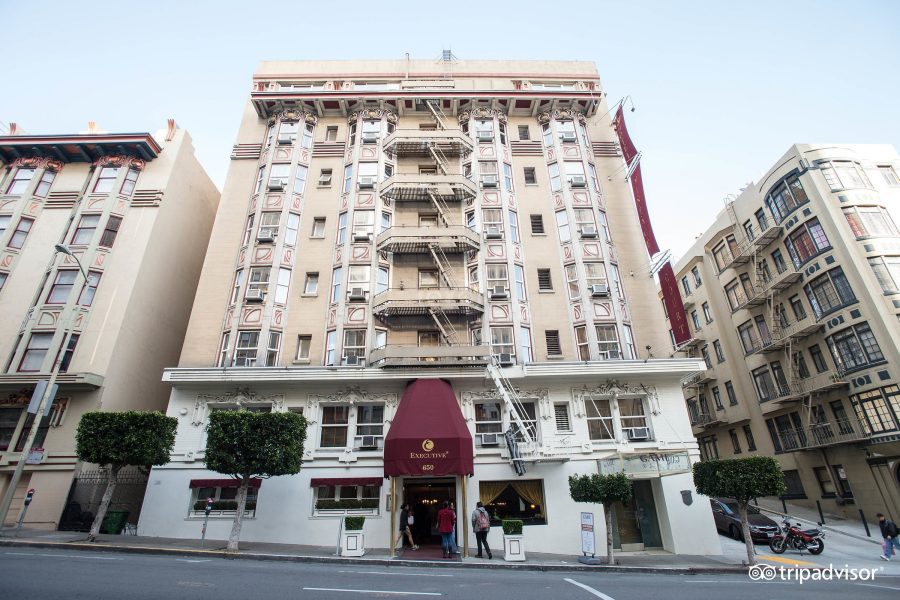
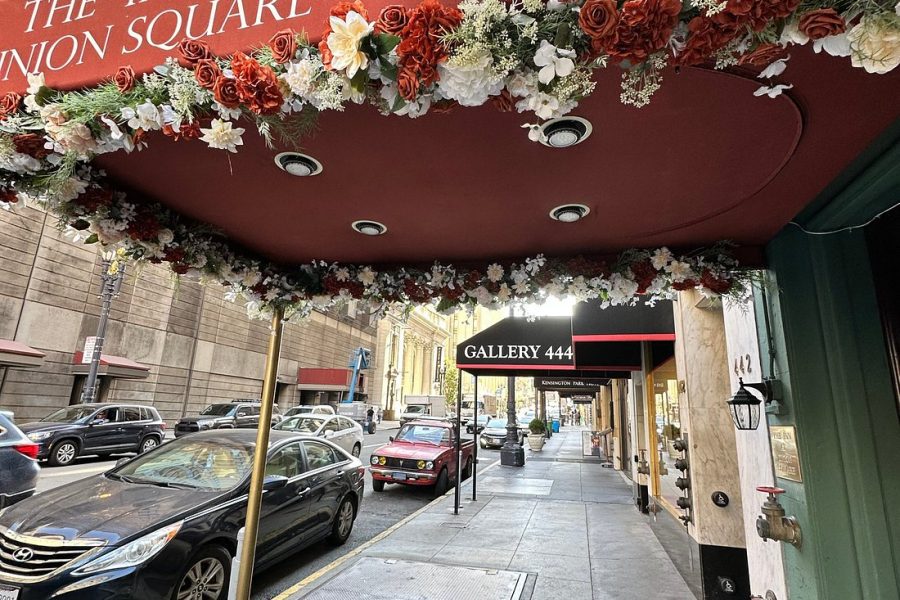
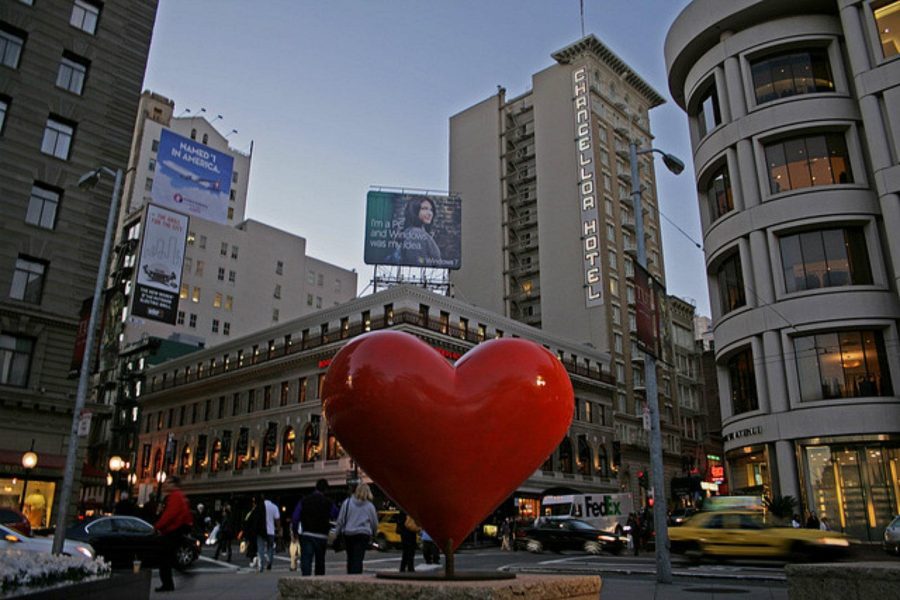
Stay near Union Square, SoMa, Financial District, and the Embarcadero for easy access to cable cars, waterfront, and the city’s main business and cultural areas
Downtown San Francisco is a compact but diverse area where neighborhoods shift quickly from one block to the next. The Financial District forms the city’s business core, while Union Square is centered around retail, hotels, and constant street activity. South of Market (SoMa) adds a more modern, mixed-use feel with museums, tech offices, and event spaces, and the Embarcadero opens the city toward the waterfront and the Bay. Staying downtown keeps you close to major transit lines, cable cars, and some of San Francisco’s most recognizable landmarks within a walkable central area.
San Francisco is shaped more by its natural terrain than by any traditional city grid, creating a layout defined by hills, water, and distinct neighborhood pockets. Instead of a single central core, the city spreads across a series of connected districts that each offer a different perspective on urban life. Visitors often move between waterfront areas, commercial centers, and residential neighborhoods, with geography playing a key role in how the city is experienced on a daily basis.
The Downtown San Francisco area functions as the city’s primary business and transport hub, centered around streets like Market Street and major transit connections. This is where high-rise buildings, corporate offices, and retail spaces are most concentrated. Key landmarks such as Union Square and the Financial District define this zone, creating a dense environment where shopping, business activity, and public transportation intersect within a compact area.
South of Market (SoMa) extends the downtown experience with a mix of modern development, museums, and entertainment venues. This area is known for its warehouse conversions, tech offices, and cultural spaces such as the San Francisco Museum of Modern Art. Hotels and restaurants are spread throughout, giving visitors a balance between urban energy and cultural exploration within walking distance of the central core.
On the northern waterfront, Fisherman’s Wharf represents one of San Francisco’s most visited districts, centered around Pier 39, seafood restaurants, and views of the bay. This area operates more as a leisure and sightseeing zone than a business district, with a strong focus on tourism, Alcatraz excursions, and waterfront experiences. It remains one of the most recognizable parts of the city for first-time visitors.
Above the downtown core, Nob Hill and nearby Pacific Heights offer a quieter and more residential perspective of San Francisco. Known for historic architecture, cable car routes, and panoramic city views, these neighborhoods provide a more relaxed stay while still maintaining relatively easy access to central districts. The atmosphere here contrasts sharply with the busier downtown streets below.
Most centrally located hotels in San Francisco provide convenient access to transit lines, waterfront areas, and major attractions across multiple districts. Visitors can move from business centers to cultural institutions and coastal viewpoints within a short time, making the city feel like a network of interconnected neighborhoods rather than a single continuous urban core.
San Francisco does not organize itself around a single central experience, which makes choosing where to stay more about understanding how the city is divided than about simple proximity. Each part of the city connects differently to transportation, waterfront access, and everyday urban life, so the location you choose directly shapes how you move through it.
The downtown and Union Square area functions as the most connected starting point, where transit lines intersect and where visitors can easily shift between shopping streets, business zones, and routes leading toward the bay. It works as a practical base rather than a destination in itself, offering access in almost every direction.
To the south, SoMa introduces a more contemporary layer of the city, where large-scale developments, cultural venues, and tech-oriented spaces define the environment. The area feels more spread out and modern, with a different rhythm compared to the denser downtown streets.
Along the northern waterfront, Fisherman’s Wharf creates a more focused visitor zone, where the city meets the bay through a concentration of piers, viewpoints, and tourism-driven activity. It operates as a self-contained experience centered on the water rather than city movement.
Higher elevation neighborhoods such as Nob Hill and Pacific Heights shift the perspective entirely, offering quieter streets and panoramic views that separate them from the commercial energy below. These areas provide a slower, more residential version of San Francisco while still remaining linked to central districts.
Ultimately, staying in San Francisco is less about picking a single “downtown” and more about choosing how you want the city to connect around you — through transit access, waterfront proximity, or elevated residential calm.
When deciding where to stay in downtown San Francisco, the choice is less about a single central area and more about understanding how different districts connect through geography, elevation, and transport lines. The downtown experience is not uniform — it shifts between dense commercial streets, waterfront activity, and quieter residential zones, each offering a different way to experience the city.
The downtown core around Union Square and the Financial District represents the most connected part of San Francisco. This is where hotels, retail streets, office towers, and major transit hubs come together in a compact area. Staying here means being close to cable car lines, subway connections, and walkable access to both shopping and business-oriented districts. It serves as the most practical base for navigating the wider city.
Just south of Market Street, SoMa extends the downtown experience into a more contemporary and mixed-use environment. This area combines museums, tech offices, entertainment venues, and converted warehouse spaces. Compared to the traditional downtown core, SoMa feels more open and spread out, but still maintains strong connectivity to central San Francisco through transit and walking routes.
On the northern waterfront, Fisherman’s Wharf offers a completely different atmosphere centered around the bay. This area is defined by piers, waterfront viewpoints, seafood restaurants, and tourist attractions such as Pier 39. It is more focused on leisure and sightseeing than business activity, with a strong emphasis on views of the water and access to bay excursions.
Above the downtown basin, neighborhoods like Nob Hill and nearby residential areas provide a quieter and more elevated perspective of San Francisco. These zones are known for historic architecture, steep streets, and panoramic views across the city and bay. While less directly connected to the commercial core, they still offer relatively easy access via cable cars and transit links.
Choose the downtown core if you want maximum connectivity and easy access to transport, shopping, and business districts. Choose SoMa if you prefer a more modern and cultural environment with museums and entertainment venues. Choose Fisherman’s Wharf if your priority is waterfront views and tourist experiences. Choose Nob Hill or nearby elevated areas if you want a quieter stay with scenic views while still remaining close to central San Francisco.
Not sure where to stay in San Francisco? Browse San Francisco Downtown Hotels and compare downtown areas, waterfront zones, and elevated neighborhoods to find the location that best matches your travel style and experience goals.