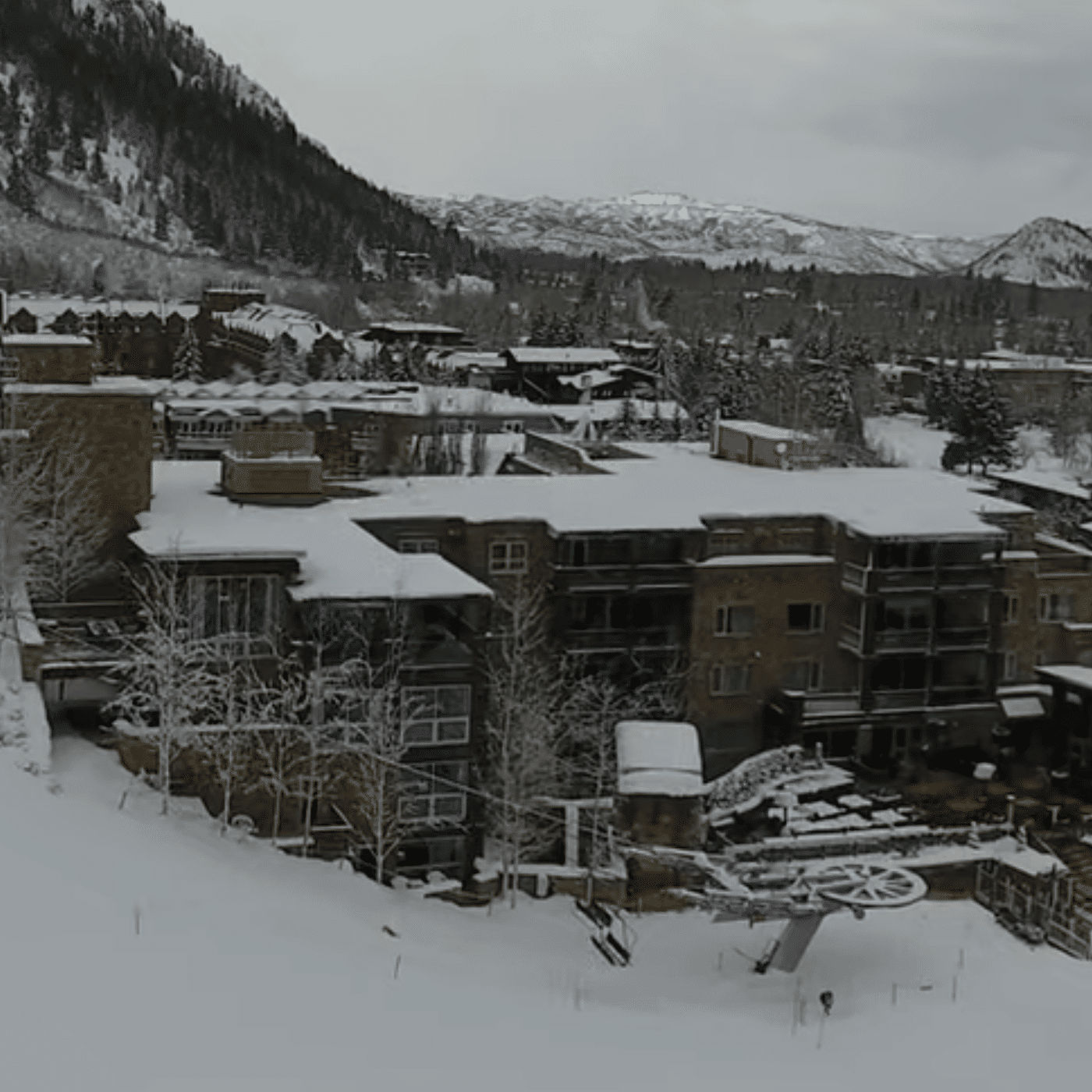
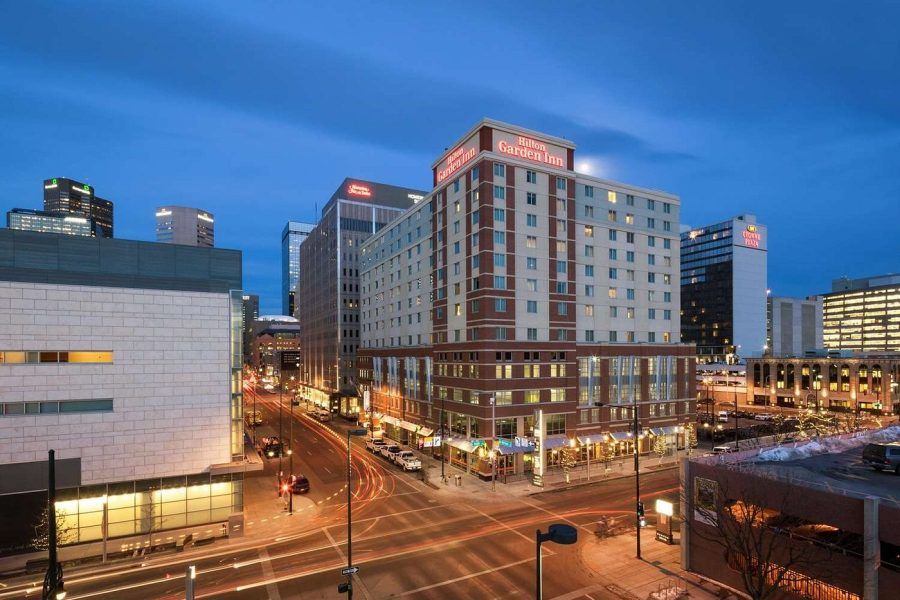
Colorado’s downtowns sit between city streets and mountain ranges. Staying there means urban life stays close, while the landscape is always in view.
Downtown Colorado – Cities Framed by Mountains, Not Walls
Colorado doesn’t separate its cities from nature in a clean way. Even in the middle of Denver, the skyline doesn’t feel complete without the mountains in the background. They aren’t a backdrop you ignore — they quietly shape how the city feels and moves.
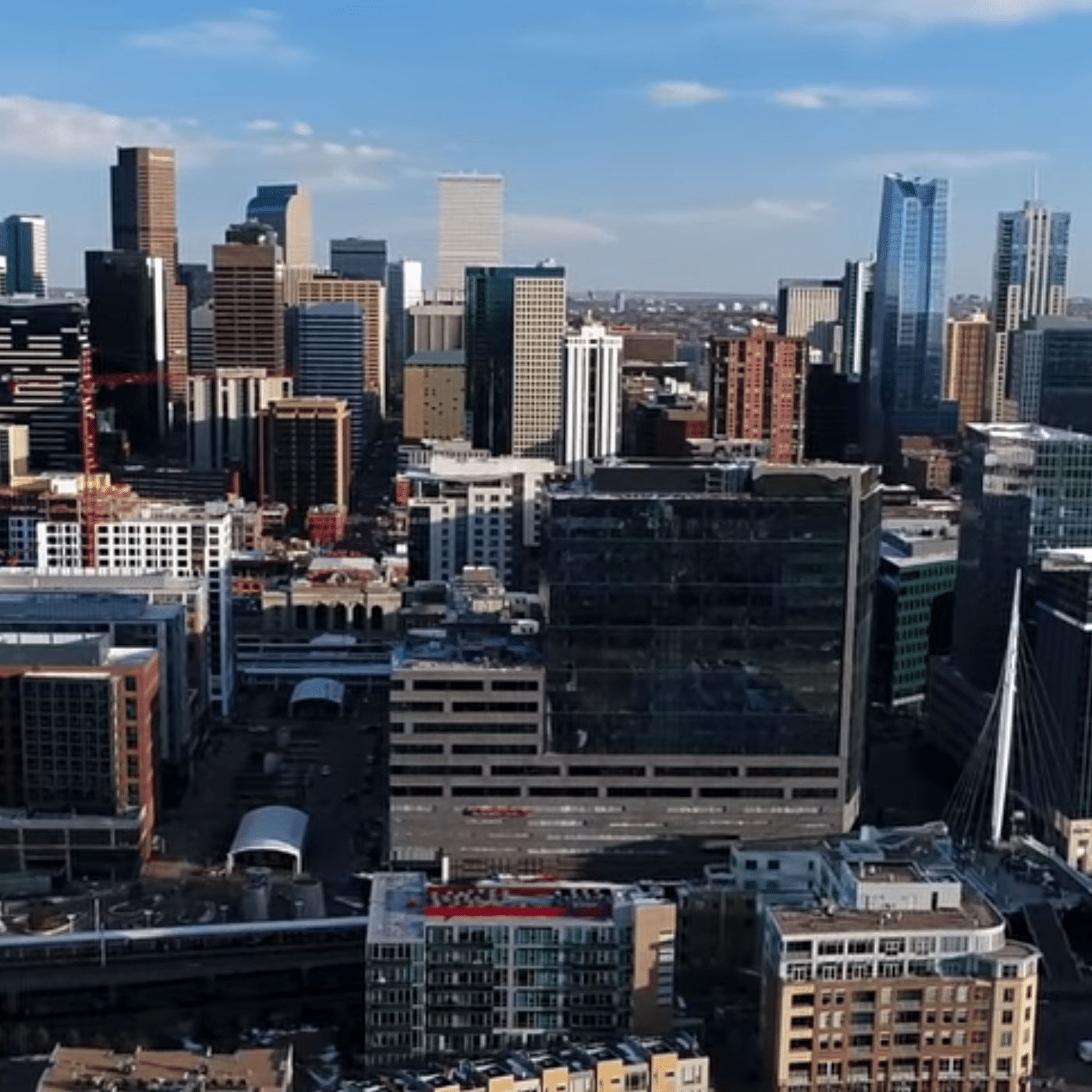
Denver is the most structured and fast-paced of the group, with a downtown that blends business towers, restored industrial blocks, and busy restaurant streets. But even here, the sense of space never fully disappears.
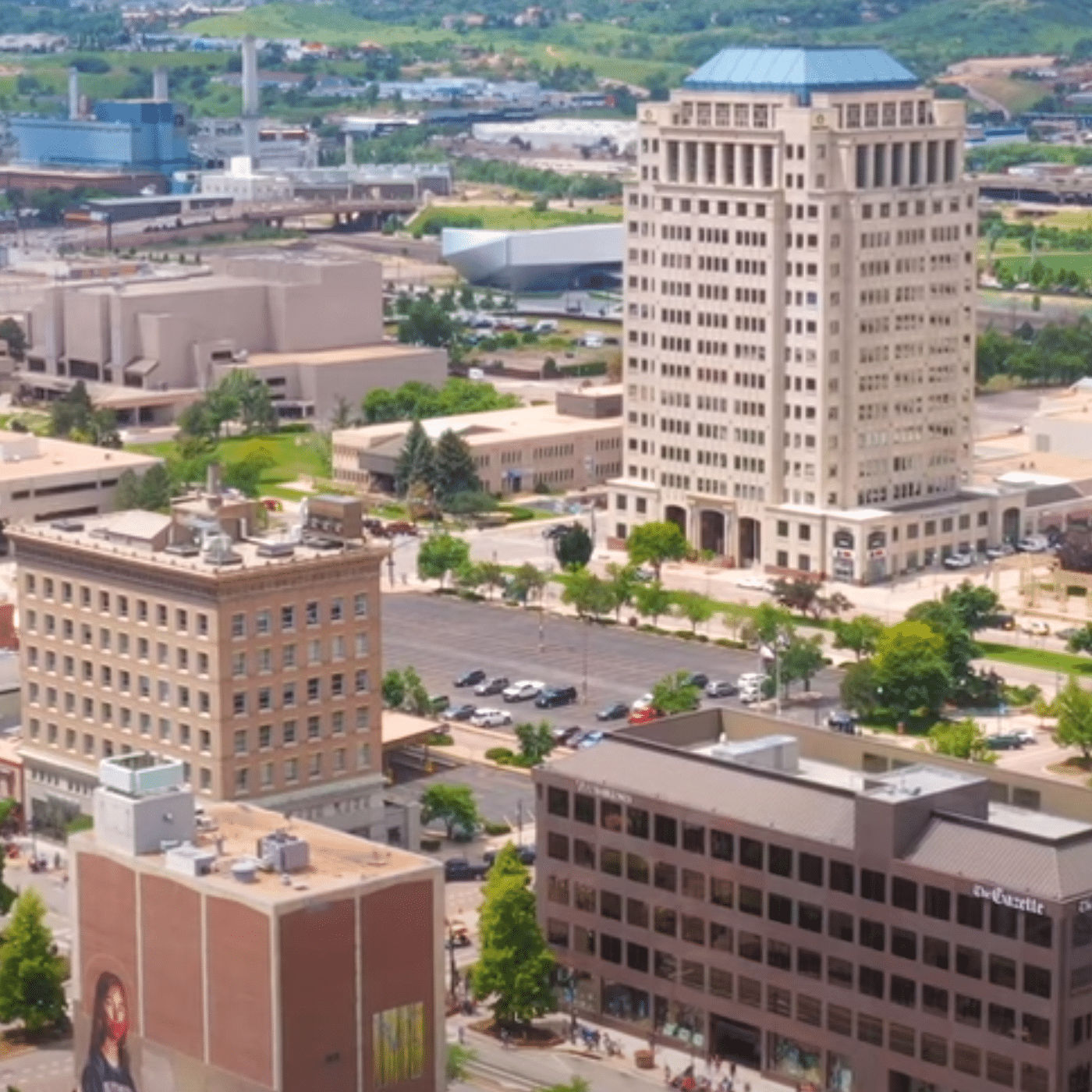
Colorado Springs feels more open and spread out. Downtown is less about density and more about access — to culture, local life, and the constant presence of Pikes Peak rising just beyond the city.
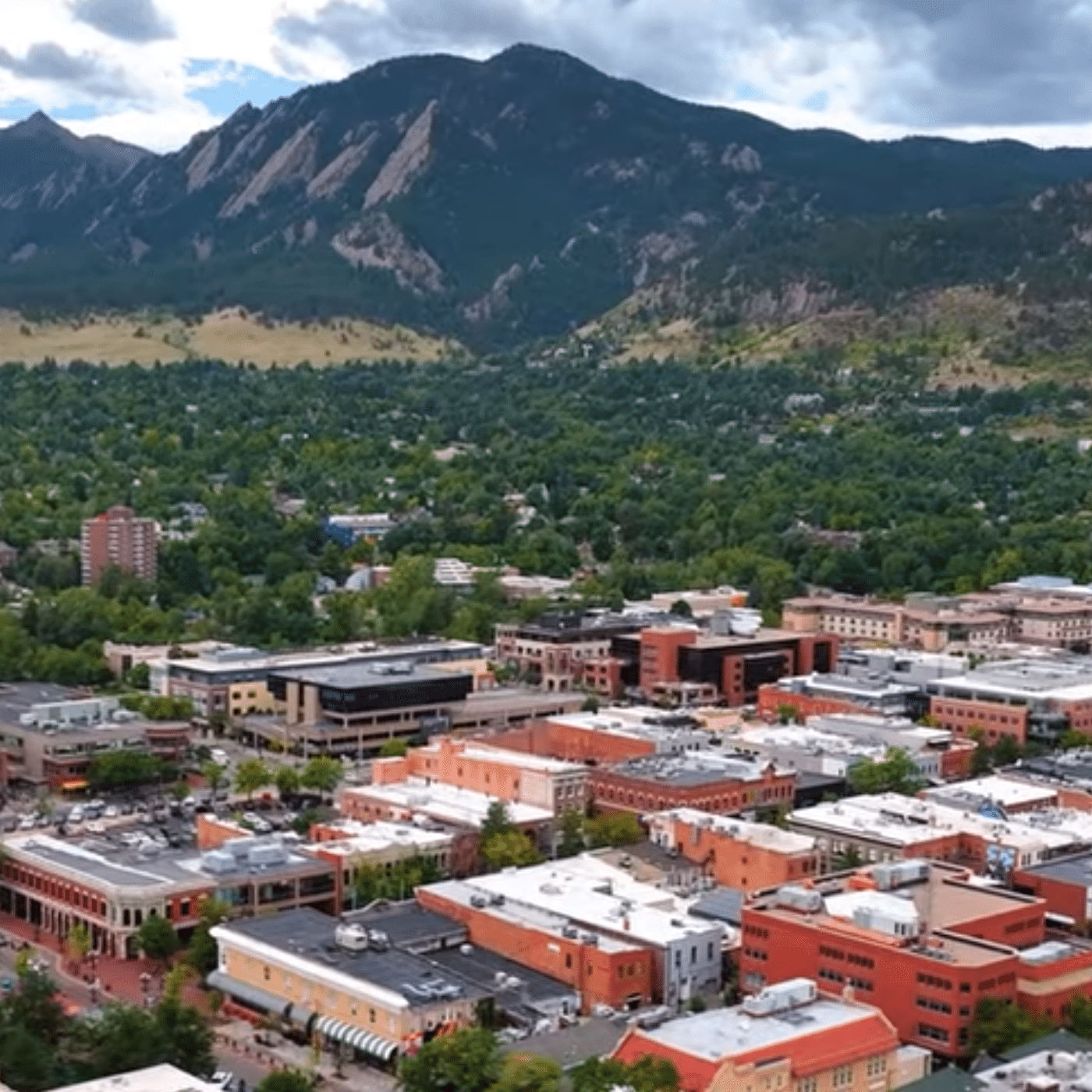
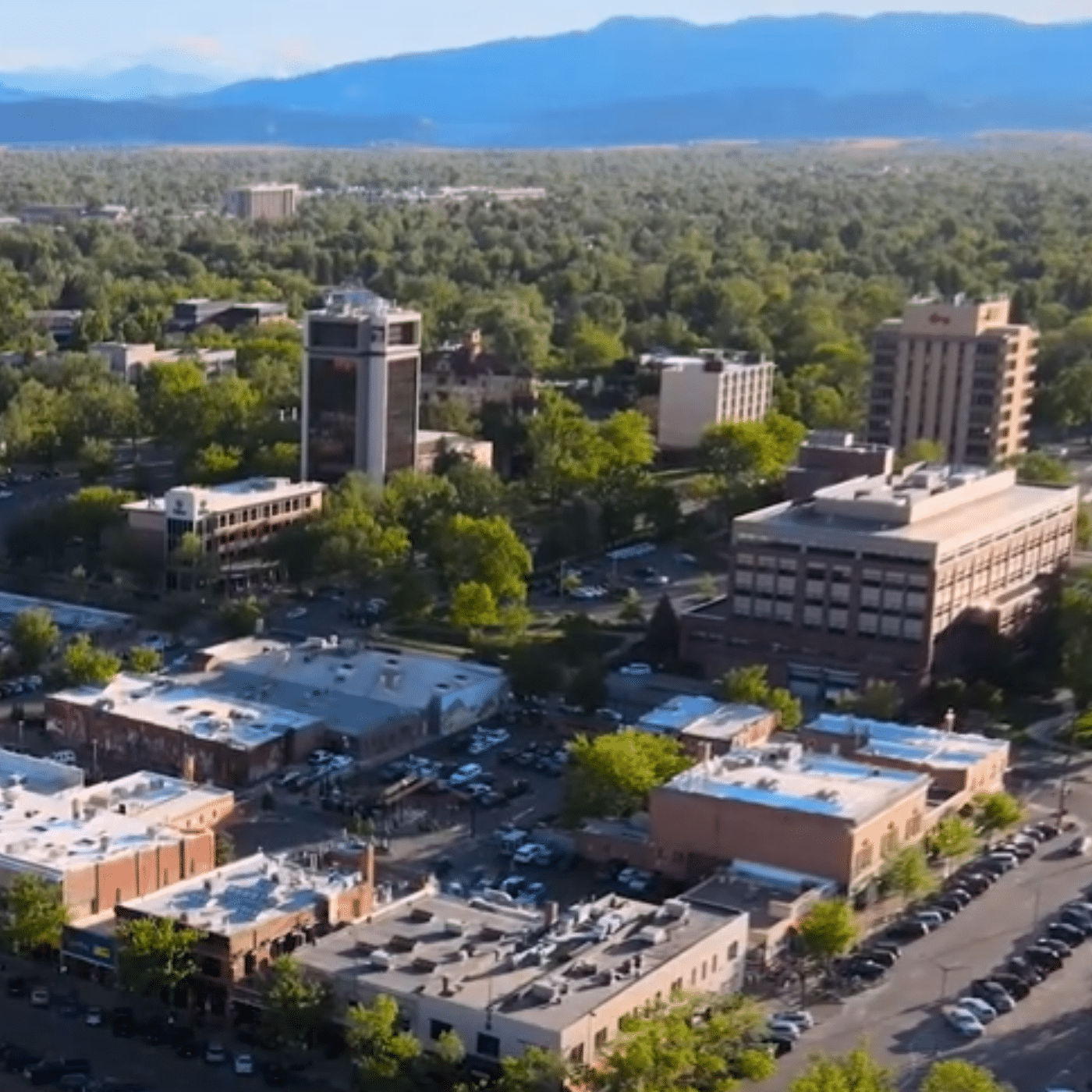
Boulder has its own rhythm entirely. It feels younger, lighter, and more horizontal. Downtown streets are walkable and relaxed, and within minutes the city shifts into trails and open land.
Downtown Hotels in Colorado – Staying Between City Life and Open Space
A downtown hotel in Colorado is rarely just about being “in the center.” It’s about positioning yourself between two environments that constantly overlap.
In Denver, that means staying near LoDo, where old brick buildings, modern hotels, and busy streets create a compact but energetic core. Everything feels close, but nothing feels enclosed.
In Colorado Springs, downtown stays are more functional and calm — a base rather than a destination. Restaurants, museums, and local streets are easy to reach, without the pressure of constant movement.
In Boulder, downtown is almost a continuous pedestrian space. Hotels blend into cafés, bookstores, and small businesses, and within a few blocks the city begins to dissolve into trails and open land.
Downtown Denver in the LoDo district feels like the most concentrated version of Colorado’s urban life. Historic brick streets around Union Station lead into a mix of restaurants and bars where places like Mercantile Dining & Provision and Rioja sit just a few blocks from long-standing local spots like My Brother’s Bar. Even cultural stops like the Denver Art Museum are close enough to fold into a short walk through the center.
In Boulder, downtown naturally follows Pearl Street, where the city feels more like a continuous pedestrian space than a traditional core. Restaurants like Frasca and The Kitchen sit alongside cafés such as Ozo Coffee, with the Boulder Museum of Contemporary Art adding a quieter cultural layer just off the main flow of people.
Colorado Springs moves at a different pace, with downtown spread along Tejon Street and nearby blocks. The Rabbit Hole sits underground as a more unusual evening stop, while Phantom Canyon Brewing and Four by Brother Luck reflect a more local, grounded food and drink scene, not far from the Colorado Springs Pioneers Museum housed in a historic civic building.
Across all three, downtown Colorado feels less like a fixed center and more like a sequence of streets where everyday life, food, and culture sit within easy reach — always with something larger, usually the landscape, just outside the frame.
Downtown Hotels in Colorado – Frequently Asked Questions
It’s the light and the space more than anything else. Even when you’re in the middle of Denver, the city doesn’t feel fully sealed in. You catch the mountains in the distance and it quietly changes your sense of direction — like the city always knows where the edge is.
Usually pretty straightforward and comfortable — not chaotic. You’ll have restaurants, bars, and people moving around, but it rarely feels overwhelming. It’s more about convenience than spectacle.
Yes, especially travelers. Locals often move between neighborhoods, but visitors tend to stay downtown because it keeps everything simple — food, transport, and access without long planning.
Sometimes yes, especially around LoDo or during events. But it never fully reaches that constant intensity you get in places like Chicago or New York. You can step out of a busy block and things calm down surprisingly fast.
Not really. Colorado Springs feels more spread out and practical, almost like a city that doesn’t try to compress itself. Boulder feels more personal — like downtown is just one part of a wider daily routine that includes nature by default.
Because you never lose visual reference to it. Even if you’re not going into the mountains, they’re still part of the skyline logic. It makes the city feel less like an isolated system and more like a pause inside a much larger landscape.
Colorado Downtowns in Pop Culture: Scenes You Recognize Without Realizing It
Colorado’s downtowns don’t usually act like movie stars. They appear in fragments — a street corner in the background, a hotel lobby, a diner at night — places where characters pass through rather than stay.
In The Shining (1980), Colorado is never really about the city itself. It’s about distance. Denver functions as a quiet threshold before the landscape takes over completely — long roads, empty air, and the sense that civilization is thinning out as you move deeper into the mountains. Downtown becomes the last familiar rhythm before everything turns unfamiliar.
In The Longest Ride (2015), parts of North Carolina get most of the emotional framing, but the Western road-trip structure that connects the story leans heavily on the same idea Colorado often represents in American film: transition. Places you stop in briefly, reset in, then leave behind. Even when Denver isn’t the main setting, Colorado’s urban spaces fit into that “in-between” role — not destination, but passage.
Music tied to Colorado works in a similarly understated way. Denver doesn’t present itself as a global music capital, but it has a steady, lived-in scene — smaller venues, packed weekend bars, and touring acts that treat the city as a reliable stop rather than a headline. And then there’s Red Rocks, just outside the downtown grid, where performances feel less like city events and more like something shaped by the rock formations themselves.
Even in South Park, Colorado is stripped down into something familiar and small-scale. The humor exaggerates it, but the underlying idea is consistent: life here often feels centered around modest downtown spaces surrounded by much larger geography.
That’s what Colorado’s downtowns tend to become in pop culture — not iconic city portraits, but functional spaces inside a larger story. Places where scenes happen briefly, naturally, and then move on without needing to announce themselves.
Downtown Omaha has changed considerably in recent years. What was once primarily a business district is now a combination of historic streets, restaurants, cultural venues, sports facilities and a redesigned riverfront. It is also one of the most practical parts of Omaha for visitors who want to explore the city without spending the entire trip […]
Salt Lake City is one of the few cities in the world where the Olympic Games never really ended. More than two decades after the 2002 Winter Olympics, the city still lives with the infrastructure, memories, venues, and international reputation created by the Games. In 2034, the Winter Olympics and Paralympics will return to Utah, […]
Long before Downtown Billings became a place for restaurants, breweries, museums, and hotels, it was a bet on a railroad. The city grew so quickly that people began calling it the “Magic City.” There is a moment in the history of many American cities when geography stops being destiny. A place that had been little […]