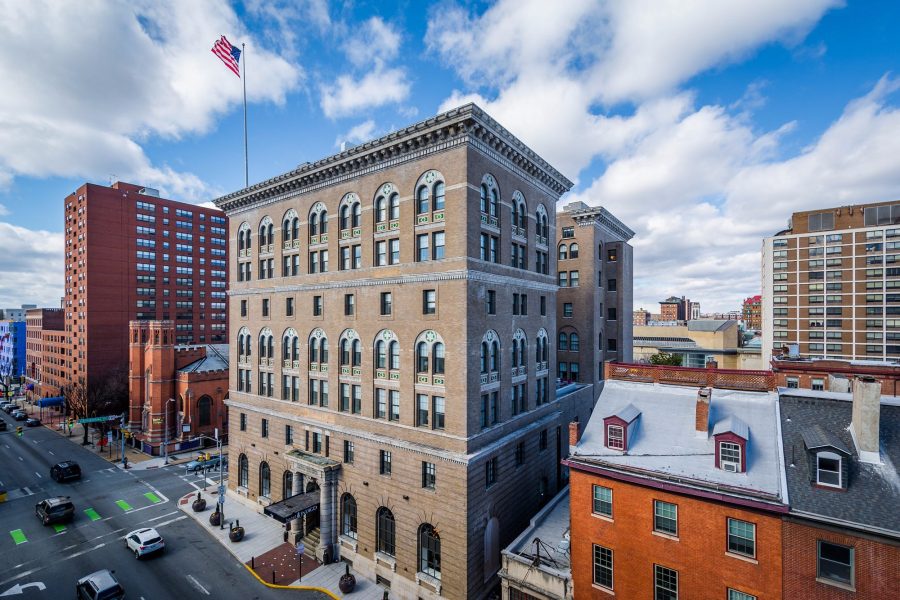
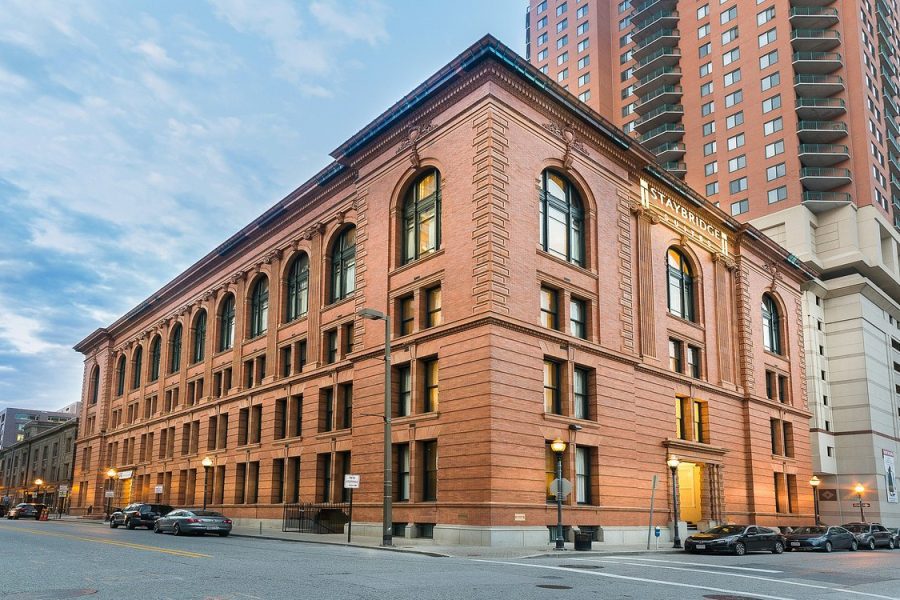
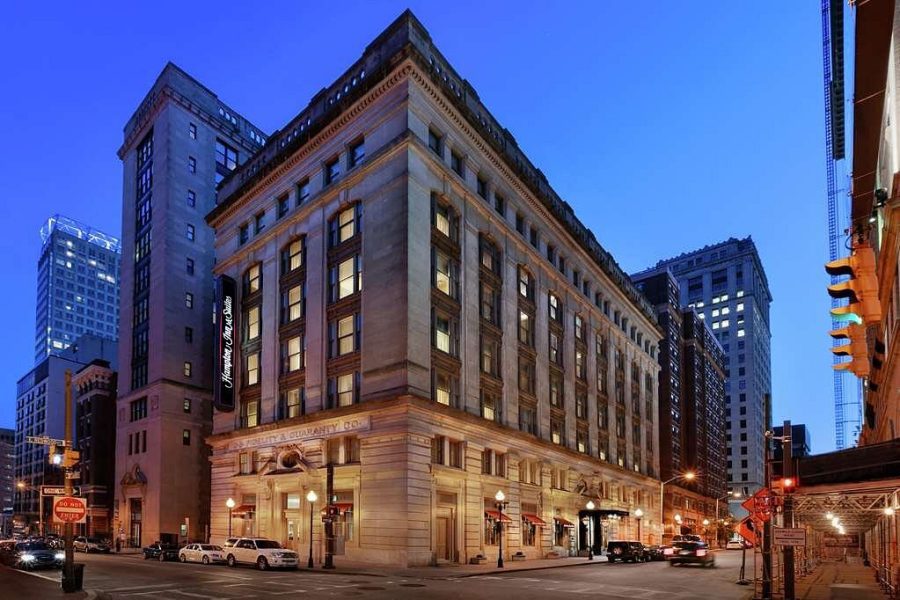
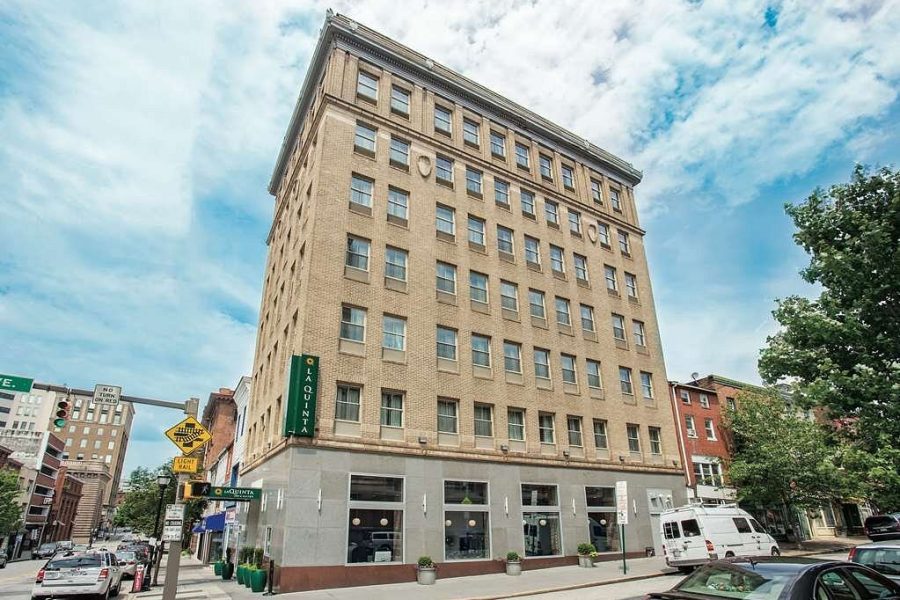
Stay near the Inner Harbor, Fells Point, and Harbor East for easy access to waterfront attractions and downtown Baltimore
Downtown Baltimore Hotels and the Shift From Waterfront to City Blocks
Downtown Baltimore is centered around the Inner Harbor, a defining waterfront area where the city’s maritime history meets its modern urban core. The harbor area concentrates many of the main hotels, restaurants, and attractions, all within a short walking distance along the waterfront promenades. Just a few blocks inland, the city shifts into quieter streets with brick buildings, local businesses, and a more residential atmosphere. Staying downtown offers a clear contrast between the active Inner Harbor and the more traditional city neighborhoods nearby, all within a compact and walkable area.
What Travelers Should Know Before Staying in Downtown Baltimore
Downtown Baltimore works best for travelers who want to stay close to the water and experience the city’s most recognizable area—the Inner Harbor, waterfront promenade, historic ships, and restaurants that define the local rhythm. Everything here is concentrated within a compact walking distance, which makes it especially practical for short stays.
The area also appeals to visitors who prefer a city with visible contrasts rather than a uniform downtown core. Compared to cities like New York City, Baltimore feels more segmented, with noticeable changes in atmosphere within just a few blocks.
Because of this structure, hotel location matters more than hotel category. Two properties that appear close on a map can offer completely different experiences depending on whether they are directly facing the waterfront or positioned a few streets inland.
What most travelers get wrong in Baltimore
One common mistake is treating “downtown Baltimore” as a single, consistent area. In reality, the experience changes quickly depending on the exact block.
A hotel that looks close to the Inner Harbor on a map may actually sit outside the main waterfront zone, where the atmosphere is quieter and more residential. On the other hand, some properties slightly farther away may be located in more modern and structured areas like Harbor East.
Another frequent issue is choosing based only on price. In Baltimore, small changes in location often matter more than hotel category or rating.
Watch Real Hotel Videos in Downtown Baltimore
What makes downtown Baltimore different from other U.S. cities
Downtown Baltimore doesn’t follow the continuous high-density pattern seen in cities like Chicago or New York City. Instead, it is organized around distinct pockets, with the Inner Harbor acting as the main focal point.
The waterfront plays a central role in shaping movement, hotel placement, and visitor activity. Just a short walk away, the environment shifts into quieter streets, business districts, and older residential blocks.
This creates a downtown that feels less uniform and more segmented, where experience depends heavily on micro-location rather than the city center as a whole.
Downtown Hotels in Baltimore – Frequently Asked Questions
Inner Harbor is better for first-time visitors who want to be close to attractions, while Harbor East offers a quieter, more upscale stay just a few minutes away.
Yes, most major attractions like the National Aquarium and waterfront promenade are within walking distance from Inner Harbor hotels.
The main waterfront areas—Inner Harbor, Harbor East, and Fells Point—are generally considered the most comfortable for visitors.
Compared to major downtowns like New York City, Chicago, or Philadelphia, Baltimore stands out for its waterfront-focused layout and more fragmented neighborhood structure. Instead of one dense, continuous urban core, downtown Baltimore is built around distinct areas like the Inner Harbor, Harbor East, and Fells Point, each with a very different feel within a short walking distance.
Yes, if you want nightlife and local atmosphere. It feels more historic and lively than the main waterfront areas of Baltimore.
Generally yes. It is one of the more upscale parts of downtown Baltimore, with newer hotels and higher-end dining.
Prices depend more on exact location than distance. Waterfront and Harbor East hotels are usually more expensive than nearby inland blocks.
No, not if you stay in central areas. Inner Harbor, Harbor East, and Fells Point are walkable for most short trips.
Why downtown Baltimore feels like a waterfront-first city
Downtown Baltimore is structured around the Inner Harbor, which functions as the primary reference point for most visitor activity. Hotels, restaurants, and public spaces are heavily concentrated along the waterfront, making it the most influential factor when choosing accommodation.
As you move away from the harbor, the environment changes quickly. Streets become quieter, and the area shifts toward residential and business use rather than tourism.
This creates a clear distinction between waterfront-facing properties and inland blocks, where the atmosphere feels more local and less visitor-oriented.
Compared to cities like Chicago or New York City, where downtown areas are defined by continuous density, Baltimore is more segmented, with distinct zones that vary significantly within short walking distances.
How Downtown Baltimore Hotels Compare to Other Major U.S. Cities