Find best downtown hotels across Arizona’s cities, with stays close to attractions and nightlife. Experience comfort and convenience in the Southwest
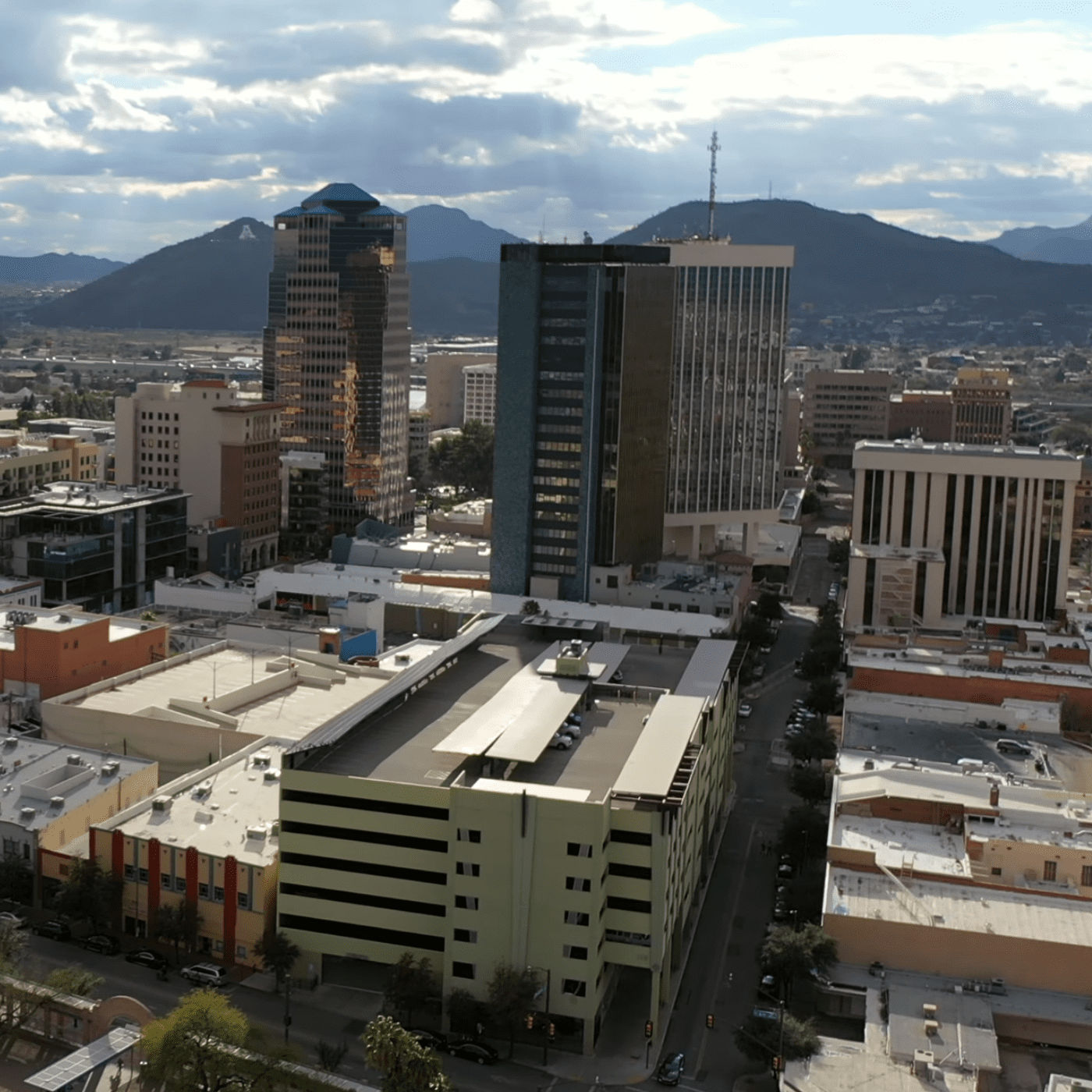
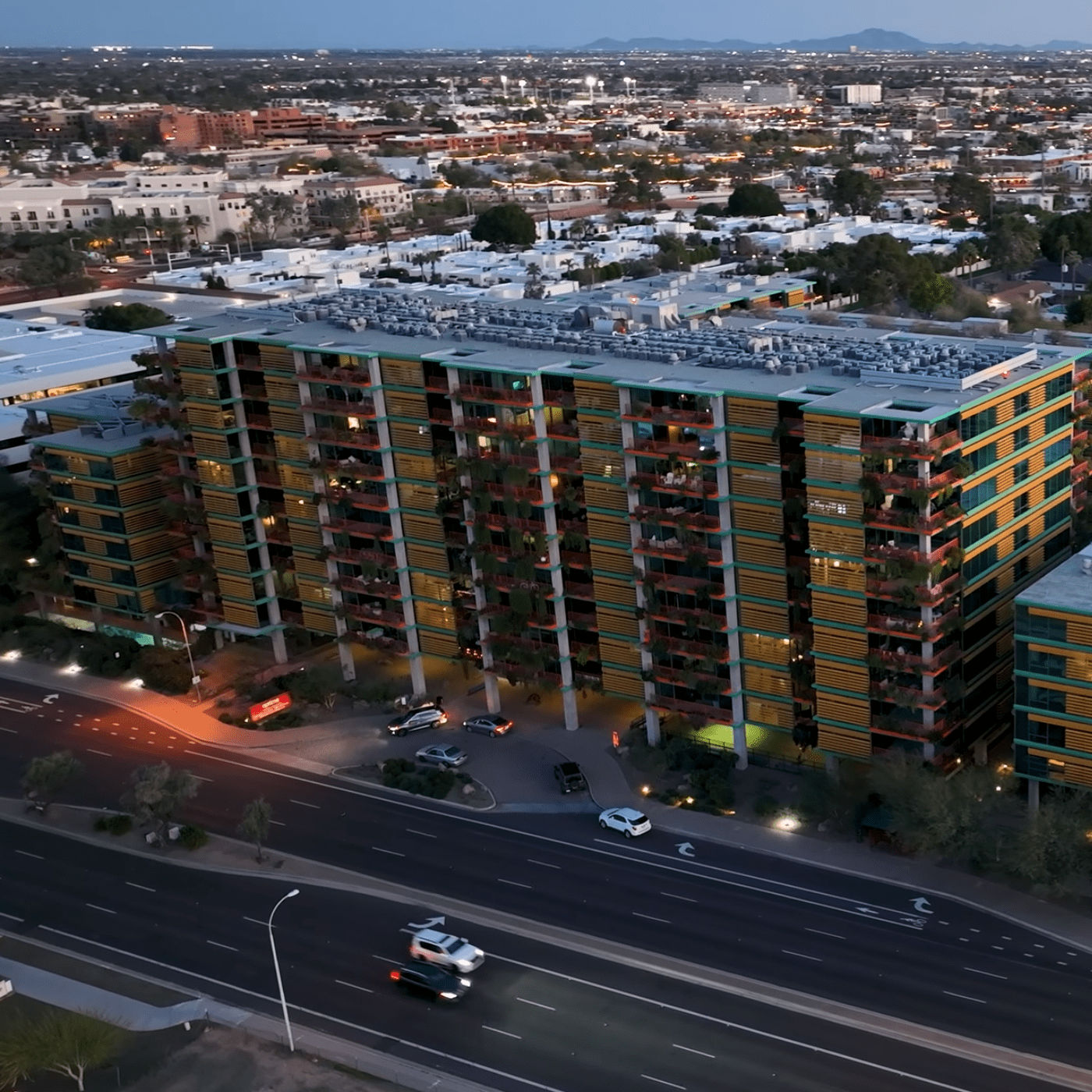
Arizona combines fast-growing urban centers with historic downtown districts shaped by desert climate, migration, and tourism. From Phoenix’s dense business core to Tucson’s older cultural streets and Scottsdale’s polished city center, each offers a different way to experience the Southwest from the inside. Phoenix downtown, especially around Roosevelt Row, shifts noticeably after sunset, when street-level restaurants, galleries, and bars fill the grid of Central Avenue and surrounding blocks. In Tucson, Congress Street becomes the main pedestrian spine in the evening, with a mix of historic buildings, live music venues, and late-night local bars concentrated within a short walkable stretch. Scottsdale’s Old Town feels more compressed and curated, where pedestrian streets around Scottsdale Road and Indian School Road stay consistently active with restaurant patios and nightlife well into the night.
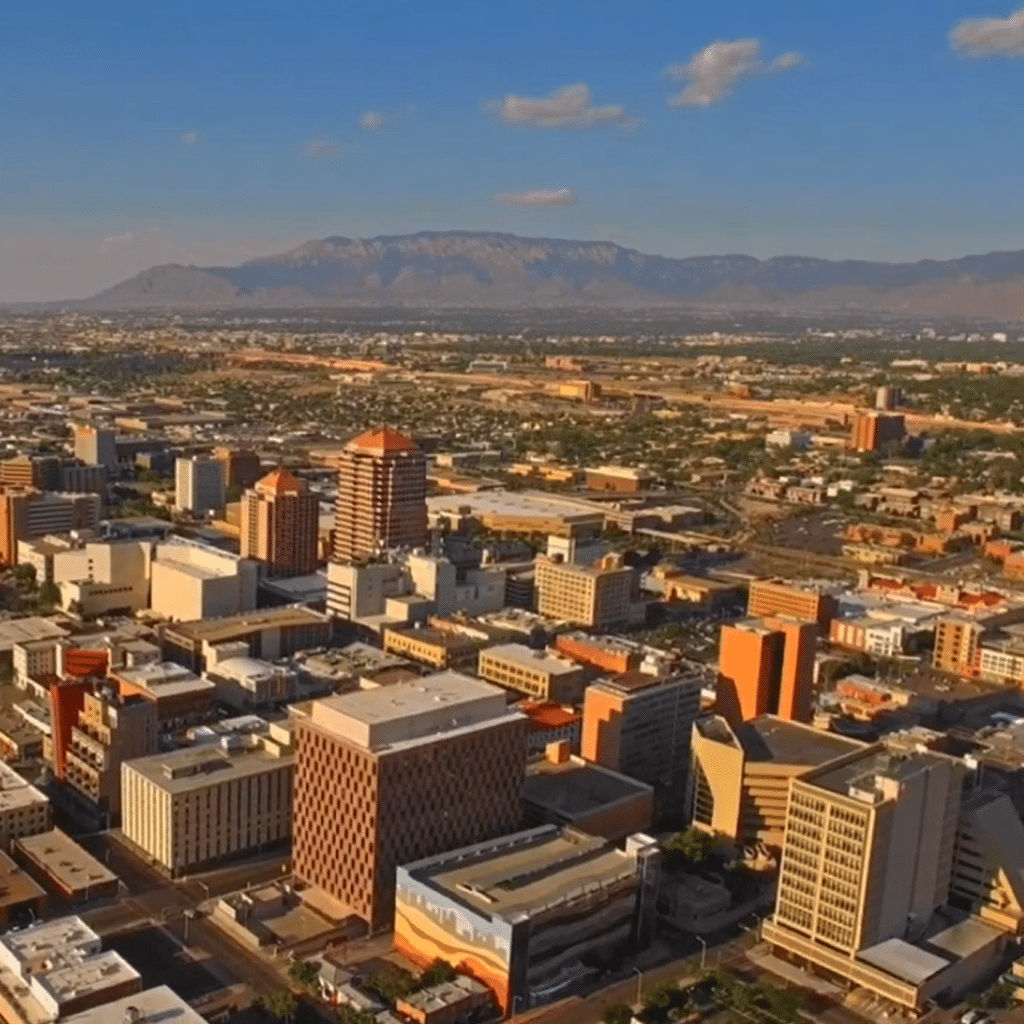
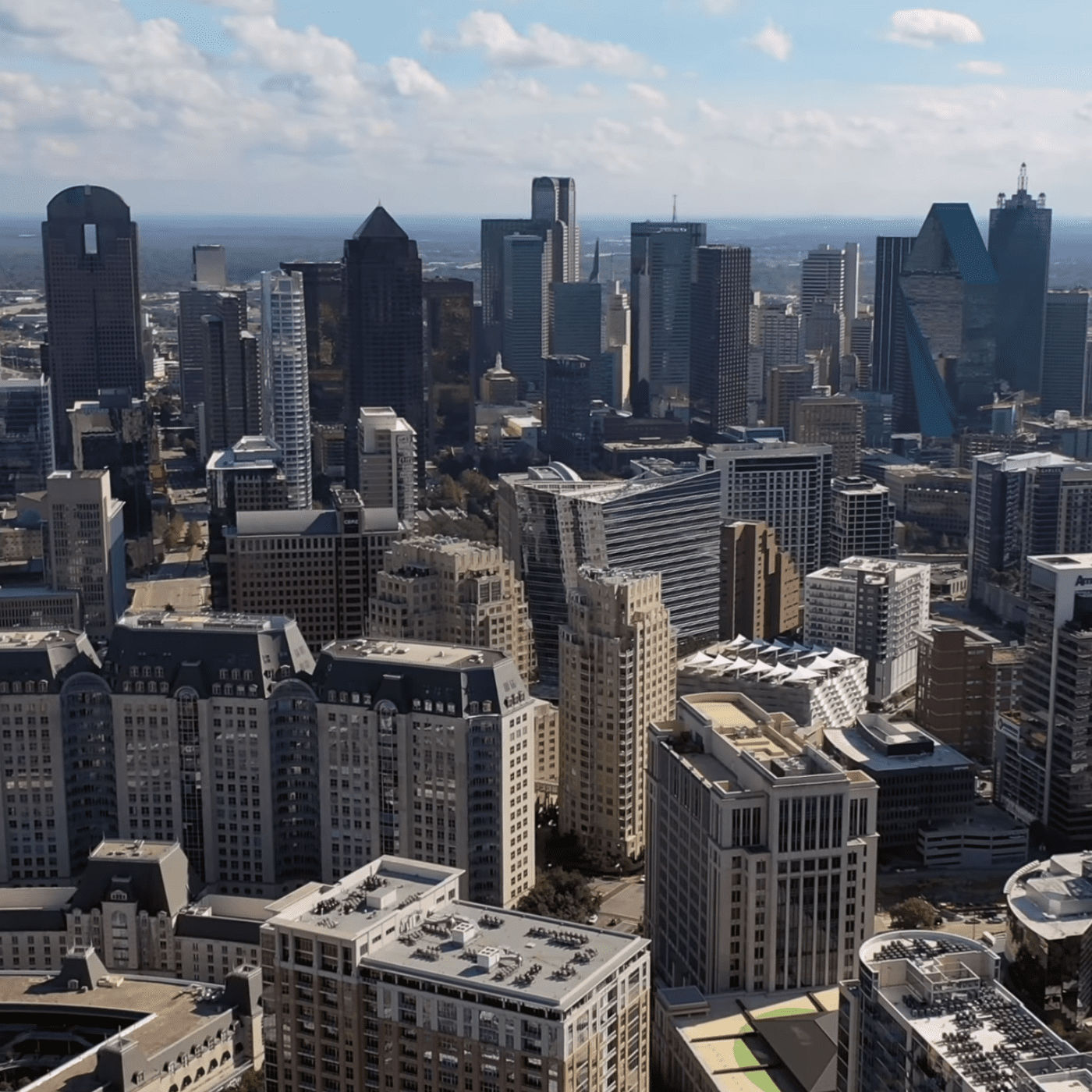
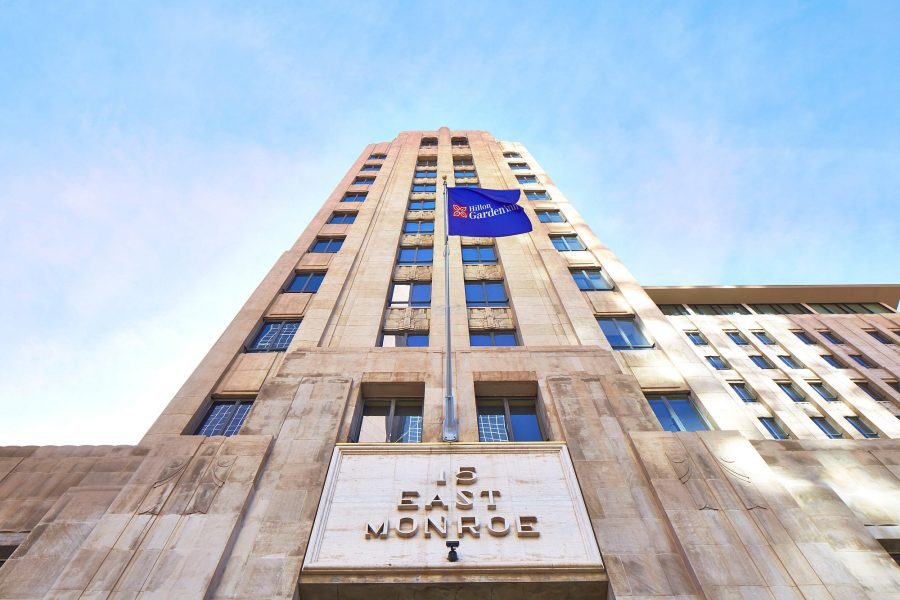
Arizona’s downtown hotel scene reflects the state’s urban core, where business districts, historic streets, and modern developments meet. From Phoenix’s high-rise center to Tucson’s older city blocks, these areas offer stays shaped by city life, local culture, and easy access to dining, entertainment, and key attractions. Unlike resort zones outside the cities, these downtown areas function as lived-in urban environments — where hotels sit directly within walking distance of daily city rhythm rather than isolated leisure infrastructure.
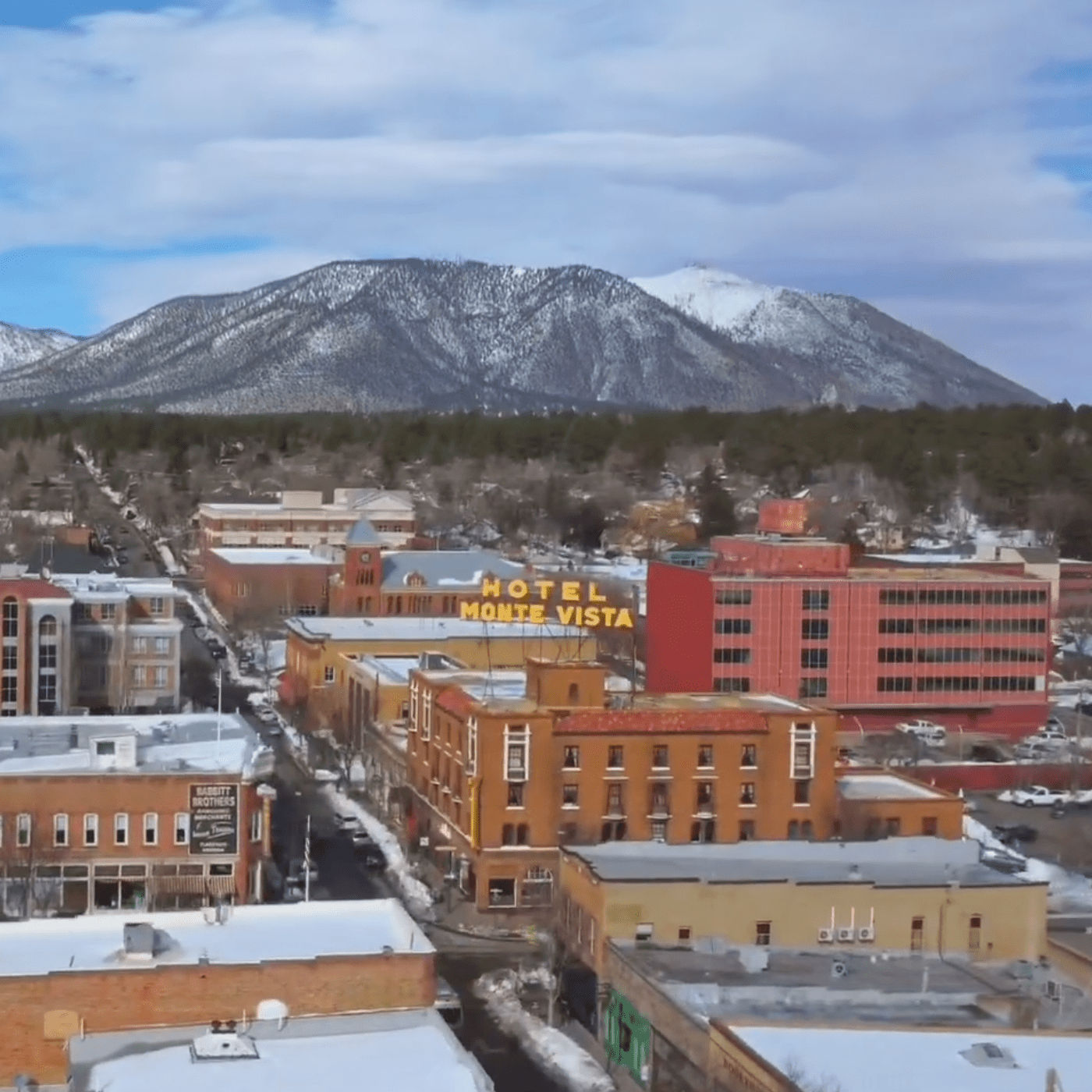
Arizona’s downtown hotel landscape is concentrated in a few distinct urban cores — Phoenix, Tucson, and Scottsdale — where business districts, older street grids, and entertainment zones overlap rather than blend. These are not resort corridors, but working city centers where hotels sit next to offices, courthouses, local bars, and late-night restaurants.
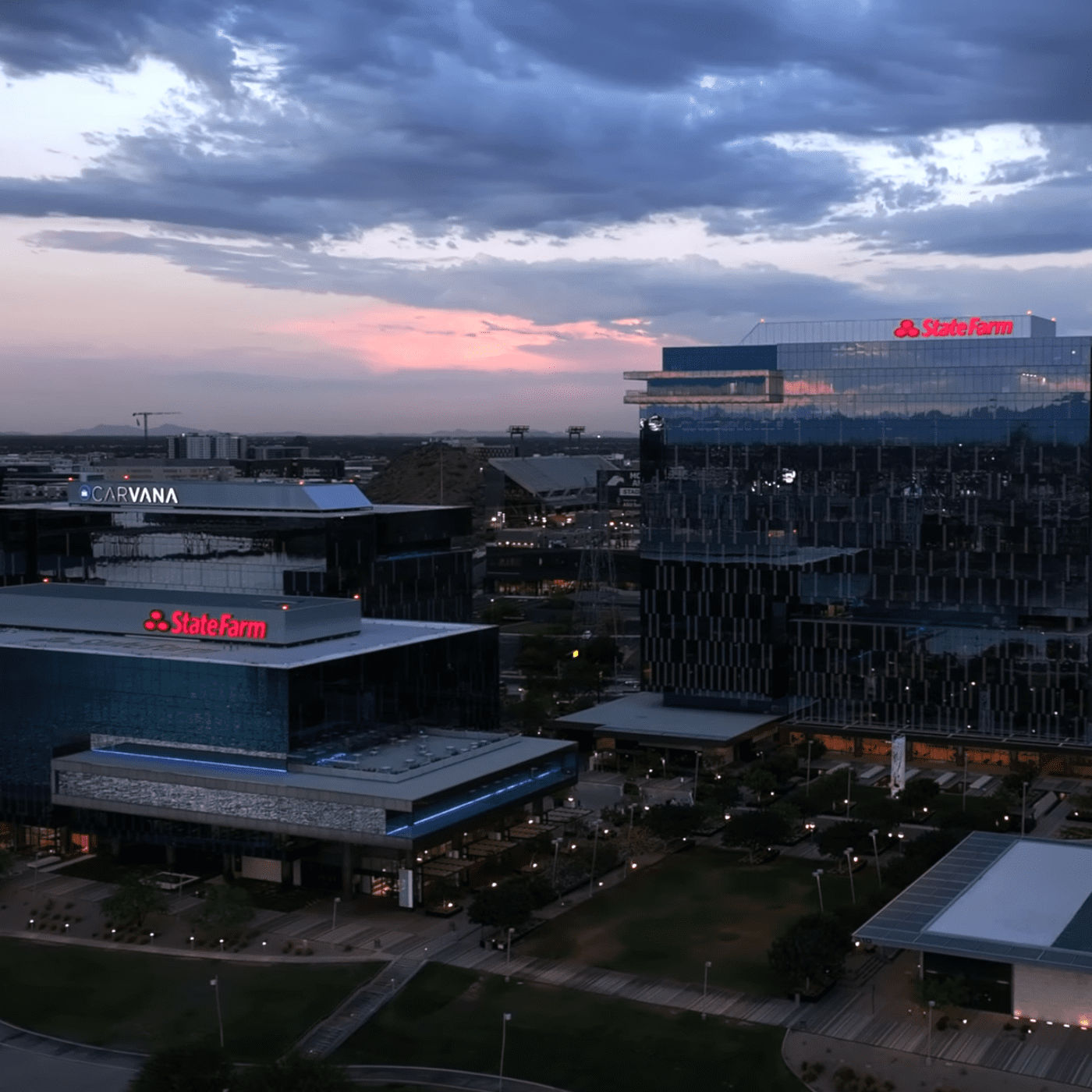
Phoenix is the most vertical and commercially dense, with hotels clustered around its financial core and convention areas. Tucson feels more fragmented and historic, where low-rise buildings and older streets give downtown a slower rhythm. Scottsdale is more curated, with a compact downtown built around dining streets and nightlife rather than business infrastructure.
What defines downtown stays in Arizona is proximity rather than scenery. This is most visible in how guests move through these districts: walking short blocks for dinner, using light rail in Phoenix, or staying within a tightly defined grid of streets that function as full urban ecosystems. Guests stay here to be within walking distance of restaurants, events, and city activity, not isolated from it. The desert is always present, but it sits outside the immediate frame of the stay.
Choosing between them is less about quality and more about intent: Phoenix for scale and access, Tucson for texture and history, Scottsdale for controlled urban comfort.
Arizona’s place in American popular culture is defined less by individual cities and more by the visual system the state helped shape — one where landscape, distance, and urban isolation merge into a single cinematic language.
Films like John Ford’s Stagecoach (1939) and The Searchers (1956), shot in Monument Valley on the Arizona–Utah border, established the archetype of the American West. The red rock formations and empty horizons became a visual shorthand for the frontier: a space where moral order is constantly negotiated against scale, silence, and survival.
That same geography reappears in later cinema in more modern, fragmented forms. No Country for Old Men (2007), filmed across Texas and New Mexico but deeply tied to the broader Southwest corridor, presents a world of highways, motels, and border landscapes where violence feels both sudden and geographically inevitable. The environment is not decorative — it structures the narrative itself.
A similar logic appears in Thelma & Louise (1991), where desert highways and canyon edges become spaces of escape and irreversible decision. The American road is not just a route but a psychological frame, and Arizona’s terrain fits directly into that visual grammar.
In music and cultural imagery, the Southwest — including Arizona — is often evoked through atmosphere rather than geography. The Eagles’ “Hotel California” helped define a long-standing cultural association between desert highways, roadside architecture, and a sense of dislocation embedded in American mobility. The landscape becomes emotional rather than descriptive: a place where movement never fully resolves into arrival.
In contemporary visual culture, Arizona cities like Phoenix and Tucson exist inside this layered perception. Phoenix, with its grid-based expansion and freeway system, reads as a city built for motion rather than containment. Tucson, with its older urban core and lower density, carries a more fragmented, historic rhythm. Yet both are constantly framed by the surrounding desert — a presence that flattens the boundary between urban life and open land.
The result is a cultural image of Arizona that is not static, but structural: a state defined by how American cinema, television, and music repeatedly return to the same combination of highway, emptiness, and city edge — a space where modern life and frontier mythology continue to overlap. That same structure is still visible today in how downtown Phoenix and Tucson are filmed and photographed — less as landmarks, and more as grids, corridors, and transitional spaces between density and desert edge.