Downtown Phoenix is defined less by density and more by layers spread across a wide desert grid. It moves between quiet stretches and sudden bursts of activity shaped by events, culture, and climate.
Staying in Downtown Phoenix Is More About Urban Layers
Downtown Phoenix doesn’t function like a classic American downtown defined by a single dense skyline. Instead, it developed in layers shaped by civic buildings, convention traffic, sports venues, and the city’s wide desert layout. The result is a loose, sun-exposed grid where offices, mid-rise towers, older blocks, and cultural spaces sit side by side without a clearly defined core.
Its identity comes from contrast. The formal civic center around the Phoenix Convention Center stands only a few blocks away from Roosevelt Row, where murals, cafés, and small galleries create a more human-scale rhythm. The area is quieter than many coastal downtowns, but it comes alive in clear bursts, especially during events and evenings.
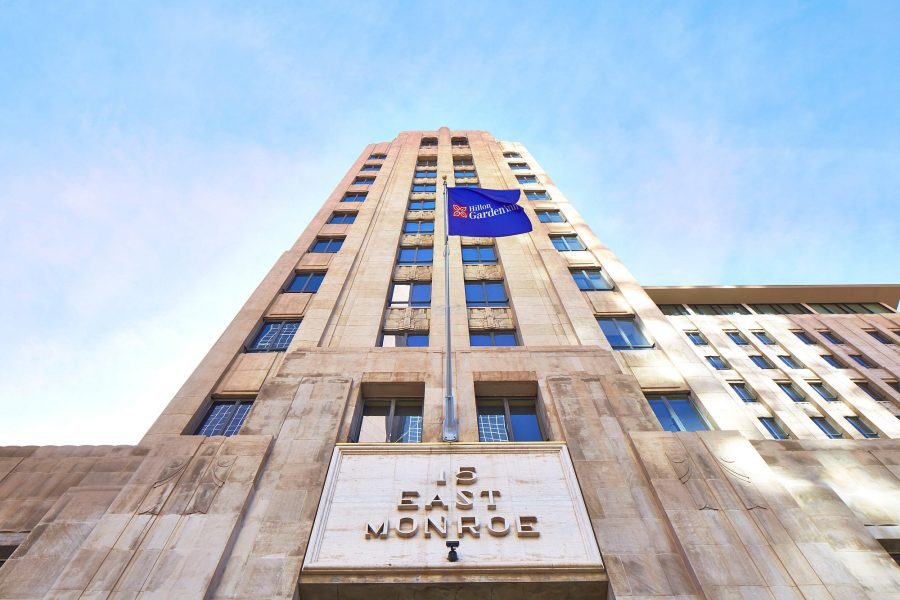
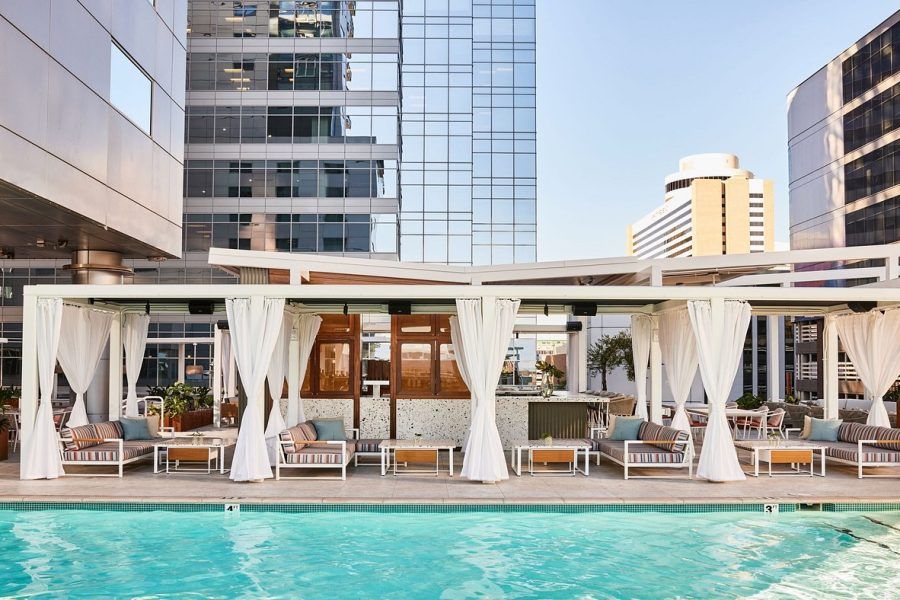
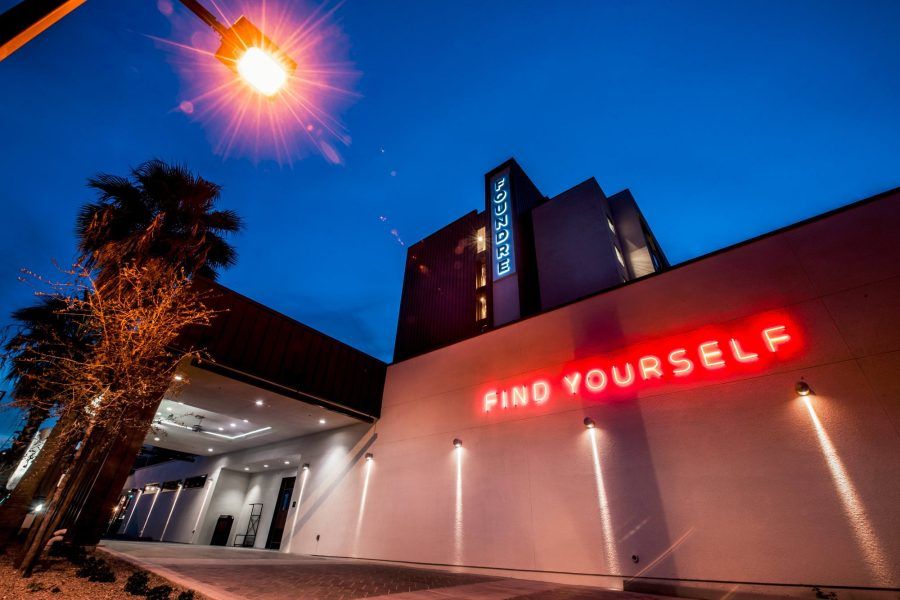
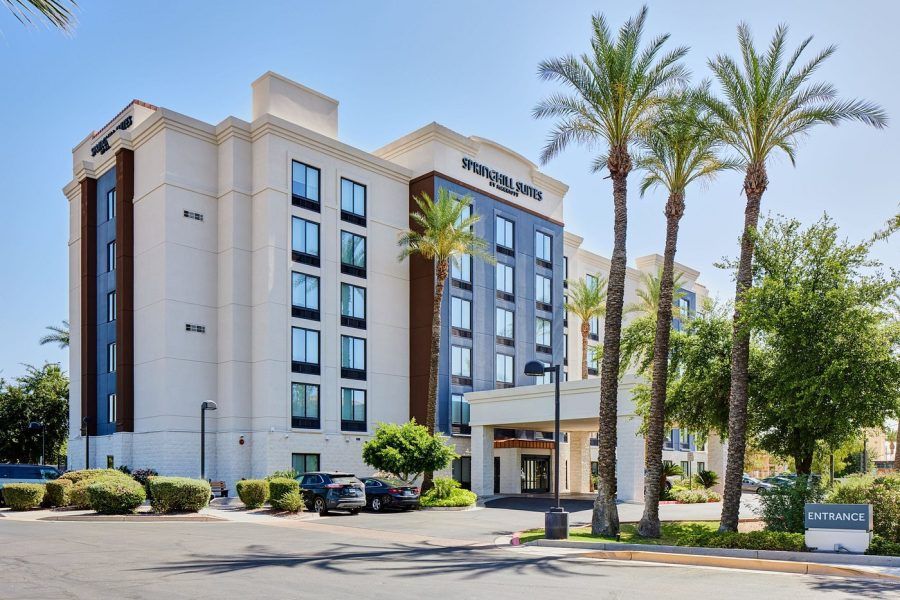
For visitors, hotels in Downtown Phoenix are concentrated around the Convention Center and the surrounding grid, placing most stays within walking or short transit distance of key venues, restaurants, and Roosevelt Row.
Where to Eat, Drink, and Wander in Downtown Phoenix
Downtown Phoenix doesn’t really organize itself around one main street, but around short walks between civic buildings, cultural spaces, and everyday neighborhood spots. Around the Phoenix Convention Center and the surrounding blocks, you’ll find hotel cafés and casual restaurants mixed with museum traffic and people moving in and out of events, giving the area a steady but unfocused rhythm.
A few minutes away, Roosevelt Row feels more personal and lived-in. Places like Cibo, set in a restored bungalow, serve wood-fired pizza in a courtyard that often fills up in the evening, while Pizzeria Bianco remains one of the city’s most talked-about spots for a slower, almost ritual-like pizza experience. For something more relaxed, The Theodore blends cocktails and small plates in a space that feels designed for long conversations rather than quick stops.
Coffee and daytime pauses tend to gather around places like Cartel Roasting Co., where the pace is unhurried and tied more to laptops and neighborhood regulars than tourists. For something sweeter, Alebrije Naveria brings a simple, local counter-style stop into the mix, especially on warm Phoenix afternoons.
What ties all of this together is proximity rather than density—you don’t “tour” downtown Phoenix in a straight line. You move between a museum visit, a slice of pizza, a coffee break, and a bar without ever really leaving the same urban layer, just shifting its tone as the day changes.
Downtown Phoenix Hotels: A Closer Look
Why Shade Matters More Than Distance in Downtown Phoenix
In many cities, choosing where to stay is mostly about distance. In Phoenix, the desert climate changes that calculation. A hotel that appears only a few blocks farther from a restaurant, museum, or sports venue can feel significantly more distant during the hottest months of the year. Visitors often find themselves planning routes around shaded sidewalks, indoor stops, and light rail stations rather than simply following the shortest path. Understanding how the climate shapes movement through downtown can be just as important as understanding the map itself.
Downtown Hotels in Phoenix – Frequently Asked Questions
Not exactly. Unlike many American city centers built around a dense cluster of skyscrapers, Downtown Phoenix feels more open and spread out. Wide streets, desert light, and lower-density blocks give it a very different atmosphere from places like Chicago or New York.
The energy comes in waves. Business hours bring office workers and convention visitors, while evenings are often shaped by concerts, sporting events, and people heading to restaurants and bars around the city center.
Two of the best-known names are Pizzeria Bianco and Cibo. Both have earned loyal followings, although they offer very different experiences—from a nationally recognized pizza destination to a relaxed neighborhood setting.
While parts of downtown can feel calm during the day, the area often becomes more active after sunset. Sports events, concerts, cocktail bars, breweries, and restaurant patios help create a different atmosphere in the evening.
Roosevelt Row adds a more creative and local feel to downtown. Murals, independent cafés, galleries, and small restaurants create a neighborhood atmosphere that contrasts with the office towers and convention spaces found a few blocks away.
Yes. Many visitors spend a full day walking between Roosevelt Row, Heritage Square, museums, restaurants, and sports venues. The area is more spread out than some downtown districts, but most major attractions remain within reasonable reach.
Many visitors prefer the cooler months between late fall and early spring, when walking around downtown is far more comfortable and outdoor patios are at their busiest.
Many expect a dense skyline and constant crowds, but are surprised by how much space exists between districts. Downtown Phoenix often feels less like a single urban core and more like several distinct neighborhoods connected by a shared city center.
A Downtown That Reveals Itself Gradually
Downtown Phoenix is not the kind of city center that tries to impress visitors all at once. Its character emerges gradually through a mix of cultural districts, local restaurants, sports venues, and everyday city life spread across a broad desert landscape. For travelers, the experience is often less about checking off landmarks and more about discovering how different parts of downtown connect throughout the day. That slower rhythm is part of what makes Phoenix feel distinct from many other major downtown destinations across the United States.
Downtown Phoenix doesn’t present itself all at once — it unfolds in fragments, shaped by light, distance, and movement through the desert city.