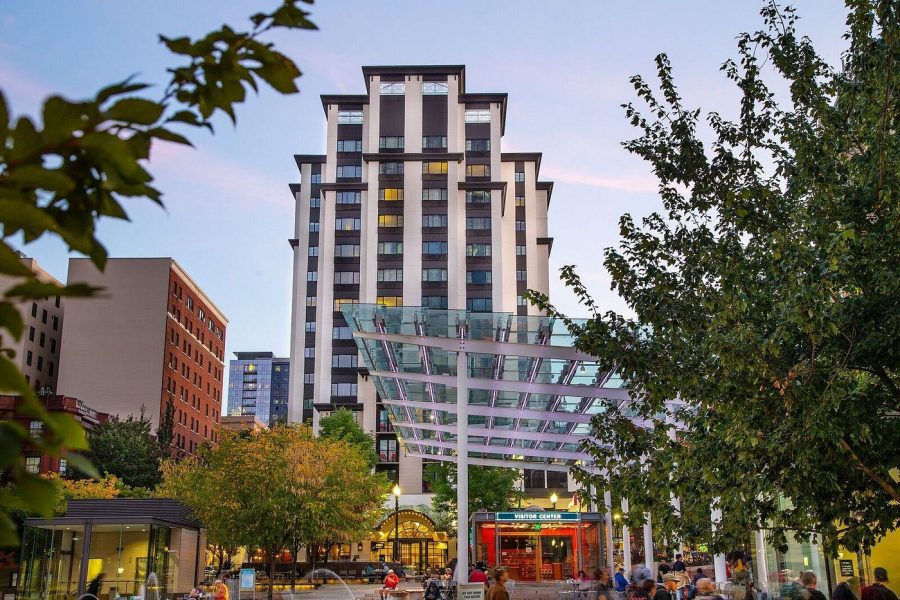
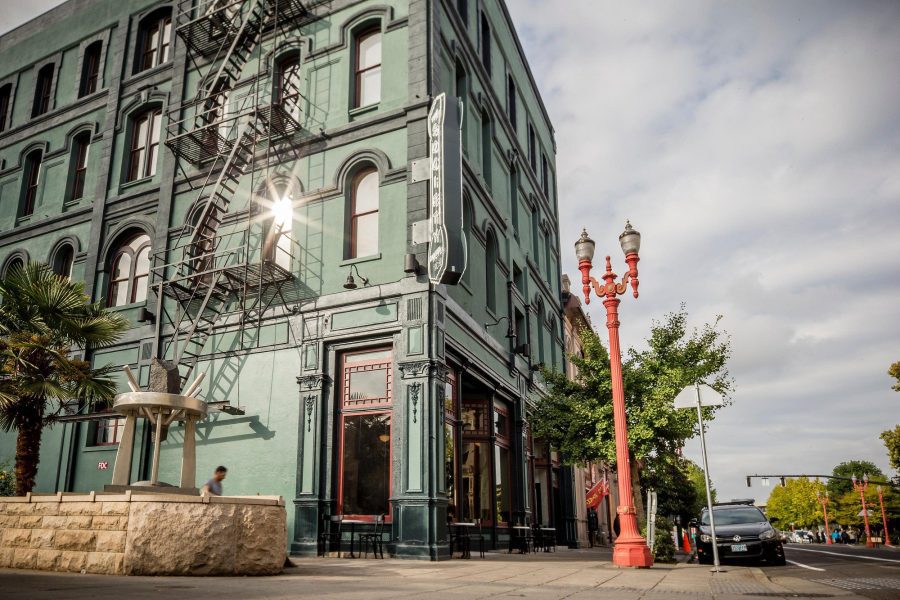
Downtown Hotels in Portland

Downtown Portland sits between the river and tight street corridors, shaped by bridges, transit lines, and short, shifting blocks.

What It’s Like in Downtown Portland

Downtown Portland sits on the west side of the Willamette River, where the city center is shaped by bridge crossings and a compact street grid. Southwest 5th and 6th Avenue form the main movement corridors, linking transit stops, hotel buildings, and retail frontage within short, walkable blocks. The riverfront and Waterfront Park add an open edge to the downtown core, while nearby bridges connect directly into the street network. Just west of the main corridor, office-heavy streets and quieter blocks gradually reduce pedestrian activity, creating a noticeable shift within a few intersections. Staying in downtown Portland places you within a compact area where river access, transit lines, and short street segments constantly overlap.

The Paramount Hotel

808 Southwest Taylor Street, Portland, OR, USA

Park Lane Suites and Inn

809 Southwest King Avenue, Portland, OR, USA

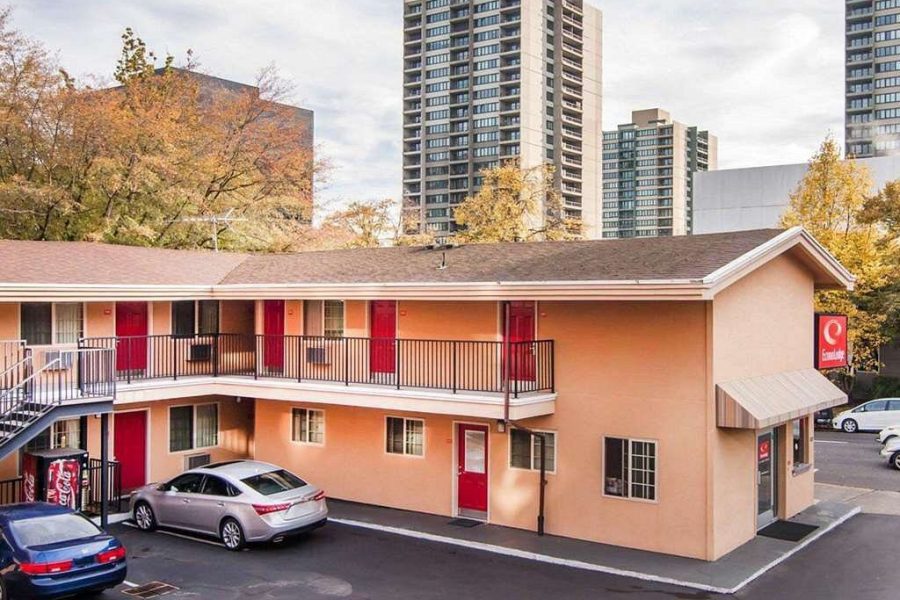
Econo Lodge Portland City Center

1889 Southwest 4th Avenue, Portland, OR, USA

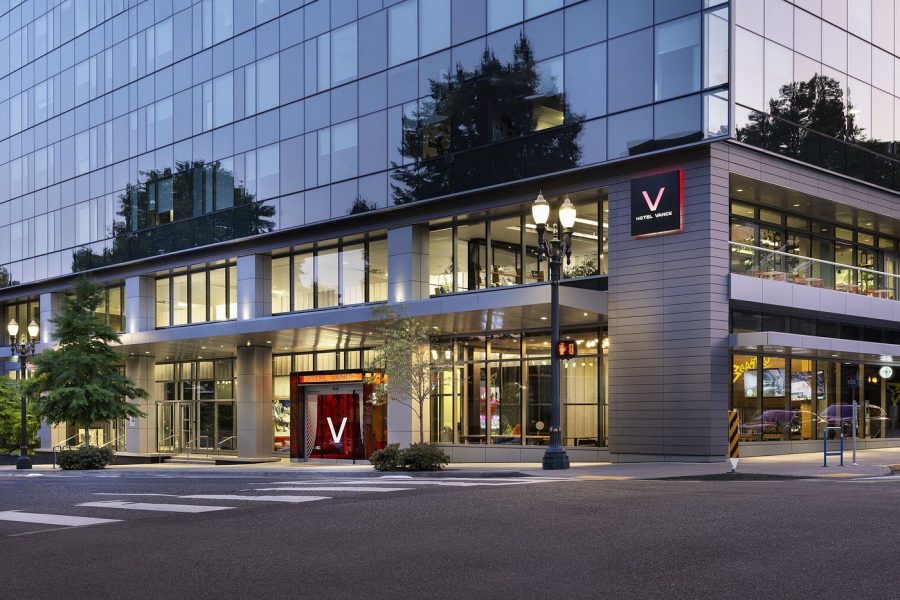
Hotel Vance, Portland, a Tribute Portfolio Hotel

1455 Southwest Broadway, Portland, OR 97201, USA

The Society Hotel Portland

203 Northwest 3rd Avenue, Portland, OR, USA

Downtown Value Inn

415 Southwest Montgomery Street, Portland, OR, USA

Courtyard by Marriott Portland City Center

550 Southwest Oak Street, Portland, OR 97204, USA

Dossier Hotel

750 Southwest Alder Street, Portland, OR, USA

The Duniway Portland A Hilton Hotel

545 SW Taylor St, Portland, OR 97204, USA

Hilton Portland Downtown

921 Southwest 6th Avenue, Portland, OR, USA

The Royal Sonesta Portland Downtown

506 Southwest Washington Street, Portland, OR 97204, USA

Hyatt Centric Downtown Portland

601 SW 11th Ave, Portland, OR 97205, USA

Downtown Portland Guide: Culture, Food, and City Life

Portland’s downtown vibe – walkable, creative, and full of life

Portland, Oregon is one of the most distinctive cities on the U.S. West Coast, known for its walkable downtown, creative culture, and strong connection to food and coffee. Staying in downtown Portland, OR puts you close to everything — from riverfront parks and cultural landmarks to some of the most talked-about restaurants and cafés in the Pacific Northwest.

The downtown area is compact and easy to explore on foot, which makes it especially attractive for short city breaks. Whether you are here for food, culture, or just a relaxed urban getaway, everything feels close and accessible.

Museums, culture, and city landmarks

Downtown Portland offers a strong cultural layer that goes beyond its modern reputation. One of the key highlights is the Portland Art Museum, one of the oldest art museums on the West Coast, featuring a wide range of contemporary and Native American collections. Nearby, the Oregon Historical Society Museum gives visitors a deeper look into the state’s past and development.

For a more relaxed city experience, the Tom McCall Waterfront Park is a central gathering point along the Willamette River, perfect for walking, cycling, or simply taking in the skyline.

Coffee culture, breweries, and local food scene

Portland is often called one of the coffee capitals of the U.S., and downtown reflects that reputation clearly. Specialty coffee shops like Stumptown Coffee Roasters and Coava Coffee are part of the city’s everyday rhythm, attracting both locals and visitors.

The craft beer scene is just as strong. Downtown and nearby areas feature well-known spots such as Deschutes Brewery Portland Public House, where visitors can try locally brewed beers in a relaxed pub setting. Food is another major part of the experience. Places like Pine Street Market bring together multiple vendors under one roof, offering everything from casual street food-style meals to modern Pacific Northwest cuisine.

Why stay in downtown Portland hotels

Staying in downtown Portland, OR means you are within walking distance of museums, restaurants, nightlife, and public transport. It’s an area where you rarely need a car, and where each neighborhood block offers something slightly different — from quiet coffee corners to busy evening streets.

For travelers, downtown hotels here are less about luxury isolation and more about being part of the city itself. Whether you are visiting for a weekend or using Portland as a base for exploring Oregon, downtown gives you the most direct experience of the city’s identity.

Watch Real Videos of Downtown Hotels in Portland, OR

How Downtown Portland Feels in Short Walks

Walking through downtown Portland often shifts in tone within just a few blocks, especially when moving away from the busiest central corridors. Around Southwest Broadway near Taylor Street, the rhythm feels structured but less compressed than the transit-heavy spine — people move between office entrances, hotel lobbies, and small retail fronts in short, predictable bursts.

Further south toward Southwest Jefferson Street, the environment becomes slightly looser, with wider gaps between active storefronts and more variation in how individual blocks are used. The movement here is still steady, but less synchronized, shaped more by local stops than continuous pedestrian flow.

In contrast, areas closer to Northwest 10th Avenue in the Pearl District edge, introduce a different tempo entirely — longer visual sightlines, converted warehouse buildings, and slower pedestrian pacing that breaks away from the tighter downtown rhythm without fully leaving the urban core.

What stands out is not any single corridor or landmark, but how these small shifts in street character appear within a very short walking radius, creating a downtown that constantly recalibrates itself as you move through it.

Downtown Hotels in Portland – Frequently Asked Questions

What changes the feel of a hotel room in downtown Portland from block to block? Even within a few streets, noise, pedestrian flow, and building type can shift noticeably, especially between transit corridors and office-heavy side streets.

The core around 5th and 6th Avenue is strongly shaped by weekday business flow, while weekends shift toward leisure activity near riverfront access points and dining clusters.

Yes — because the street grid changes character quickly. A hotel on a busy corridor can feel very different from one just two blocks away where office density or residential use starts to dominate.

Closer to the river means more open space and views, while deeper into the grid means faster access to transit, dining, and hotel clusters — the choice depends on whether you prefer movement or atmosphere.

Areas around the central grid tend to have the highest concentration of cafés, markets, and casual dining within walking distance.

It matters mainly for airport access and regional movement. Hotels within a few blocks of main stops allow you to move in and out of downtown without relying on rideshare or rental cars.

Most key areas — including riverfront, central hotels, and main streets — sit within a 10–15 minute walking radius of each other.

Instead of large districts, Portland hotels are positioned within a very tight grid where small distance changes (1–3 blocks) significantly affect noise, movement, and street activity.

Practical Notes for Staying in Downtown Portland

Getting around downtown Portland is straightforward thanks to the MAX Light Rail, which connects the city center directly with Portland International Airport and eliminates the need for a car for most short stays. Once you arrive, much of the downtown core around Southwest 5th and 6th Avenue can be navigated entirely on foot.

Hotel layout in this area is less about isolated resort properties and more about how buildings sit directly into the street grid. That means two rooms in the same hotel can feel noticeably different depending on whether they face busy transit corridors, quieter side streets, or interior courtyards that buffer street activity.

Certain periods of the year, especially during large city events like the Rose Festival in early summer, change how the downtown area feels in practice. Movement becomes more concentrated around key intersections such as Pioneer Courthouse Square, while availability in centrally located hotels becomes more limited.

For travelers combining Portland with wider Oregon exploration, the city often functions as a base point before continuing toward regions like the Willamette Valley, while still keeping the main stay experience anchored in a compact, walkable downtown environment.

Downtown Hotels in Other Major U.S. Cities