Stay in the heart of New Mexico’s most character-filled cities, where adobe streets, desert light, and local culture come together just steps from your hotel door.
New Mexico doesn’t rush to impress you — it just quietly gets under your skin. Step into downtown Albuquerque or wander the adobe-lined streets of Santa Fe, and you’ll feel it right away: this is a place where time moves differently, and every block carries its own mix of history, art, and desert light.
We explore New Mexico through its downtown stays — hotels that put you right in the middle of it all, where the city starts just outside your door. Morning coffee in crisp mountain air, evenings filled with local flavors and gallery lights, and streets that feel both lived-in and full of stories. It’s not a destination you simply visit — it’s one you experience from the inside out.
Select a city below to explore downtown stays and hotels.
Every city in New Mexico tells a different story once you’re staying downtown — and that’s exactly what Downtown Hotels is about. Not the outskirts, not the highways, but the real center of things, where you can step outside and immediately feel the pulse of the city around you.
This selection brings together downtown stays across New Mexico, making it easier to compare locations where walkability, atmosphere, and proximity to local spots actually matter.
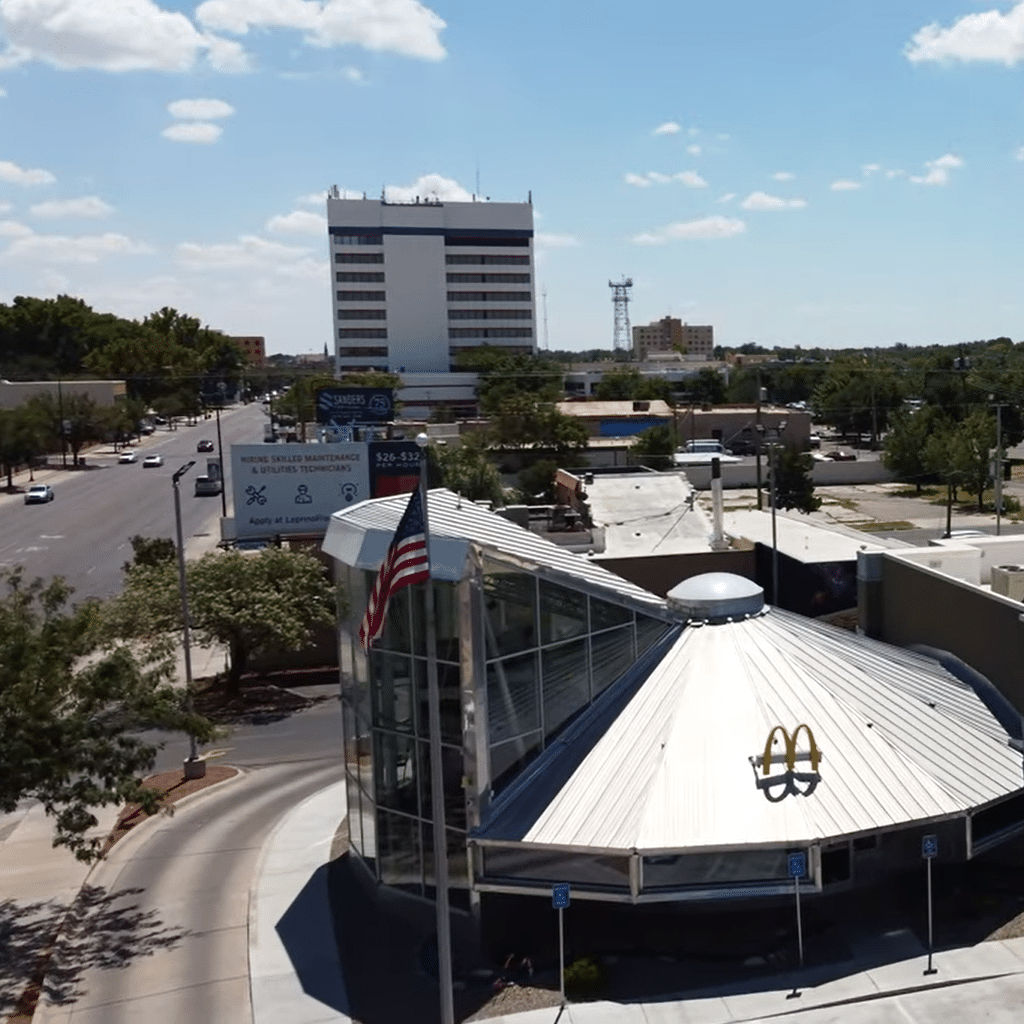
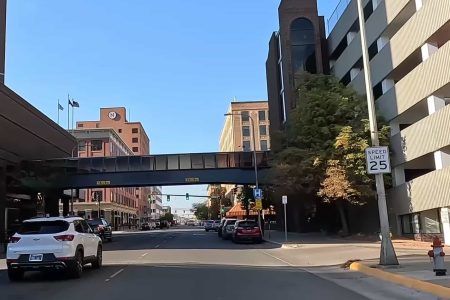
New Mexico doesn’t really try to impress you. You just end up in it. A crosswalk in downtown Albuquerque that takes longer than expected. A guy sitting outside a closed storefront like he’s been there all morning. Neon humming even when it’s still daylight. Nothing feels staged, and that’s exactly why it sticks.
That’s the space Downtown Hotels is about — not the polished parts you see in ads, but the blocks where the city actually lives its normal life. You step outside the hotel and you’re already in it. No transition, no “now we go explore the city.” You’re just there.
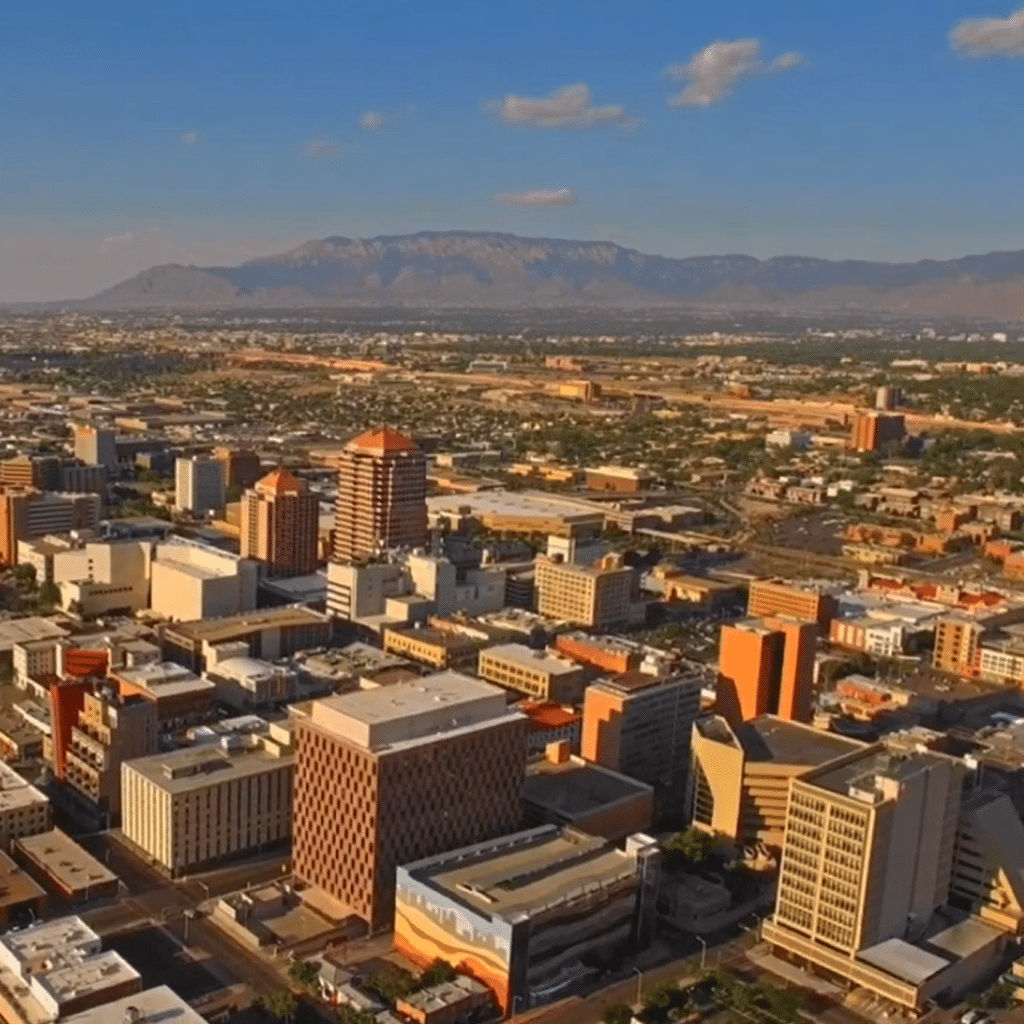
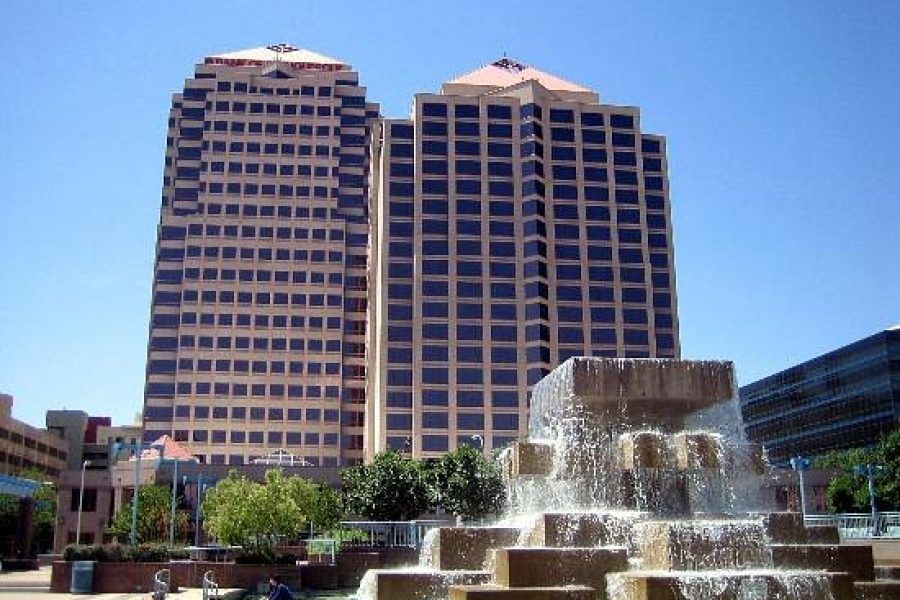
Albuquerque downtown has this loose, slightly worn rhythm. Not messy, just real — traffic, empty sidewalks that suddenly fill up, a bar opening its doors early like time is flexible here. Santa Fe flips it the other way. Quieter, tighter, more intentional. You notice sound more than movement — footsteps on stone, doors closing, someone talking low outside a gallery.
Las Cruces doesn’t try to perform at all. It just exists at its own speed. Morning starts slow, evenings arrive without announcement. Nothing dramatic, but everything present.
Staying downtown in New Mexico changes how you move. You don’t plan the day in chunks. You drift. Coffee turns into a walk. A walk turns into a place you didn’t look for. And at some point you stop thinking about “the city” as a destination — you’re already inside it, just moving through it.
That’s the point of Downtown Hotels — staying close enough that nothing has to be optimized. The city happens around you, not in front of you.
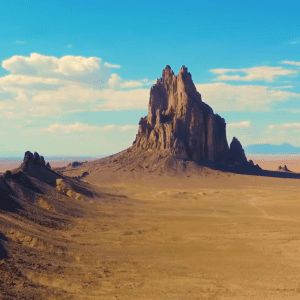
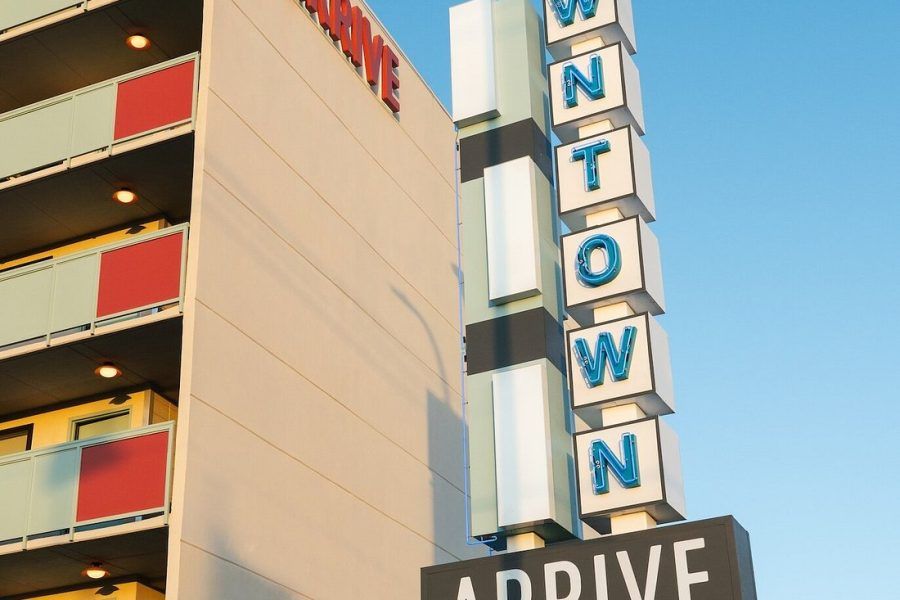
New Mexico doesn’t just appear in pop culture — it settles into it in a way that feels understated but unforgettable. A downtown street in Albuquerque at dusk, the hum of neon outside a roadside motel, the desert pressing in just beyond the city blocks — it all carries a cinematic quality, even when nothing dramatic is happening.
Breaking Bad and Better Call Saul turned Albuquerque into one of the most recognizable modern TV cities, where everyday neighborhoods quietly became part of a larger cultural story. The city doesn’t feel staged on screen — it feels lived in, which is exactly why it works.
Beyond television, New Mexico’s landscapes have shaped the tone of films like The Magnificent Seven, where wide-open space and silence become part of the storytelling language. Santa Fe and Taos often appear in more reflective, artistic productions, adding a different rhythm — slower, more textured, more interior.
Even outside film, the state’s influence runs through music, photography, and visual art — always the same combination of desert light, urban edges, and a sense that the space between places matters as much as the places themselves. New Mexico doesn’t try to dominate the frame; it simply gives stories room to breathe.