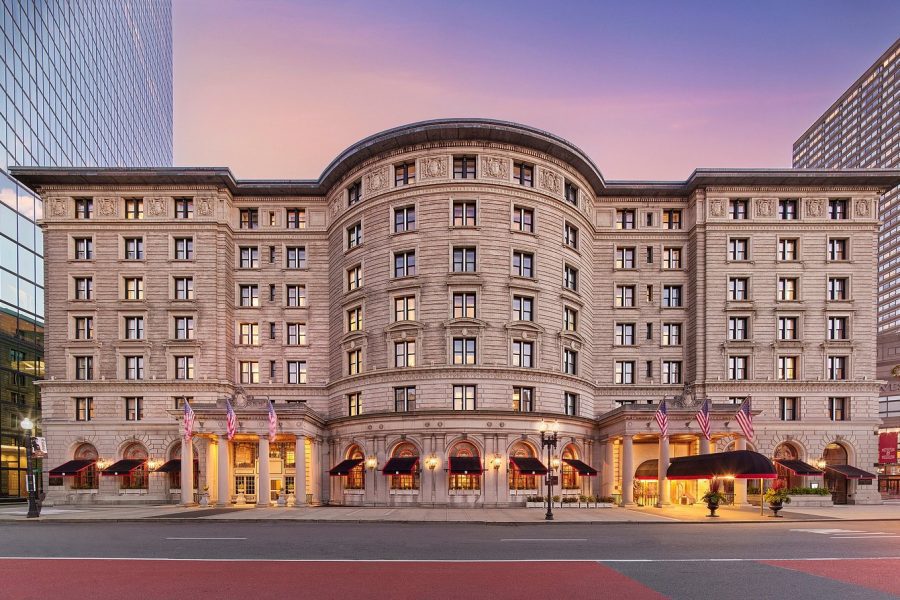
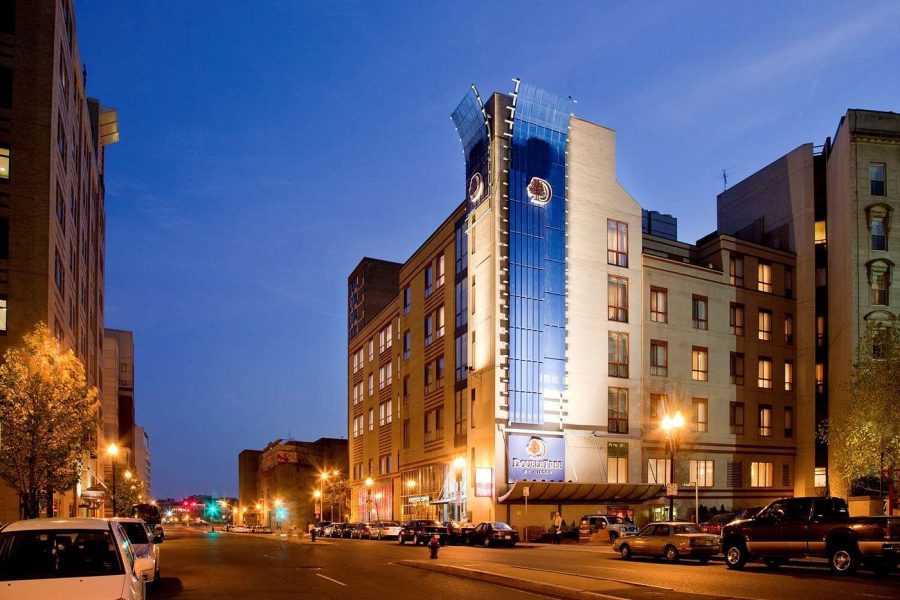
Stay near the Freedom Trail, Boston Common, Back Bay, and the Waterfront
for easy access to historic landmarks and the city’s compact downtown core
Where History Meets Office Life in Downtown Boston’s Compact Core
Boston’s downtown is noticeably more compact than most major U.S. cities, with narrow streets and historic blocks shaping how the city is experienced on foot. The Financial District anchors the business core, while Beacon Hill and the Waterfront sit just minutes away, giving the area a mix of urban and residential character within a very short distance. Boston Common and the Freedom Trail cut directly through the center, connecting key landmarks and making much of downtown feel like a continuous walking route through the city’s history. Staying here keeps most cultural, historical, and business areas within easy walking reach.
Downtown Boston Hotels Guide: Where to Stay, Areas & Attractions
Staying in downtown Boston hotels gives visitors direct access to historic landmarks, walkable neighborhoods, and central transit connections. The compact layout allows visitors to explore multiple districts in a single day without relying heavily on transportation.
Boston Common and the nearby Public Garden form the historic and scenic center of the city, while the Freedom Trail connects key landmarks across downtown through a clearly marked walking route. This makes Boston especially appealing for travelers who want to combine sightseeing with a centrally located hotel stay.
Along the waterfront, the Seaport District offers a more contemporary side of Boston, with modern restaurants, open public spaces, and harbor views that contrast with the historic streets just a few blocks away.
In addition to historic landmarks, downtown Boston offers a mix of museums, universities, and cultural institutions that are easily accessible from central hotels. The city’s layout allows visitors to combine sightseeing, dining, and waterfront walks within a single day, without the need for long-distance travel.
Explore Downtown Boston Hotel Video Tours
Plan Your Stay in Downtown Boston
Boston is best experienced from centrally located neighborhoods where walking and public transport connect most major attractions. Choosing the right area depends on whether you prefer a business-focused location, a historic environment, or a modern waterfront setting.
Downtown Boston hotels provide easy access to the city’s main districts, allowing visitors to move between historic landmarks, shopping areas, and waterfront locations without long travel times.
Explore available downtown Boston hotels and compare different areas to find the stay that best matches your travel style.
Because of its compact structure, Boston is often considered one of the most efficient cities in the United States for hotel stays, especially for visitors who want to maximize their time without relying heavily on transportation.
Downtown Boston Hotels – Frequently Asked Questions
Downtown Boston generally refers to the Financial District, Government Center, and surrounding central business area near Boston Common.
Back Bay and the Downtown/Financial District are the most convenient for first-time visitors due to location and access to key sights.
Downtown is more business-focused and modern, while Back Bay is more residential, historic, and known for shopping streets and architecture.
Boston is best experienced on foot in central areas, with the subway (the “T”) used for longer distances.
Yes, central Boston is highly walkable, with most major attractions located within short walking distance or a few subway stops
Yes, it’s one of the most practical areas, especially for business trips and short stays close to transport and downtown attractions.
Yes, the Seaport District is modern, waterfront-focused, and popular for dining, hotels, and scenic harbor views.
Beacon Hill is directly adjacent to downtown Boston—usually a 5–10 minute walk depending on the exact location.
Where to Stay in Downtown Boston: Financial District, Back Bay & Waterfront
Choosing the right area in downtown Boston depends on the type of experience you are looking for, as each district offers a distinct atmosphere within a compact space.
The Financial District is the most central and connected area, ideal for visitors who want direct access to transit, historic streets, and business hubs. Back Bay offers a more structured and architectural environment, known for its wide streets, classic buildings, and shopping areas. The Seaport District provides a modern waterfront setting with newer hotels, restaurants, and open spaces along the harbor.
For a quieter and more historic atmosphere, Beacon Hill offers a residential feel with cobblestone streets and preserved 19th-century architecture, located just steps from the downtown core.
Compare Downtown Boston Hotels with Other Major U.S. Cities