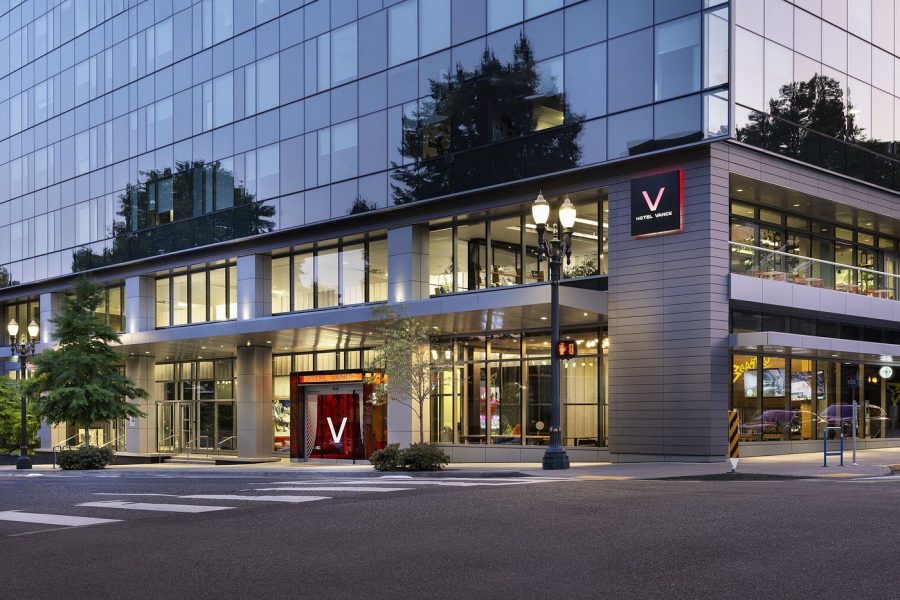
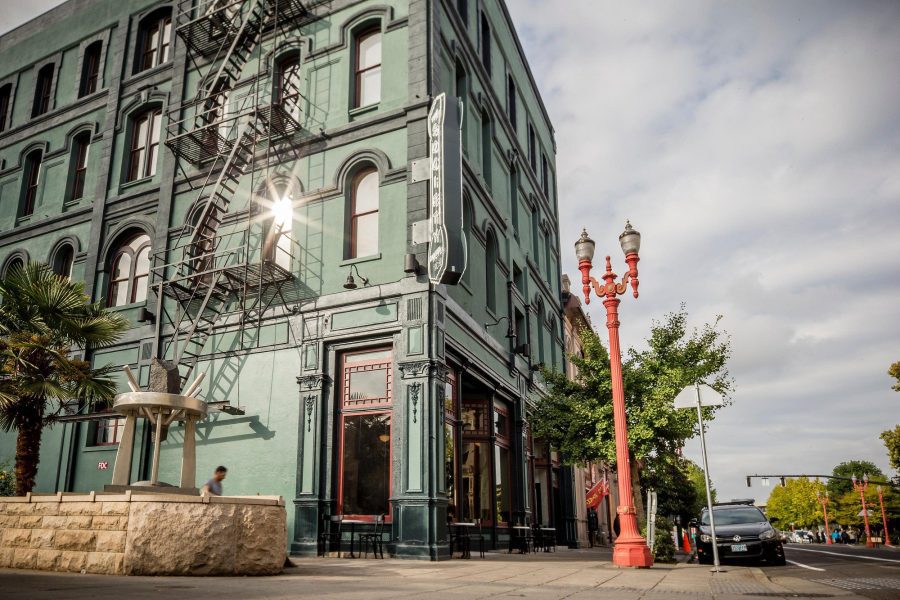
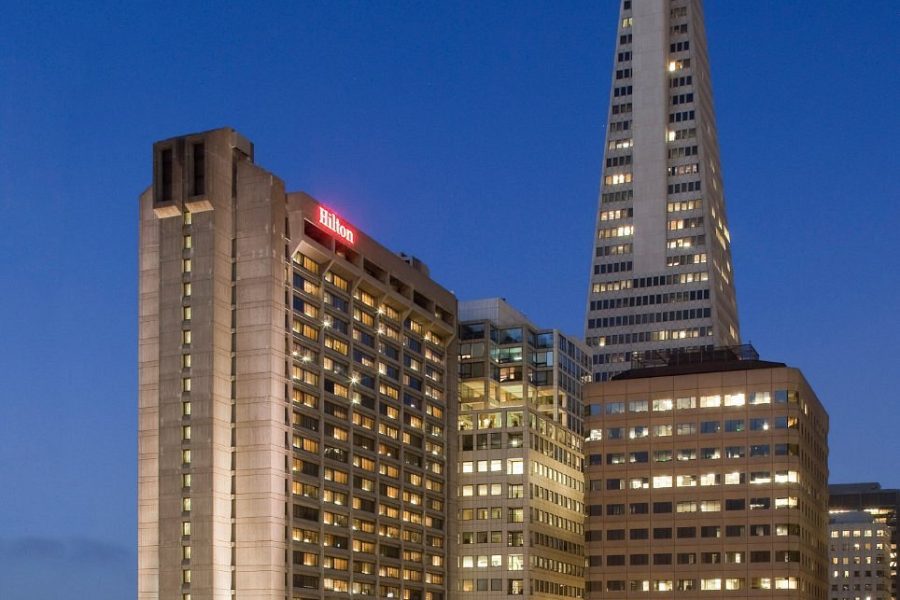
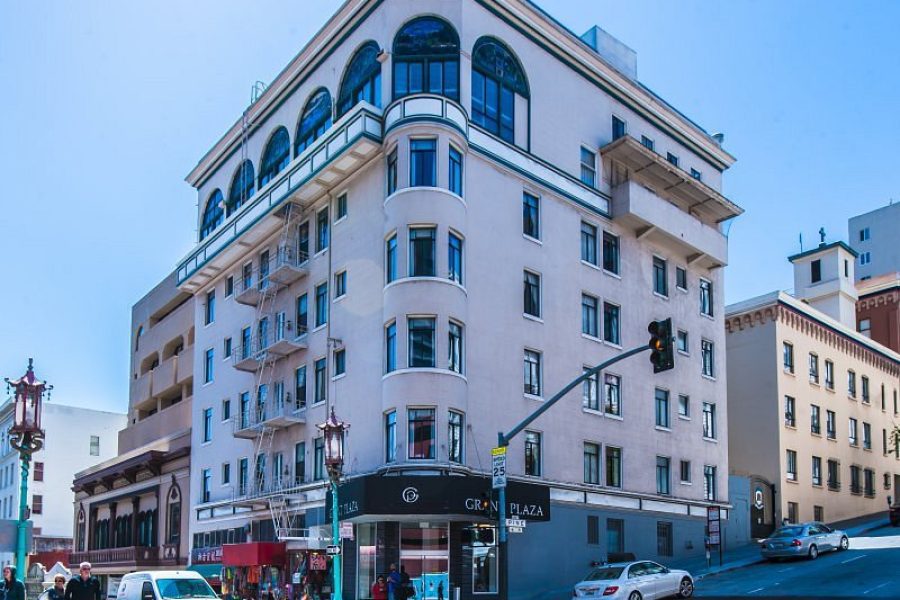
West Coast is a string of coastal cities where downtown hotels sit between oceanfronts, dense streets, and nonstop urban movement from L.A. to Seattle
West Coast is a stretch of coastal downtowns where hotel stays sit between oceanfront edges, dense street grids, and everyday city movement, from the nonstop traffic, layered neighborhoods, and long city blocks of Los Angeles and San Francisco to the smaller, more walkable downtown cores of Seattle and Portland where the pace slows down, but the streets still feel active, lived-in, and closely connected to local life just a few blocks from the water or business districts.
Use our search tool to find city-center hotels near key attractions, restaurants, and business districts. Browse hotels by city or explore our featured selections in the most popular West Coast destinations, including California, Washington, Hawaii, Nevada, and Alaska.
West Coast downtown hotels aren’t separate from the street — they sit directly inside the daily rhythm of the city, where you step out in the morning into commuters heading to work, delivery trucks stopping at corners, and coffee shops already full, and later in the day the same blocks shift into something slower but still active, with people walking between restaurants, transit stops, and neighborhood streets that feel lived-in rather than staged, whether you’re in Los Angeles, San Francisco, Seattle, or Portland.
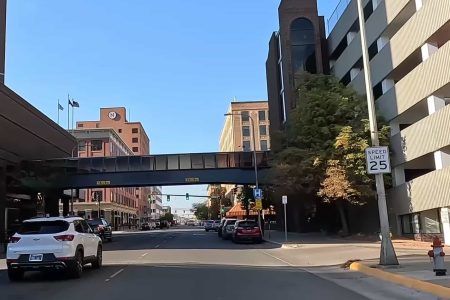
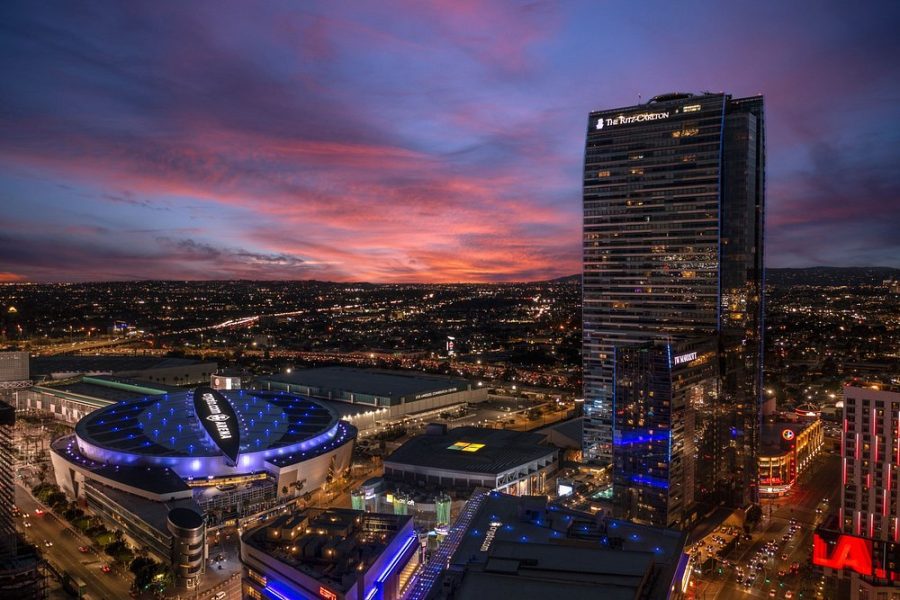
Downtown areas across West Coast don’t follow a single rhythm — they change in a way you notice most when you’re actually moving through them. In Los Angeles, downtown can feel fragmented in real time, where wide intersections, long blocks, and parking structures break the walk into uneven pieces, so the experience shifts street by street rather than as one continuous center. San Francisco pulls everything closer together, but also upward, where steep hills and short distances mean you’re constantly recalibrating how far things actually are as you move on foot. Seattle feels more contained around its waterfront and transit spine, where office districts, markets, and commuter flow overlap in a tight but constantly active core. Portland stays the most even and readable, where the grid quietly organizes downtown life into something that feels local, steady, and easy to move through without effort — but still always active at street level.
Getting around downtown Los Angeles often doesn’t feel linear — you’ll walk a few blocks comfortably, then suddenly find yourself adjusting between traffic-heavy streets, open intersections, and areas where walking feels secondary to movement by car or rideshare. In San Francisco and Seattle, distances feel shorter in practice, but not always in appearance — what looks close on a map can still involve hills, bridges, or small shifts in elevation that change how you experience each block. Portland, by contrast, rarely requires that adjustment; the grid keeps everything visually and physically predictable, so you naturally fall into a walking rhythm without thinking about it.
West Coast downtowns shift in a way you notice more in movement than in time. Mornings feel like a buildup of commuters, coffee lines, and delivery activity starting to layer the streets, especially in Los Angeles and San Francisco. By midday, business districts and retail areas settle into a steady flow, while evenings feel more concentrated — restaurants fill up, sidewalks get busier, and certain blocks become noticeably louder while others stay strangely calm just a few streets away.
Each downtown across West Coast has its own physical logic that becomes obvious once you’re inside it. Los Angeles feels split into zones that don’t fully connect at street level, so movement often happens between concentrated pockets rather than one continuous downtown. San Francisco compresses density into steep terrain, where a short walk can shift you between completely different street atmospheres. Seattle builds its identity around a tighter core shaped by waterfront access and commuter systems that constantly feed into downtown activity. Portland keeps things simpler and more grounded, where downtown spreads evenly across a grid that feels lived-in, local, and consistently active without feeling compressed.
Downtown hotels on the West Coast tend to attract people who want to stay inside the flow of the city rather than outside of it — travelers who don’t mind stepping directly into traffic noise, morning commuters, or late-night restaurant lines just outside their door. In practice, that means business travelers, short city visitors, and people who prefer walking between places instead of planning every movement around transport or distance.