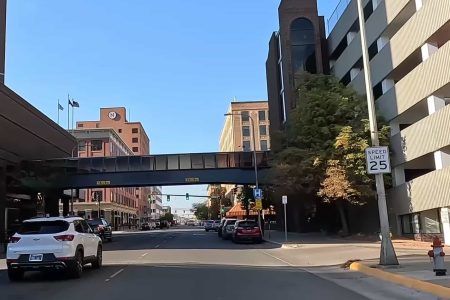
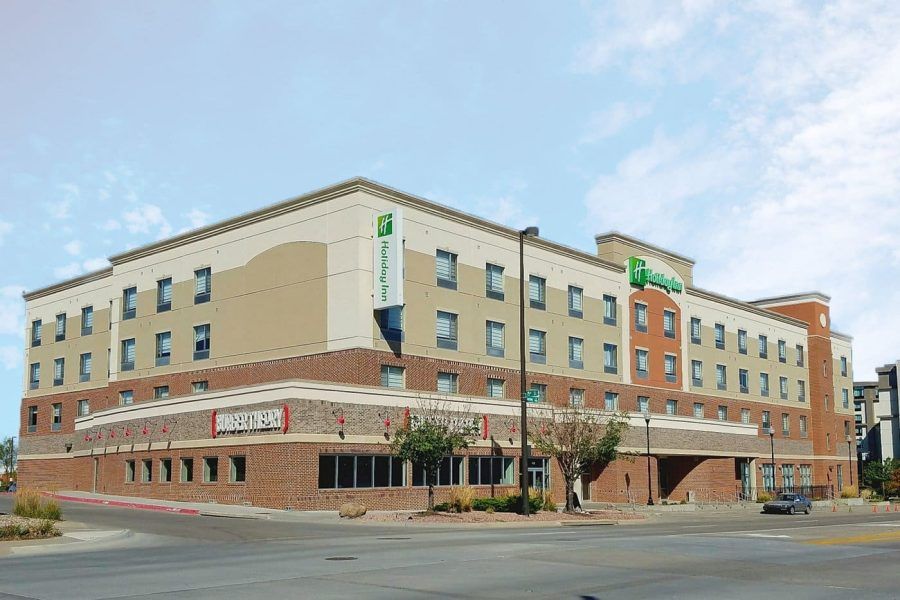
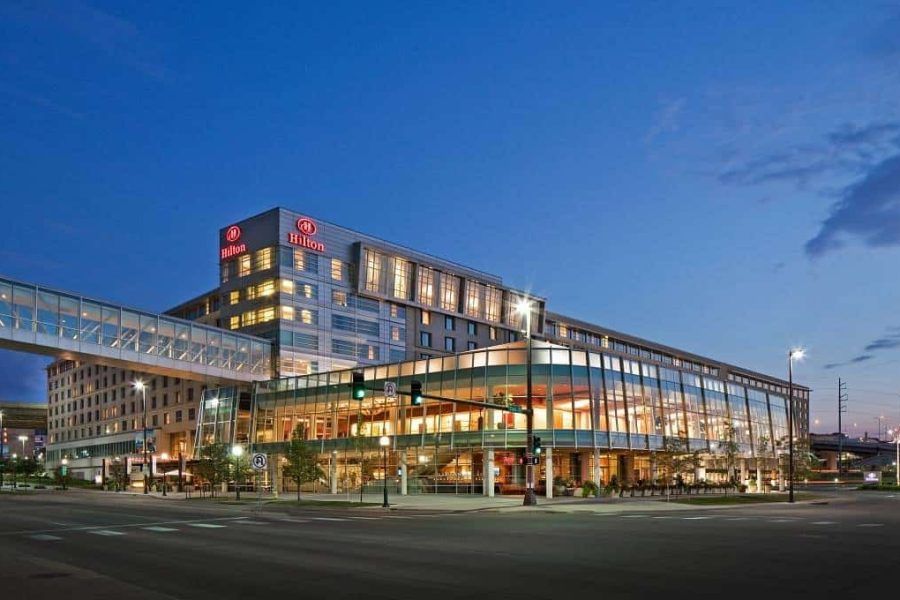
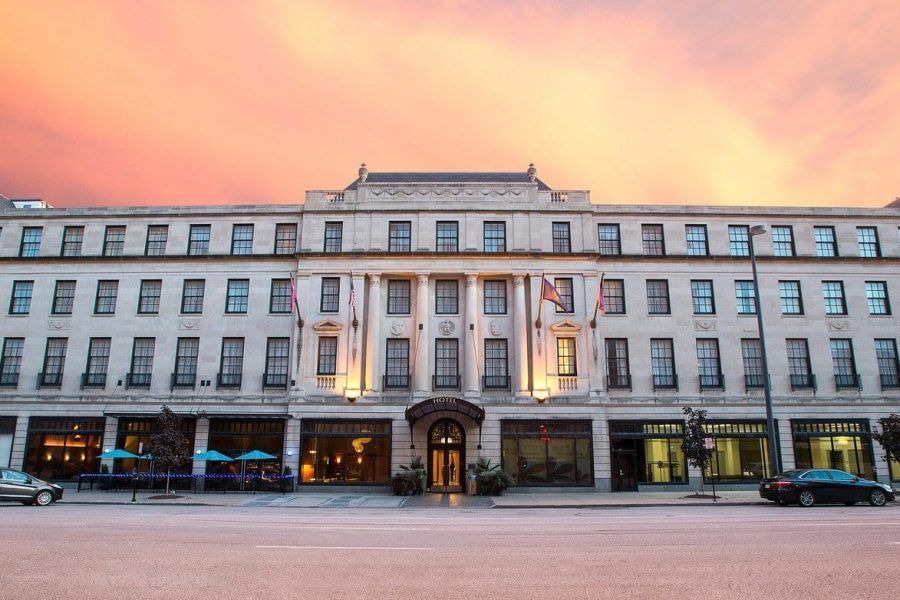
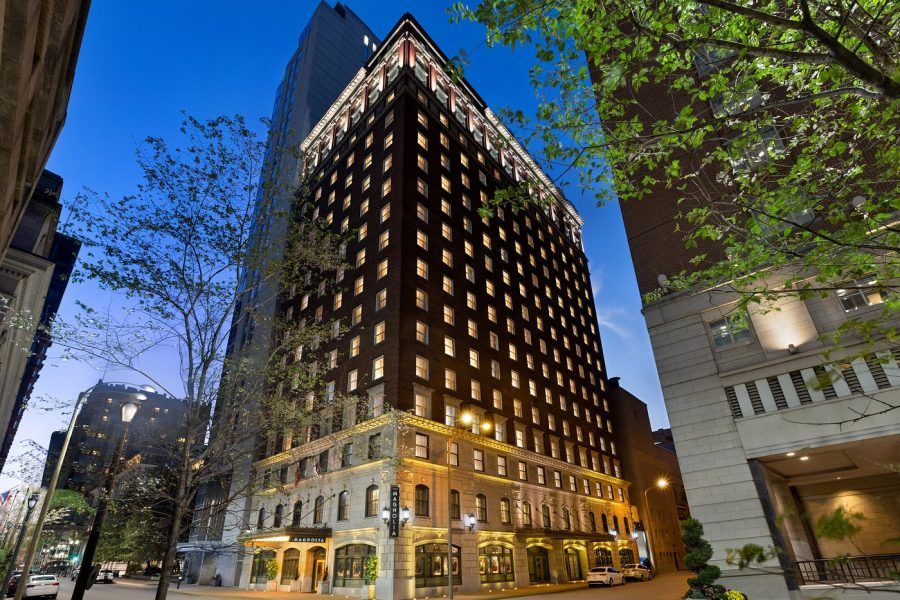
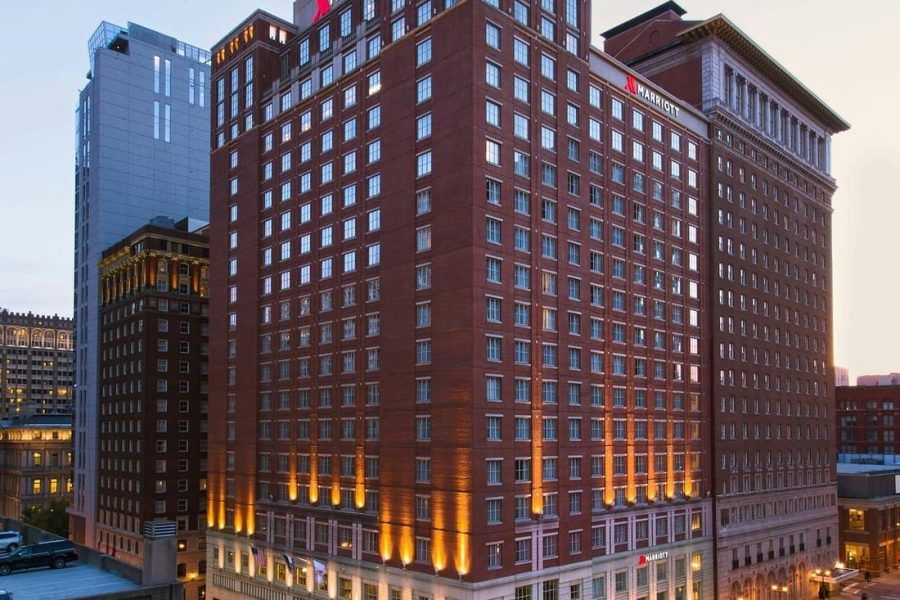
From Omaha’s Old Market to Lincoln’s Haymarket, Nebraska’s downtowns bring together historic streets, local restaurants, sports, and the unmistakable character of the Great Plains.
Nebraska is often associated with wide-open landscapes, farming country, and the long roads of the Great Plains. Its cities tell a more varied story. Downtown Omaha has developed into one of the region’s most active urban districts, while Lincoln combines the institutions of a state capital with the atmosphere of a university town. Elsewhere, historic commercial streets and compact city centers preserve another side of Nebraska.
For travelers, staying downtown can be particularly convenient. Restaurants, museums, theaters, shops, sports venues, convention facilities, and public spaces are often concentrated within a relatively small area. In Omaha and Lincoln, that makes it possible to spend much of a short visit without constantly relying on a car.
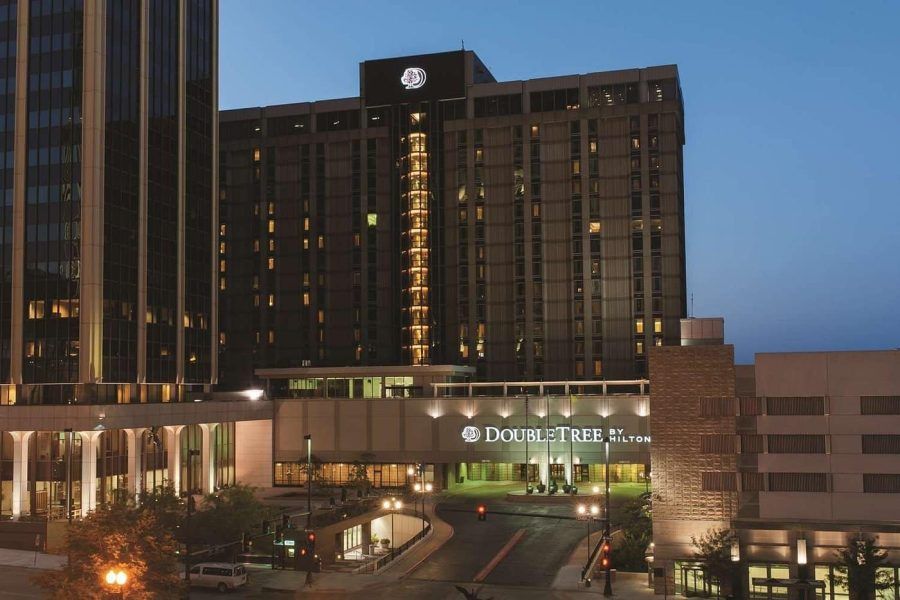
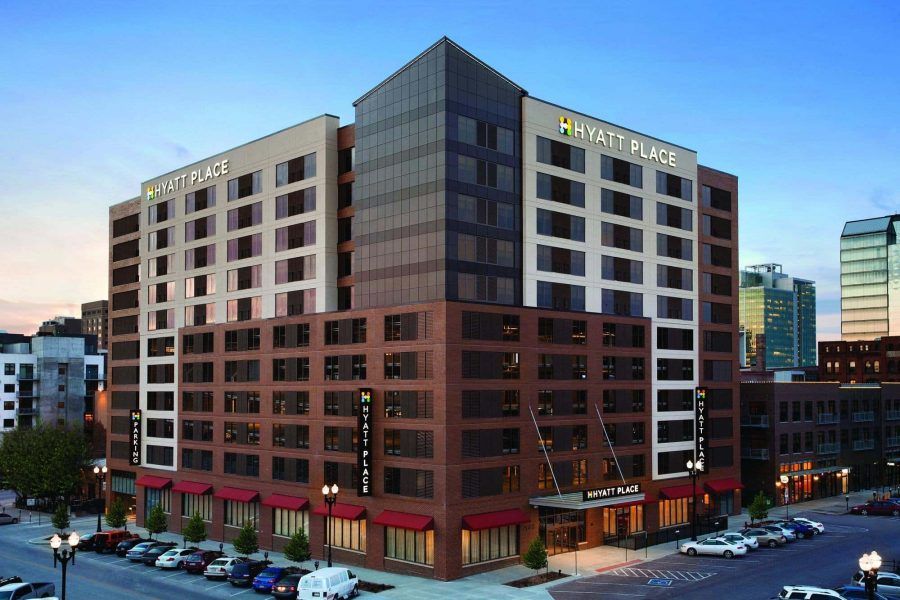
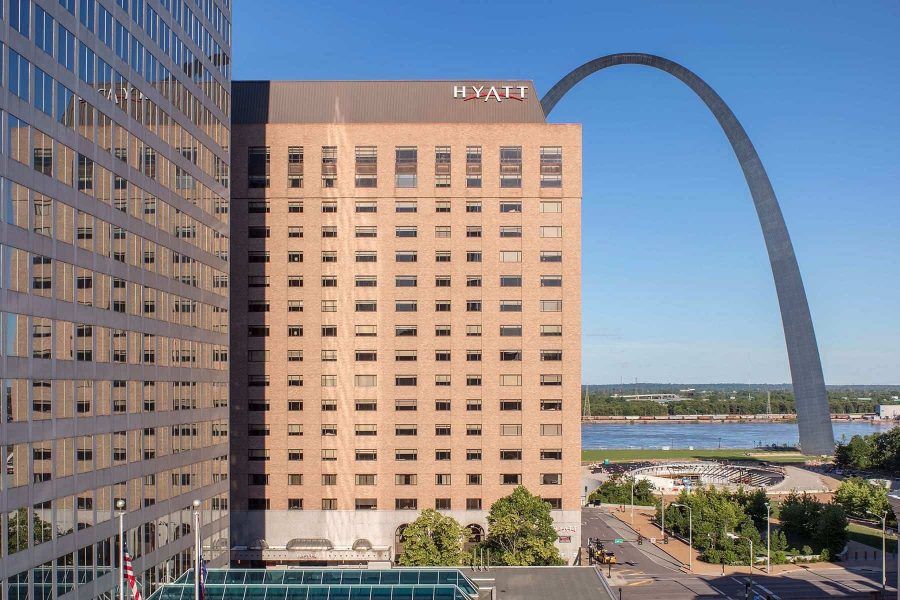
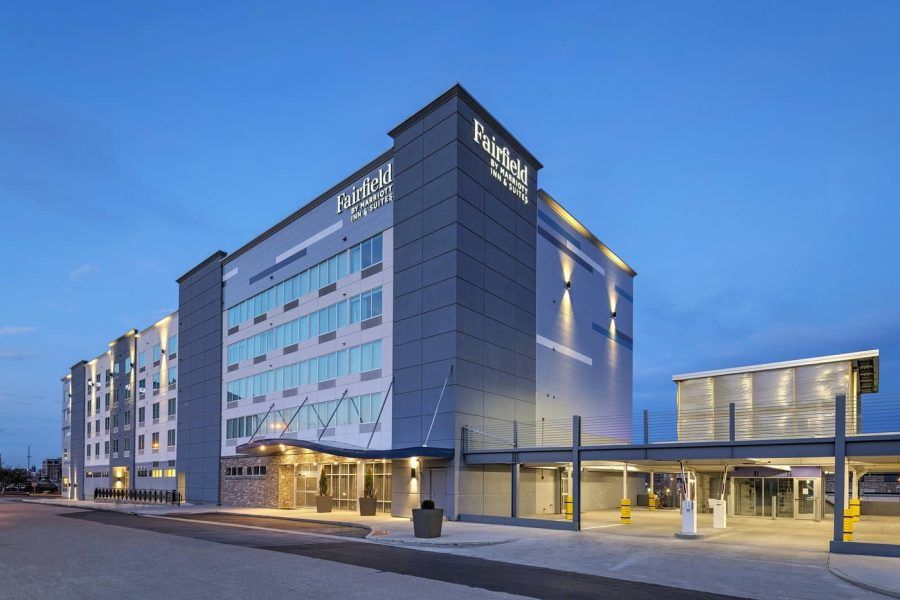
Nebraska’s downtown hotels range from large full-service properties to restored historic buildings and contemporary boutique hotels. The right choice depends largely on the character of the city you plan to explore.
Omaha and Lincoln receive most of the attention, but Nebraska has numerous smaller cities where downtown remains an important part of local life.
Places such as Grand Island, Kearney, Fremont, North Platte, and Hastings developed around railroads, agriculture, trade, and transportation. Their downtown districts preserve historic commercial buildings and public spaces that reflect the development of communities across the Great Plains.
These cities can be useful stops for travelers crossing Nebraska by road. A downtown hotel may provide a quieter alternative to accommodation near interstate exits, while still putting guests close to restaurants, local businesses, museums, and community attractions.
Omaha is the strongest choice for travelers seeking restaurants, nightlife, museums, major events, and a larger selection of hotels. The Old Market and surrounding downtown neighborhoods are particularly convenient for first-time visitors.
Lincoln is a natural choice for university visits, state government business, sporting events, and travelers interested in a smaller but active city center. The Haymarket is especially appealing for restaurants and entertainment within walking distance.
Smaller Nebraska cities can make sense for road trips, overnight stops, regional business travel, and travelers who prefer historic downtowns to larger urban areas.
Nebraska is also a state where the journey between destinations matters. Interstate 80 crosses the state from east to west, connecting Omaha and Lincoln with communities farther west. For road-trip travelers, downtown accommodation can turn an overnight stop into an opportunity to see more of the local community.
Nebraska has long occupied a distinctive place in American culture. Its landscape became associated with the Great Plains, westward movement, agriculture, railroads, and the changing relationship between small communities and larger cities.
One of the state’s most recognizable cultural figures is writer Willa Cather, whose novels drew heavily on the people and landscapes of Nebraska. Her work helped give the state’s plains and small communities a lasting place in American literature.
Nebraska has also appeared frequently in American film and television, often as a setting representing the openness and scale of the Great Plains. The state’s landscapes have been used to portray both isolation and possibility — two ideas that have shaped popular perceptions of the American Midwest.
Today, however, Nebraska’s cities present a more contemporary picture. Omaha has a growing cultural and culinary scene, while Lincoln combines university life with the institutions of a state capital. Smaller communities continue to preserve historic downtowns that provide a direct connection with the state’s past.
For travelers, that contrast is part of Nebraska’s appeal. A downtown hotel can place you within a few blocks of modern restaurants and entertainment while historic buildings, rail lines, public squares, and older commercial streets reveal how these cities developed.
Heading south from Nebraska? Explore downtown hotels in Missouri, including St. Louis, Kansas City and Columbia.