
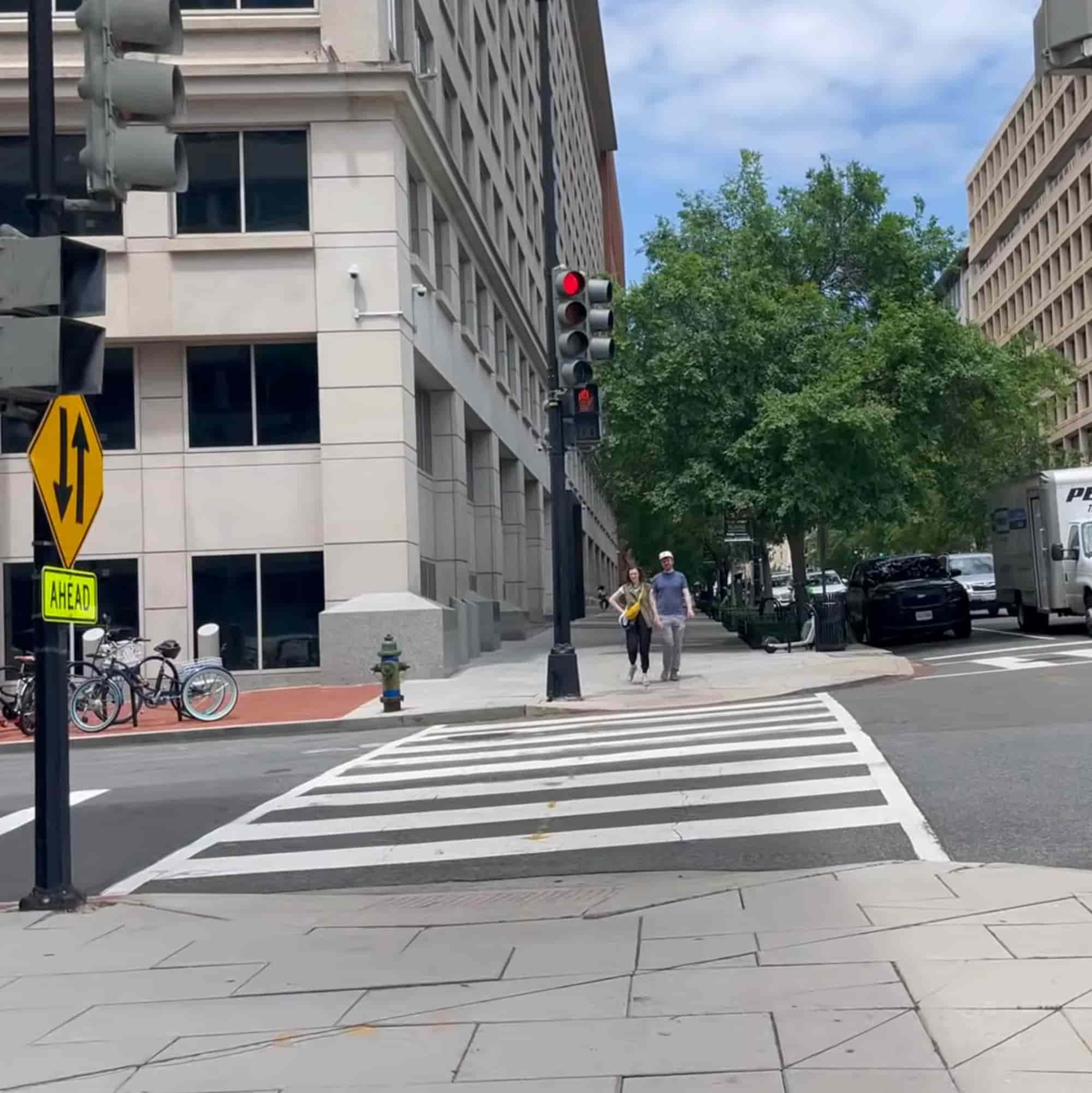

Across the United States, downtown areas are going through a quiet transformation. A recent study by the Gensler Research Institute shows that while most residents still describe their city centers in positive terms, far fewer actually spend significant time there. The gap between how people feel about downtown and how they use it is becoming more visible in cities across the country.
In many cases, downtown is no longer a place where people naturally linger. Instead, it has become a destination for specific purposes — work, appointments, events — after which people leave quickly. Urban researchers describe this as a lack of “stickiness,” meaning downtowns are not yet strong enough to keep visitors engaged beyond their original reason for coming.
The difference becomes obvious when comparing cities.
In Boston, for example, downtown and nearby areas like the Seaport District and Back Bay form a dense urban environment where movement feels natural and continuous. People arrive for one reason but often stay longer than planned, walking along the waterfront, having dinner, or continuing into the evening. The city’s compact layout and strong transit connections make it easy for downtown to function as an extension of daily life rather than a separate destination.
Dallas offers a very different picture. Downtown Dallas is physically close to districts like the Arts District and Deep Ellum, but the experience changes sharply depending on the time of day and exact location. During working hours, the area is active and business-oriented, but after office hours much of the core becomes quiet. Visitors staying in downtown hotels often discover that evening life requires additional transportation, especially since walking between districts is not always practical, particularly during hot weather.
Chicago sits somewhere in between. The Loop is heavily office-driven, but areas along the Riverwalk and near Millennium Park keep the city center active well into the evening. Many visitors staying in downtown hotels find that their plans naturally extend beyond daytime sightseeing, as restaurants, waterfront paths, and cultural spaces remain accessible after sunset. The downtown does not feel completely continuous, but it still encourages people to stay longer than expected.
New York City represents one of the strongest examples of a truly “sticky” downtown system. Lower Manhattan, including neighborhoods like SoHo, Tribeca, and the Financial District, operates as a mixed-use environment where business, tourism, and residential life overlap. The city does not follow a strict day-to-night separation. Streets remain active, transportation runs constantly, and dining and cultural life continue late into the night. As a result, staying downtown in New York often means staying inside the rhythm of the city itself.
San Francisco presents a more complex case. The Financial District remains largely office-focused, and although nearby areas like SoMa and Union Square provide hotel and leisure options, the post-pandemic shift in work patterns has changed the energy of downtown. Weekdays still carry a structured rhythm, but evenings can feel significantly quieter. For visitors, even small changes in hotel location can shape the entire experience of the city center.
Urban researchers often describe downtown visitors in terms of behavior rather than demographics. Some come only when necessary, others for quick errands, some for specific events, and a smaller group actually chooses downtown as a place to spend time. In most American cities, the first two categories still dominate. That means downtowns are often efficient, but not always engaging.
What separates more successful downtowns from quieter ones is not just architecture or density, but the combination of everyday activity, safety, lighting, walkability, and the presence of reasons to stay after the initial purpose of the visit has been fulfilled. When these elements come together, downtown stops being a place people pass through and becomes a place where they remain.
For travelers choosing a hotel, this distinction matters more than it might seem. In cities like New York or Chicago, staying downtown often means being inside the active core of the city at all hours. In places like Dallas or Houston, it may mean being close to business centers but not necessarily close to evening life. In cities like Boston or San Francisco, even a few blocks can significantly change the rhythm of the stay.
Downtown America today is no longer a single concept. Some city centers are evolving into full-day neighborhoods where people naturally live, walk, and socialize. Others still function primarily as daytime districts that quiet down once office lights turn off. Understanding that difference is increasingly important for anyone choosing where to stay in a city.
Because in modern urban America, downtown is no longer just a location. It is an experience defined by how long it can hold your attention once you arrive.
Downtown Hotels
Photo: YouTube printscreen
0 Comment