
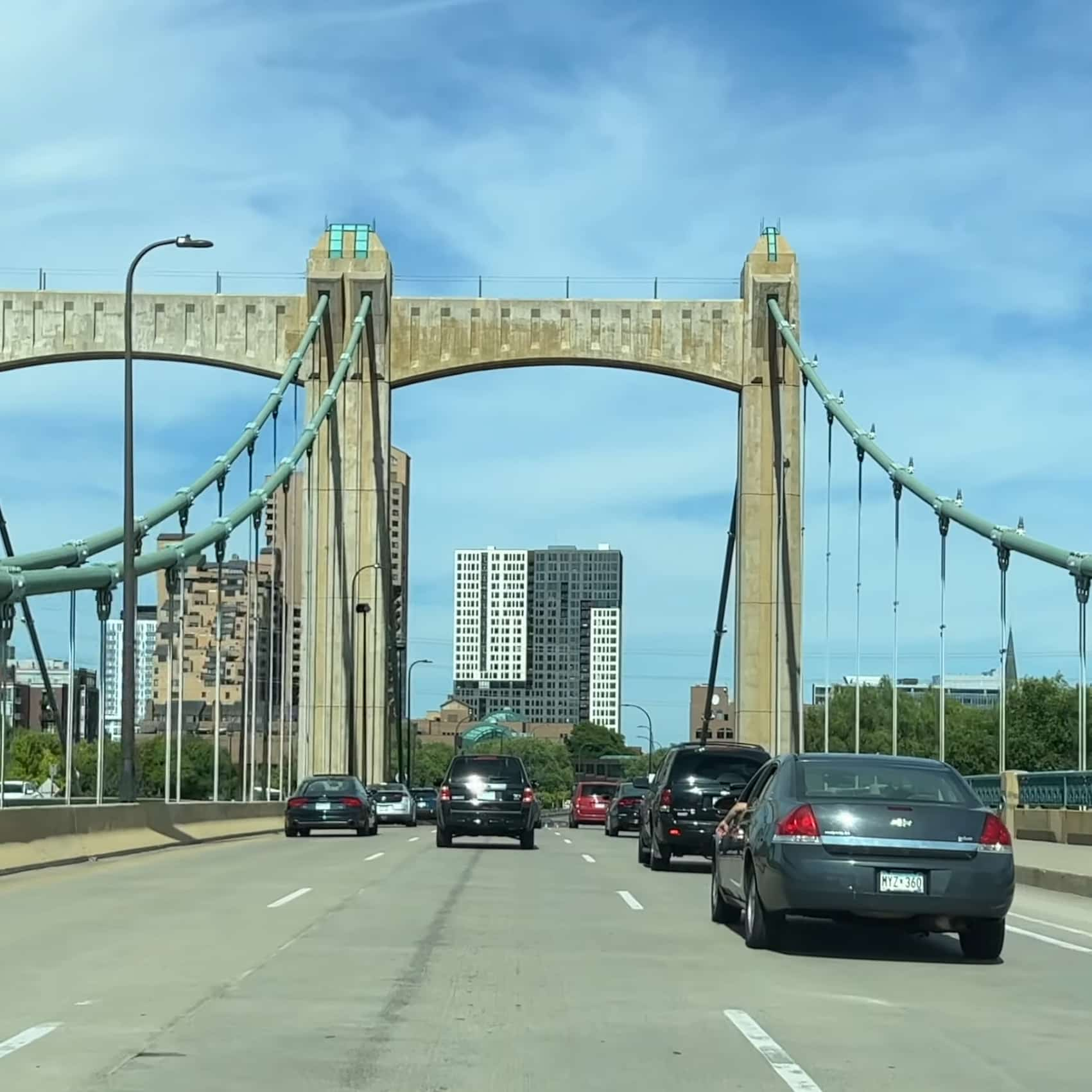

Downtown Minneapolis is not one uniform hotel district. Its central business area, the North Loop, the Warehouse District and the Mississippi riverfront each offer a different setting, and the best location depends on what brings you to the city. A hotel near Nicollet Mall puts you close to the commercial center, while a property in the North Loop offers easier access to restaurants, bars and Target Field. Further east, Downtown East and the Mill District are convenient for visitors interested in U.S. Bank Stadium and the riverfront.
These areas are close enough to explore during the same visit, but their locations matter when choosing where to stay. The following guide looks at the main downtown districts, the streets that connect them and the practical differences between their hotel locations.
Understanding the Five Main Areas Around Downtown Minneapolis
The downtown area is commonly described through five distinct neighborhoods: the Central Business and Theater District, North Loop and Warehouse District, Downtown East and Elliot Park, Mill City River District, and Loring Park. Each has a different relationship to the city’s main attractions, business destinations and transportation routes.
| Area | What defines it | A practical choice for |
|---|---|---|
| Central Business & Theater District | Office towers, Nicollet Mall, shopping and theaters | First-time visitors and business travelers |
| North Loop & Warehouse District | Restaurants, converted warehouses and entertainment | Dining, nightlife and baseball |
| Downtown East & Elliot Park | U.S. Bank Stadium, newer development and event venues | Sports and concert visitors |
| Mill City River District | Historic industrial buildings, museums and riverfront | Sightseeing and cultural visits |
| Loring Park | Green space, residential streets and cultural attractions | Visitors seeking a quieter setting |
The boundaries between these areas are not always obvious, particularly around the edges of the central business district. When comparing hotels, the street address and walking route are often more useful than the neighborhood label alone.
Central Business & Theater District: The Most Central Hotel Location
The Central Business and Theater District is the most conventional choice for a downtown stay. It includes the main office core, Nicollet Mall, several major hotels, shopping areas and some of Minneapolis’s best-known performance venues.
Nicollet Mall is the district’s main pedestrian corridor. It runs through the center of downtown, with restaurants, shops, public spaces and office buildings along its route. The IDS Center, one of the city’s most recognizable skyscrapers, is a useful landmark when navigating this part of Minneapolis.
Hennepin Avenue, a few blocks west, has a different character. It is closely associated with the theater district, including the Orpheum, State and Pantages theaters. Visitors attending a performance or looking for evening entertainment may find this stretch more convenient than the office-centered blocks around Marquette Avenue.
The southern end of the central business district is also relevant to business travelers. The Minneapolis Convention Center is located at 1301 Second Avenue South, making hotels in this part of downtown worth considering for conferences and meetings.
Who should stay here?
The central business and theater area is a practical starting point for first-time visitors, business travelers and anyone who wants to reach several downtown destinations without choosing a hotel in a more specialized neighborhood.
What to consider: A central address does not guarantee that every major attraction is within a short walk. Check the distance to your actual destination, especially if your visit revolves around a conference, a game or a particular event.
North Loop & Warehouse District: Restaurants, Nightlife and Target Field
The North Loop occupies the northwestern part of downtown Minneapolis. Its former warehouses, converted industrial buildings, restaurants, bars and independent shops give it a different atmosphere from the central business district.
Washington Avenue is one of the area’s main reference points. Its western stretch runs through the North Loop and connects several of the neighborhood’s dining and entertainment destinations. First Avenue is another useful landmark, particularly for visitors interested in live music and the city’s nightlife.
Sports fans should pay particular attention to this area. Target Field, home of the Minnesota Twins, is located in the North Loop and is one of the neighborhood’s main attractions. Target Center, home of the Minnesota Timberwolves and Minnesota Lynx, is also in the wider downtown entertainment district, although its location is closer to the central area.
The North Loop is a particularly appealing option for travelers who want restaurants and bars within walking distance of their hotel. It also provides a useful base for exploring the northern part of downtown.
Who should stay here?
Consider the North Loop if dining, nightlife, live music and a neighborhood atmosphere are important parts of your trip. It is also a strong location to compare if you are visiting Minneapolis for a Minnesota Twins game.
What to consider: The North Loop is not interchangeable with the central business district. A hotel here may be less convenient for the Minneapolis Convention Center or meetings around Nicollet Mall. Compare the actual route before booking.
Downtown East & Elliot Park: Convenient for U.S. Bank Stadium
Downtown East lies on the eastern side of the central business district, extending toward the Mississippi River and U.S. Bank Stadium. It is one of the most relevant areas for visitors coming to Minneapolis for major sporting events and concerts.
U.S. Bank Stadium is home to the Minnesota Vikings and hosts a range of large events throughout the year. On event days, the surrounding streets become busier, and hotels within walking distance can be particularly convenient.
The area also provides access to The Commons, a public green space, and the eastern side of the downtown street network. Portland Avenue and Washington Avenue are useful reference points when navigating this part of the city.
Elliot Park extends farther south and offers a somewhat different setting from the stadium blocks. It is worth checking the precise location of a hotel rather than assuming that every property described as Downtown East is equally close to the main event venues.
Who should stay here?
Downtown East is worth considering for visitors attending a Vikings game, a concert at U.S. Bank Stadium or another event in the eastern downtown area.
What to consider: Event schedules can affect hotel prices and availability. If you are visiting during a major game or concert, compare rates and walking distances well in advance.
Mill City River District: Hotels Near the Mississippi Riverfront
The Mill City River District offers a different perspective on Minneapolis. Instead of office towers and shopping streets, this part of downtown is defined by historic industrial buildings, cultural institutions and its connection to the Mississippi River.
Mill City Museum occupies the site of the former Washburn A Mill and explains the city’s history as a major center of flour milling. Nearby, the Guthrie Theater is one of Minneapolis’s most distinctive cultural landmarks. Gold Medal Park provides an open green space between the city streets and the riverfront.
Second Street South is a useful reference when exploring this area. It connects several of the district’s attractions and provides access to the riverfront surroundings.
For visitors who enjoy walking, architecture and local history, the Mill District can be one of the most rewarding parts of downtown. It also offers a different setting from the busier commercial streets around Nicollet Mall.
Who should stay here?
This area is a good option to compare if you want to visit Mill City Museum, the Guthrie Theater and the Mississippi riverfront, or prefer a hotel location away from the busiest office blocks.
What to consider: The riverfront location may be less convenient for visitors whose main destination is Target Field, the North Loop or the Convention Center. Check the walking distance to the places on your itinerary before choosing a hotel.
Loring Park: A Greener Setting Near Downtown
Loring Park sits southwest of the central business district. Although it is close to downtown, its atmosphere is more residential and less dominated by office buildings.
The neighborhood takes its name from Loring Park, a green space that provides a break from the surrounding urban streets. The nearby Walker Art Center and Minneapolis Sculpture Garden are major attractions for visitors interested in contemporary art and public sculpture.
Hotels in this area can be worth considering if you prefer a location with access to parks and cultural attractions rather than staying directly in the commercial center.
Who should stay here?
Loring Park may suit visitors interested in art, green spaces and a somewhat quieter urban setting. It is also worth comparing for longer visits when proximity to the busiest downtown streets is not the main priority.
What to consider: The neighborhood is southwest of the central business district. Depending on the hotel’s exact address, reaching Nicollet Mall, the North Loop or U.S. Bank Stadium may require a longer walk.
The Downtown Minneapolis Streets Worth Knowing
Understanding a few major streets makes hotel locations easier to compare. These are useful reference points when looking at a map or checking the address of a property.
Nicollet Mall is the central pedestrian and shopping corridor. It runs through the commercial heart of downtown and provides access to restaurants, shops and major office buildings.
Hennepin Avenue connects the central area with the theater and entertainment district. It is particularly relevant for visitors attending performances or exploring downtown nightlife.
Washington Avenue is an important east-west route, connecting parts of the central area with the North Loop and Downtown East. Its western section is especially associated with the North Loop’s restaurants and converted warehouse buildings.
Marquette Avenue runs through the central business district and is a useful reference for hotels near downtown offices and commercial buildings.
Second Avenue South is relevant to visitors heading toward the Minneapolis Convention Center and the southern part of downtown.
Portland Avenue helps orient visitors moving through Downtown East and toward the riverfront.
These streets are useful not only for navigation but also for understanding why two hotels with similar downtown descriptions may offer quite different surroundings.
Walking Distances: How Close Are Downtown Minneapolis Attractions?
Downtown Minneapolis is walkable, but the distance between a hotel and a particular destination can make a difference to your stay. Rather than relying on broad neighborhood descriptions, it helps to compare actual walking routes.
The Minneapolis Convention Center provides a useful reference point for visitors attending conferences or business events. According to the city’s official visitor wayfinding information, approximate walking distances from the Convention Center include:
| Destination | Approximate walking time | Distance |
|---|---|---|
| Hennepin Avenue Theater District | 13 minutes | 0.6 miles |
| Target Center and Target Field area | 18 minutes | 0.8 miles |
| North Loop | 26 minutes | 1.1 miles |
| Stone Arch Bridge and Mississippi Riverfront | 28 minutes | 1.2 miles |
These figures are reference estimates from the Convention Center, not walking times from every downtown hotel. Your route may be shorter or longer depending on the hotel’s entrance, the destination and the route you choose.
For example, someone attending a conference may prefer accommodation close to the Convention Center, while a visitor attending a Twins game may find the North Loop more convenient. Choosing a hotel based on the actual destination is often more useful than simply searching for a property described as downtown.
The Minneapolis Skyway: An Important Advantage in Winter
One feature that distinguishes downtown Minneapolis from many other American city centers is its Skyway system. These enclosed pedestrian bridges connect buildings at the second-floor level, allowing visitors to move between parts of the central business district without walking outdoors.
The network extends for approximately 9.5 miles across around 80 city blocks. It connects many office buildings, shops, restaurants and other destinations, making it particularly useful during the cold winter months.
However, not every hotel or attraction is connected to the Skyway. Access and opening hours can also vary between buildings. Visitors should check the official downtown Skyway map before assuming that an indoor route is available between their hotel and destination.
If you are visiting Minneapolis in winter, a hotel with convenient Skyway access can make a noticeable difference. For a summer visit, however, walking at street level is often the better way to experience the city’s different neighborhoods.
Which Downtown Minneapolis Area Is Best for Your Visit?
There is no single best location for every traveler. The right choice depends on your schedule, preferred surroundings and the places you expect to visit.
| If your priority is… | Start by comparing hotels in… |
|---|---|
| A first visit to Minneapolis | Central Business & Theater District |
| Business meetings or a conference | Central Business District, near the Convention Center |
| Restaurants, bars and nightlife | North Loop & Warehouse District |
| A Minnesota Twins game | North Loop |
| A Minnesota Vikings game | Downtown East |
| Museums and the Mississippi riverfront | Mill City River District |
| Art, parks and a less commercial setting | Loring Park |
Before booking, consider three practical details:
- The exact hotel address: Neighborhood names cover a wider area than a single street or block.
- Your main destination: A convenient hotel for the Convention Center may not be the best choice for Target Field or U.S. Bank Stadium.
- The season: In winter, Skyway access and the distance you need to walk outdoors can be important considerations.
Find a Downtown Minneapolis Hotel in the Right Location
Once you understand the differences between the central business district, North Loop, Downtown East, the Mill District and Loring Park, comparing accommodation becomes much easier.
Start with the places you plan to visit, identify the most convenient streets and then compare hotels based on their actual addresses, rates and amenities. A well-located hotel can save time throughout your trip, whether you are in Minneapolis for business, a sporting event, a concert or a weekend exploring the city.
Explore our Downtown Minneapolis hotels to compare available accommodation and find a location that fits your plans.
Dowtnwown Hotels
Photo: YouTube printscreen
0 Comment