
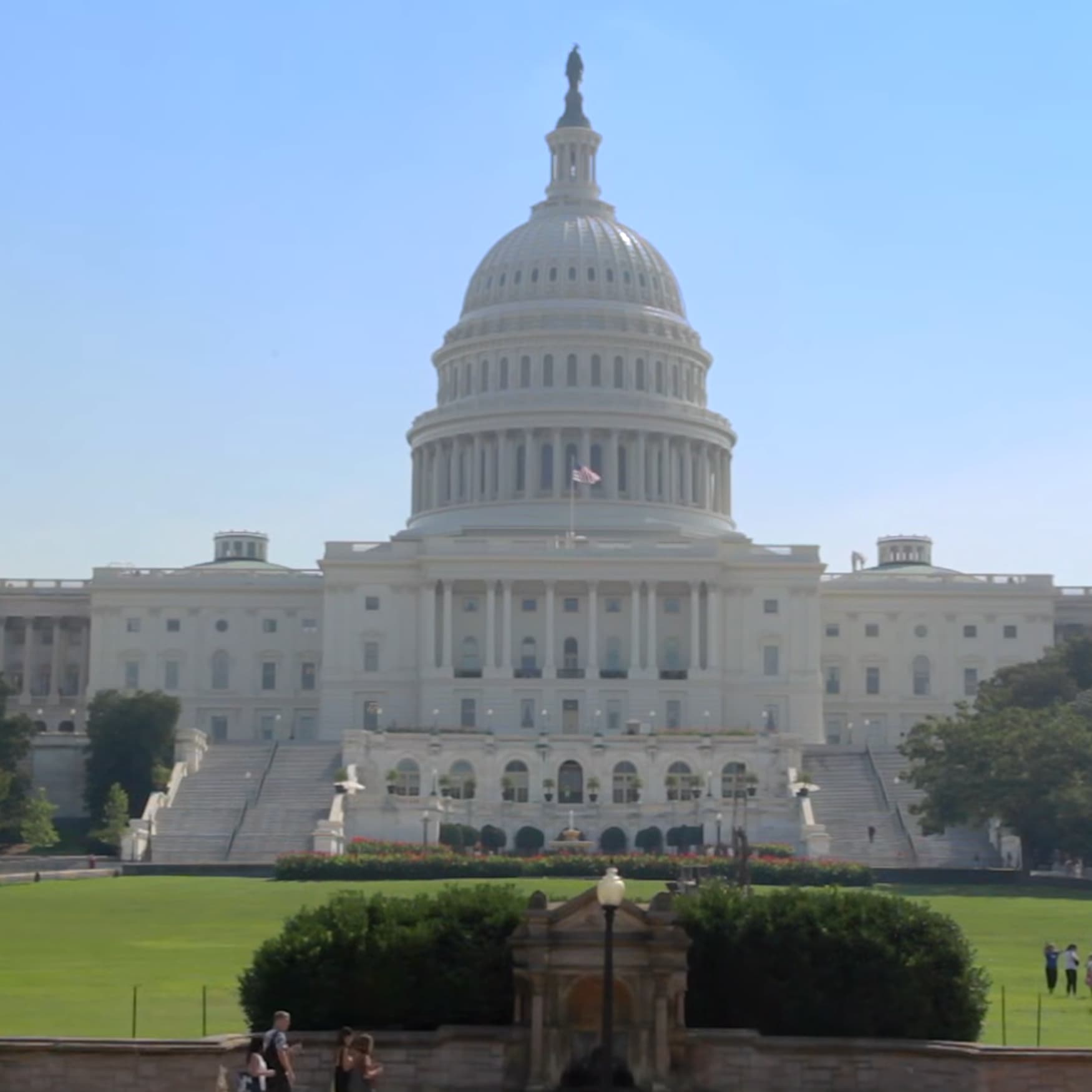

Downtown Washington, DC, offers far more than the White House and the famous monuments. From fascinating museums and historic streets to stylish restaurants, modern shopping districts, and walkable neighborhoods, the city center is an ideal base for discovering a more local side of the American capital.
A Different Side of America’s Capital
Downtown Washington, DC, is often treated as a starting point for visiting the White House, the Capitol, and the monuments along the National Mall. But spend a little more time in the city center and a different Washington begins to emerge: one shaped by art, independent cultural institutions, elegant public spaces, busy restaurants, and the everyday routines of a city that happens to be the seat of the American government.
The appeal of downtown is its variety. Within a relatively compact area, visitors can explore a world-class art collection, discover a museum dedicated to women’s achievements, browse contemporary shops, enjoy dinner in a lively neighborhood, and walk past buildings that have witnessed important moments in American history. Many of these experiences are close enough to combine without spending half the day in transit.
For travelers choosing where to stay, this concentration of attractions makes downtown Washington, DC, a practical base for exploring the capital.
The Museums That Deserve More Than a Quick Visit
Washington is famous for its museums, but visitors often concentrate on the Smithsonian institutions along the National Mall. Downtown offers several cultural stops that are easy to overlook when planning a first trip.
The National Museum of Women in the Arts explores the contributions women have made to art across different periods and movements. Its collection provides a different perspective on art history, making it a worthwhile stop for visitors who want to go beyond the capital’s most familiar attractions.
At Planet Word, language takes center stage. Housed in the historic Franklin School, the museum explores how people speak, write, learn, and communicate. Its interactive approach makes it a particularly appealing choice for families and travelers looking for something different from a traditional gallery.
Art lovers can also visit the Renwick Gallery, near the White House, where American craft and decorative arts take the spotlight. Its exhibitions offer a striking contrast to the monumental architecture and formal political institutions associated with Washington.
These places illustrate an important advantage of downtown: some of the city’s most interesting experiences are not necessarily its largest or most famous landmarks.
A City Center Built for Walking
Downtown Washington works particularly well on foot. The streets connect museums, restaurants, hotels, shops, and public spaces, making it possible to turn a day of sightseeing into a sequence of short walks rather than a complicated travel schedule.
The White House is one of the defining landmarks of the area, while nearby Farragut Square offers a pause from the surrounding office buildings. Farther east, Penn Quarter adds theaters, restaurants, galleries, and access to major cultural attractions. The precise boundaries between downtown and neighboring districts can vary, but for visitors, the areas naturally fit together into one walkable central destination.
CityCenterDC provides a more contemporary side of the city. This mixed-use development combines high-end shopping, dining, and modern architecture in a setting that feels quite different from the traditional government buildings nearby. Even visitors who have no plans to shop can enjoy the contrast between the development’s polished design and Washington’s older streets.
A useful way to explore is to start the morning with a museum, spend the afternoon walking between central landmarks, and leave the evening open for dinner or a performance. With so much close together, there is less pressure to plan every hour.
Where Washington’s Political Image Meets Everyday Life
Washington is inseparable from politics, but downtown is not simply a stage set for government. During the working week, office workers fill cafés and lunch spots, business travelers move between meetings, and residents meet friends after work. The rhythm changes throughout the day and across the week.
This contrast is part of what makes the neighborhood interesting. A visitor can spend the morning thinking about presidential history and national institutions, then sit down for an ordinary lunch on a busy city block. A few streets later, a gallery or historic building offers another reminder that Washington’s cultural life extends well beyond the headlines.
The city’s architecture reinforces this mix. Monumental federal buildings and formal avenues sit alongside commercial streets, hotels, restaurants, and modern developments. The result is a city center that feels both important and surprisingly approachable once visitors begin exploring beyond the main tourist routes.
Where to Eat, Shop, and Spend the Evening
Downtown Washington is a convenient place to build an evening around food and entertainment. Restaurants range from polished dining rooms suited to a special occasion to casual spots where visitors can stop between attractions. Penn Quarter, immediately adjacent to downtown, expands the choice with restaurants, theaters, and venues that draw crowds after work and on event nights.
For shopping, CityCenterDC offers designer brands and an upscale setting. Visitors looking for a more varied retail experience can combine it with a walk through neighboring streets rather than dedicating an entire day to shopping.
The best evening plan depends on the kind of trip you want. A theater performance or a leisurely dinner can make a good end to a museum-heavy day, while travelers who prefer a quieter schedule may enjoy an early meal followed by a walk through the central streets.
One practical consideration is the difference between weekdays and weekends. Downtown’s office areas can feel much busier during business hours, while the atmosphere varies by block and can become quieter after offices close. Areas with restaurants, cultural venues, and events generally offer more reasons to stay out in the evening.
Is Downtown Washington, DC, a Good Place to Stay?
For many first-time visitors, downtown is one of the most convenient places to book a hotel. The location provides access to the White House area, cultural attractions, restaurants, shopping, and several Metro connections. Depending on the exact address, some sights can be reached on foot, while others are an easy trip by public transportation.
Choosing a hotel in downtown Washington, DC, can also make it easier to return to your room during the day, leave shopping bags behind, or take a break between sightseeing stops. That flexibility can be especially useful on a short visit when time is limited.
However, location matters more than the neighborhood label alone. Before booking, check the hotel’s walking distance to a Metro station and consider which attractions you plan to visit most. A property near Metro Center, for example, may be convenient for reaching different parts of the city, while a hotel closer to the National Mall may suit travelers focused mainly on monuments and museums.
Downtown is not the only possible base. Georgetown offers historic streets and a distinct neighborhood atmosphere, while Dupont Circle has a strong restaurant and café scene. But for visitors who want a central starting point and a mix of sightseeing, dining, and shopping, downtown remains a strong option.
How to Make the Most of a Short Visit
A little planning can help visitors experience more than the familiar landmarks.
Start early. Visit a museum or major attraction in the morning, before the day becomes crowded. Check opening hours and admission arrangements in advance, especially for places that require timed entry.
Explore between destinations. Rather than moving directly from one attraction to the next, allow time to notice the streets, architecture, public spaces, and smaller businesses along the way.
Use the Metro strategically. Downtown is walkable, but Washington’s attractions extend across several neighborhoods. Public transportation can save time when visiting places farther from the city center.
Leave room for an unplanned stop. A gallery, café, bookstore, or restaurant discovered along the way can become one of the most memorable parts of a trip. A tightly packed itinerary does not always leave space for those experiences.
Choose your hotel around your plans. Compare the location, Metro access, and total cost of a room rather than judging a hotel by its nightly rate alone.
The Best Reason to Explore Downtown
The strongest argument for downtown Washington, DC, is not that it replaces the city’s famous monuments. It is that it adds another dimension to them.
The capital’s major landmarks explain the country’s political history, while its museums, restaurants, shops, and streets reveal how the city functions beyond the ceremonial image seen in photographs. Downtown brings those sides together in a way that is particularly convenient for visitors who want to experience several aspects of Washington without constantly crossing the city.
Whether you are planning a short sightseeing trip, traveling for business, or looking for a central hotel from which to explore the capital, downtown offers a useful combination of location, culture, and everyday city life. The monuments may draw you to Washington, but the city center gives you plenty of reasons to stay curious after you have seen them.
Downtown Hotels
Photo: YouTube printscreen
0 Comment