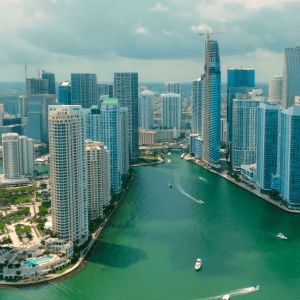
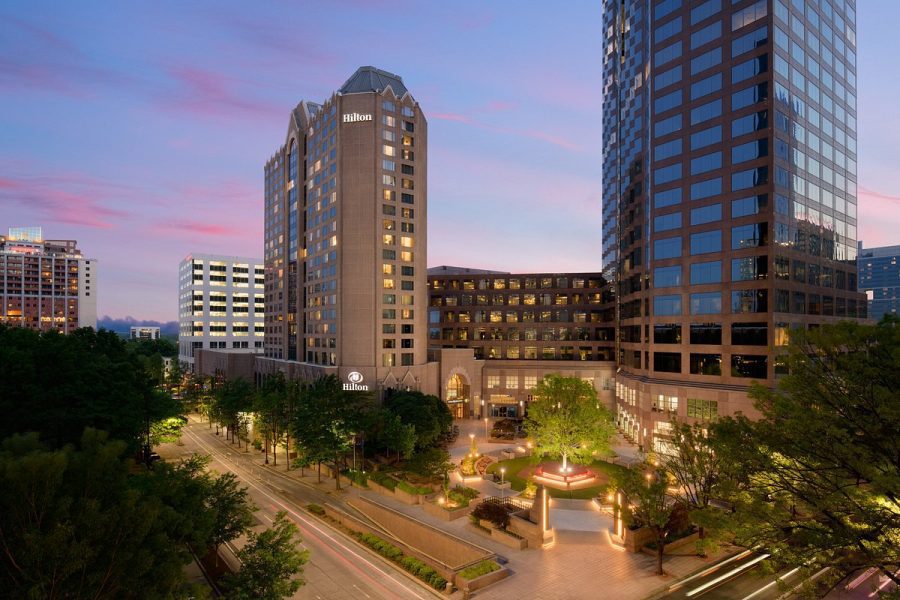
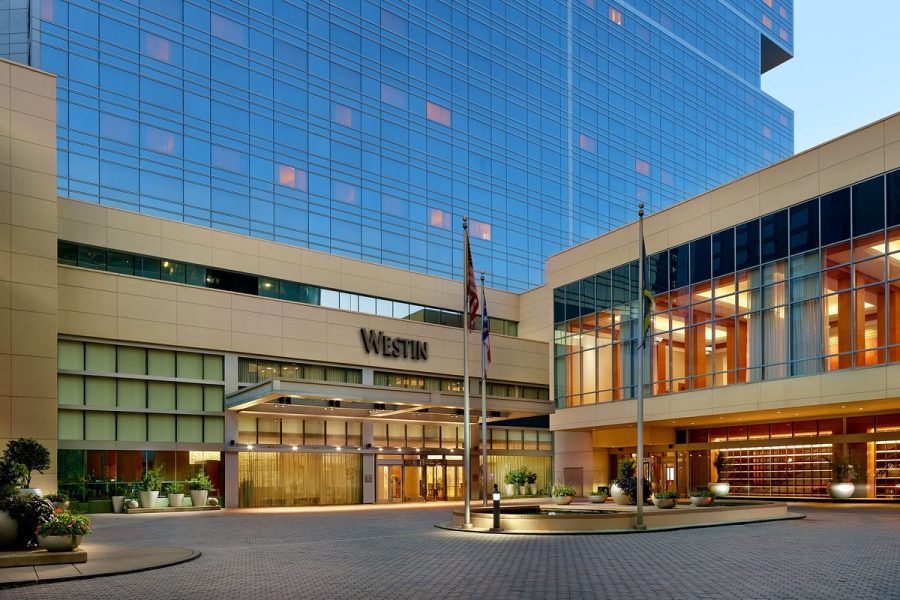
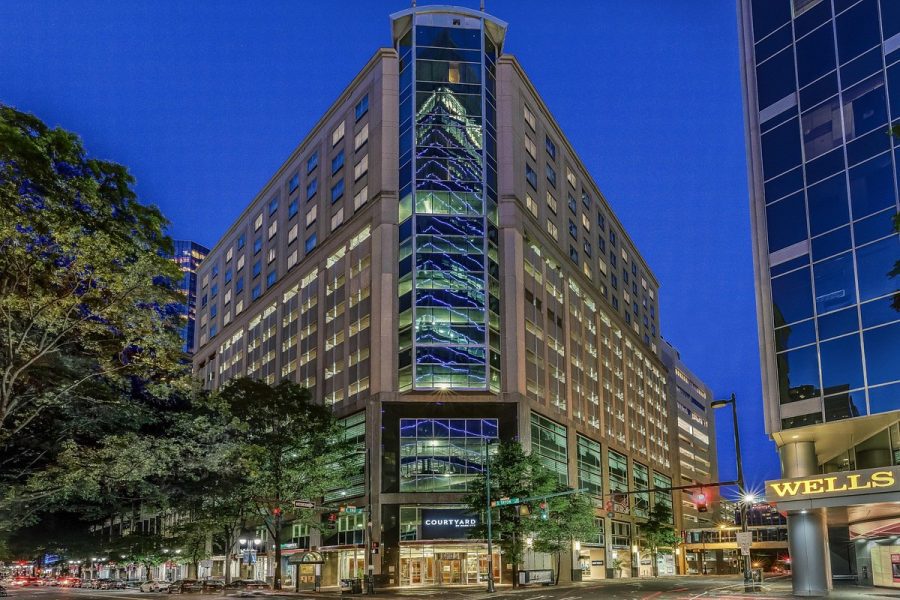
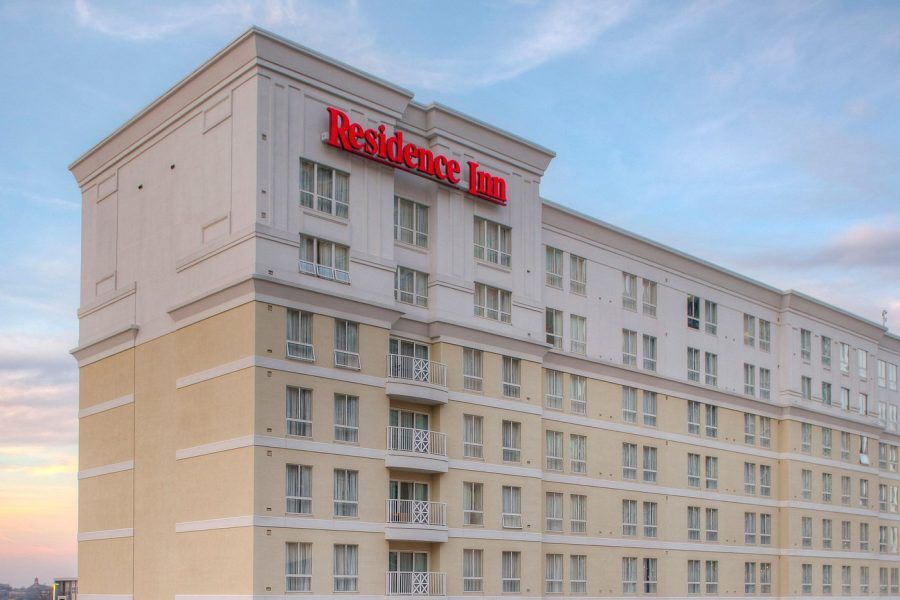
Charlotte’s downtown, known locally as Uptown, feels compact and modern, with banking towers and wide streets shaping a clean business-focused skyline. Just a few blocks away, South End has a completely different rhythm, with converted warehouses, breweries, and a more creative street life. Romare Bearden Park and the Spectrum Center sit right in the middle of it all, adding green space and event energy to the urban core. Staying in Uptown keeps you close to both the financial district and the city’s newer social and dining areas, all within a short walk.
Charlotte doesn’t overwhelm visitors with a single dominant center in the way larger U.S. cities do. Instead, it is shaped around Uptown as its core, with surrounding districts offering very different experiences depending on how you want to travel, move, and stay.
When choosing hotels in Charlotte, the difference between staying in Uptown and outside it is not just distance — it is about how structured or spread out your entire trip will feel.
Uptown is where most first-time visitors naturally end up staying. It is the city’s business and cultural core, but unlike denser downtown areas in larger cities, it feels compact and easy to navigate.
Sports arenas, museums, corporate towers, and dining are all within a short walking radius. For short stays or event-focused trips, this is the most efficient base.
South End sits just outside Uptown but feels like a different layer of the city. It is defined by converted industrial spaces, light rail access, and a more informal street atmosphere.
This is where Charlotte’s newer identity is most visible — less corporate, more social, with cafés, breweries, and open public spaces shaping daily movement.
These residential neighborhoods offer a different pace entirely. Streets are quieter, tree-lined, and less dense, but still close enough to reach Uptown quickly.
They work best for travelers who want proximity without being inside the busiest zone of the city.
In Charlotte, hotel choice is less about landmarks and more about structure.
Uptown offers efficiency and access, while surrounding neighborhoods create contrast — from modern social districts to quieter residential areas. Understanding this balance is what makes choosing a location in Charlotte less about sightseeing, and more about how the city will function during your stay.
Choosing a hotel in Charlotte is less about sightseeing zones and more about how you want the city to function during your stay. The difference between Uptown and surrounding neighborhoods can change the entire rhythm of your trip.

Uptown is the most practical starting point for anyone visiting Charlotte for the first time. It concentrates the main business district, arenas, museums, and dining options within a compact, walkable area. Staying here removes the need for long daily travel across the city.
If you’re coming for a game, concert, or conference, the best strategy is to stay within Uptown itself or just on its edges. Most major venues are clustered here, which means your hotel choice directly affects how easily you move before and after events.
Areas surrounding Uptown, such as South End and nearby residential districts, offer a different type of stay. They are more relaxed, with local cafés, breweries, and wider streets, while still being close enough to reach the center quickly when needed.
For work-focused visits, Uptown remains the most efficient base. Corporate offices, transport connections, and meeting points are concentrated here, making it easier to keep the schedule simple and predictable.
In Charlotte, distances are short, but experiences are very different depending on where you stay. Uptown, South End, and nearby neighborhoods are not just geographic labels — they define how structured, active, or relaxed your trip will feel.
That’s why choosing a hotel in Charlotte is less about the property itself, and more about positioning yourself in the right part of the city from the start.
Choosing where to stay in Charlotte is less about distance and more about atmosphere. Uptown and South End are only a few minutes apart, but they feel like two completely different cities once you are there.
Uptown is the structured core of the city — where office towers, arenas, museums, and major hotels are concentrated in a tight grid.
Staying in an Uptown hotel means your day is naturally organized around short walks. You step outside and you are already close to the Spectrum Center, corporate buildings, and main dining streets.
It is efficient, predictable, and best suited for visitors who want everything within a compact downtown environment without needing to think too much about transportation.
South End feels more informal and creative compared to Uptown’s business rhythm. It developed along the light rail line and has a more open, industrial-to-modern character.
Hotels here are surrounded by breweries, small restaurants, street art, and converted warehouse spaces. The pace is slower in the morning, but more social in the evenings.
It is a good fit for travelers who want a “lived-in” city experience rather than staying inside the main downtown core.
Choose Uptown if you want to stay in the true downtown Charlotte hotel zone, where everything is centralized and walkable.
Choose South End if you prefer a more relaxed neighborhood feel with easy access to Uptown but less structure around you.
Most downtown Charlotte hotels are located in or around Uptown, which remains the most practical base for first-time visitors. From there, it is easy to explore South End and other nearby districts without committing to a car-heavy stay.